Automotive Processor Requirements for AI Powered Camera Systems

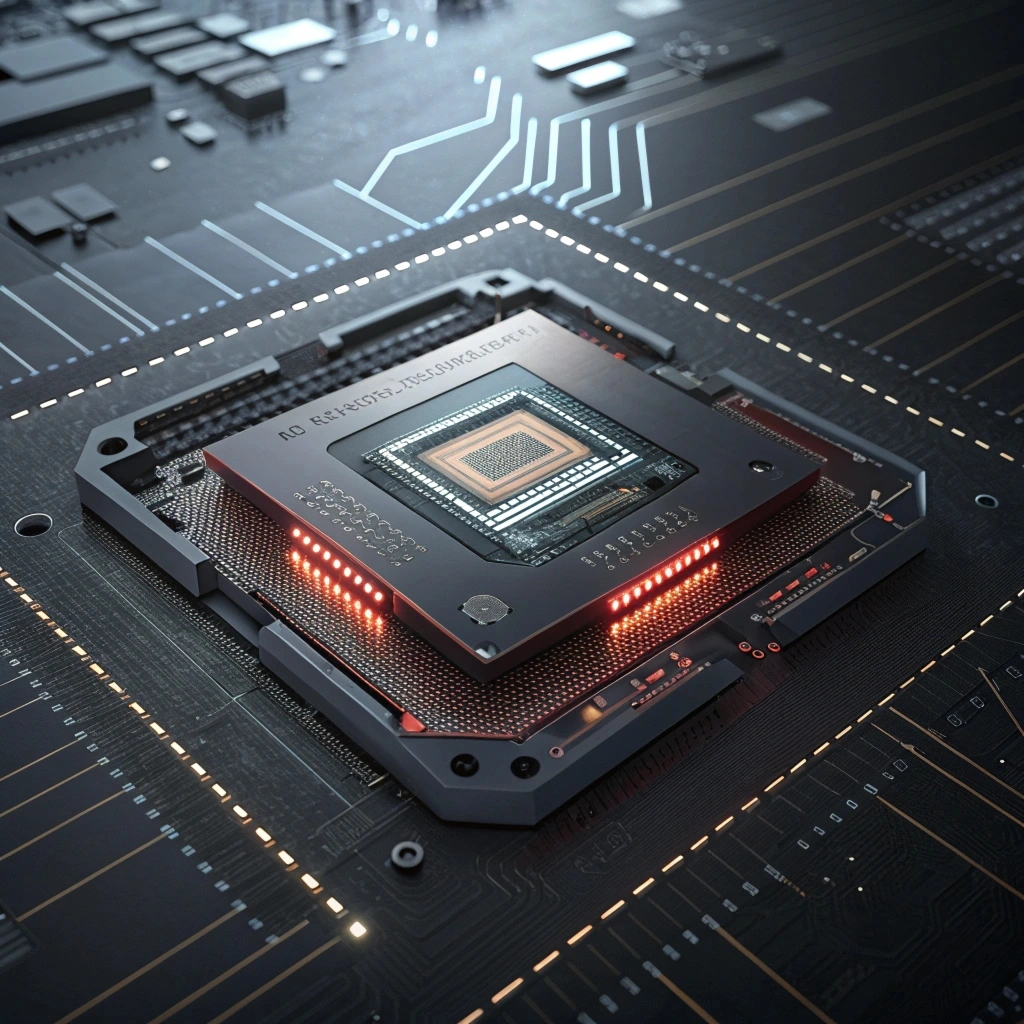
Automotive Processor Requirements for AI Powered Camera Systems
Have you ever wondered how modern vehicles "see" the road ahead? At the heart of this technology lies the automotive processor 🔗, a specialized chip designed to handle the complex demands of vehicle systems. In this article, we'll dive into the essential requirements for automotive processors in AI powered camera systems, exploring how these components enable safer, smarter driving experiences.
AI powered camera systems are revolutionizing the automotive industry by providing real-time object detection, lane keeping, and pedestrian recognition. However, integrating these systems requires automotive processors that can process vast amounts of data efficiently while meeting stringent safety standards. Key issues in this domain include:
- Performance Demands: Balancing high-speed processing with low latency to ensure quick responses in dynamic driving environments.
- Power Efficiency: Managing energy consumption to extend battery life in electric vehicles without compromising functionality.
- Safety and Reliability: Adhering to automotive-grade certifications like ISO 26262 🔗 to prevent failures in critical situations.
- Scalability: Adapting to evolving AI algorithms and increasing camera resolutions for future-proof designs.
Understanding these requirements is crucial for engineers and manufacturers aiming to build the next generation of intelligent vehicles.
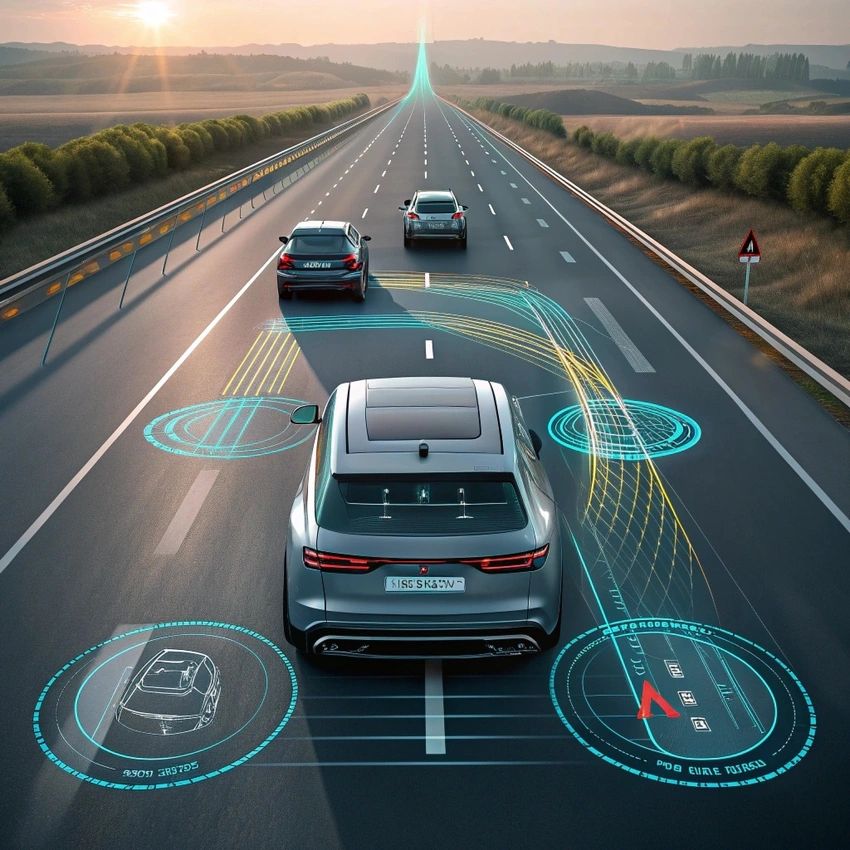
Understanding the Role of Automotive Processors
An automotive processor acts as the brain of a vehicle's electronic systems, particularly in AI powered camera 🔗 setups. These processors must handle image processing from multiple cameras, applying AI algorithms to interpret visual data. Without a robust automotive processor, features like adaptive cruise control or emergency braking would be unreliable.
In essence, the automotive processor translates raw camera feeds into actionable insights. It uses neural networks to identify objects, predict movements, and alert the driver or autonomous system. This integration ensures that AI powered camera systems operate seamlessly, enhancing overall vehicle safety.
As vehicles become more connected, the automotive processor's role expands to include data fusion from sensors like LiDAR and radar. This multifaceted processing demands chips that are not only powerful but also versatile.
Key Performance Requirements for Automotive Processors
When it comes to AI powered camera systems, performance is non-negotiable for an automotive processor. It needs to deliver tera operations per second (TOPS) to process high-definition video streams in real time. Latency below 100 milliseconds is essential to react to sudden road hazards.
Moreover, the automotive processor must support parallel computing architectures like GPUs or NPUs tailored for AI workloads. This allows efficient execution of deep learning models without bottlenecks. Manufacturers prioritize processors that scale with increasing camera counts, from basic dash cams to surround-view systems.
Ultimately, high performance ensures that AI powered camera features, such as traffic sign recognition, function accurately even in adverse weather conditions.
Power Efficiency in Automotive Processor Design
Power efficiency is a critical requirement for automotive processors in battery-constrained environments like electric vehicles. An efficient automotive processor minimizes heat generation and energy use, allowing for compact designs in tight vehicle spaces. This is vital for AI powered camera systems that run continuously during drives.
Innovative techniques, such as dynamic voltage scaling, help automotive processors adjust power based on workload. For instance, during low-activity periods, the processor throttles down to conserve energy. This balance prevents draining the vehicle's power reserves while maintaining responsiveness.
In practice, power-efficient automotive processors extend the range of EVs and reduce cooling needs, making them ideal for sustainable automotive solutions.
Safety Standards and Reliability Features
Safety is paramount in automotive processor requirements, especially for AI powered camera systems that influence driving decisions. Processors must comply with ASIL (Automotive Safety Integrity Level) ratings, often ASIL-B or higher, to mitigate risks. Redundant circuits and error-correcting codes are standard to ensure fault tolerance.
Reliability extends to environmental resilience, with automotive processors built to withstand extreme temperatures, vibrations, and electromagnetic interference. This durability is key for AI powered camera operations in harsh conditions like rain or snow.
By embedding these features, automotive processors help prevent accidents, fostering trust in advanced driver-assistance systems (ADAS).
Integration Challenges with AI Powered Cameras
Integrating automotive processors with AI powered camera systems presents several hurdles. Bandwidth limitations can arise when handling 4K or higher resolution feeds from multiple cameras. The processor must manage data streams without dropping frames, which requires optimized interfaces like MIPI CSI.
Another challenge is algorithm complexity; AI models for object detection demand vast computational resources. An automotive processor needs to support frameworks like TensorFlow or PyTorch efficiently. Overcoming these ensures smooth performance in real-world scenarios.
Software updates also pose issues, as over-the-air (OTA) capabilities must be secure to avoid vulnerabilities in AI powered camera functions.
Scalability and Future-Proofing Automotive Processors
Scalability is a forward-looking requirement for automotive processors in evolving AI powered camera ecosystems. As AI algorithms advance, processors should accommodate larger models without hardware overhauls. Modular designs allow for easy upgrades, extending vehicle lifespan.
Future-proofing involves supporting emerging standards like 5G connectivity for vehicle-to-everything (V2X) communication. This enhances AI powered camera data sharing with infrastructure. Automotive processors that prioritize scalability position manufacturers for innovations like fully autonomous driving.
In a rapidly changing industry, investing in adaptable automotive processors pays off long-term.
Hailo.ai 🔗 as a Leading Solution for Automotive Processors
One standout solution in this space is Hailo.ai 🔗's automotive offerings. Their AI processors are engineered specifically for edge computing in vehicles, delivering exceptional performance for AI powered camera systems. Hailo's chips excel in low-power, high-throughput processing, making them ideal for real-time applications.
The benefits of Hailo.ai 🔗 include superior energy efficiency, reducing power consumption by up to 10x compared to traditional GPUs. This translates to longer battery life and cooler operation in compact automotive setups. Additionally, their processors support advanced neural networks, enabling precise object detection and classification in AI powered cameras.
Hailo.ai 🔗's compliance with automotive safety standards ensures reliability, while their scalable architecture future-proofs investments. For manufacturers, adopting Hailo.ai 🔗 means faster time-to-market and cost savings without sacrificing AI capabilities.
Emerging Trends in Automotive Processor Technology
The automotive processor landscape is shifting toward heterogeneous computing, combining CPUs, GPUs, and AI accelerators. This trend boosts efficiency for AI powered camera tasks like semantic segmentation. Edge AI processing reduces reliance on cloud servers, enhancing privacy and speed.
Quantum-inspired optimizations are on the horizon, promising even faster computations for complex AI models. Meanwhile, neuromorphic chips mimic brain functions for more intuitive AI powered camera responses. These advancements will redefine automotive processor requirements.
Staying ahead requires monitoring these trends to integrate cutting-edge tech seamlessly.
The Impact on Vehicle Design and User Experience
Automotive processors influence overall vehicle design by enabling slimmer electronics and more integrated features. In AI powered camera systems, this means unobtrusive cameras that provide 360-degree views without cluttering the dashboard. Users benefit from intuitive interfaces that display processed data clearly.
Enhanced user experience comes from personalized AI adaptations, like adjusting camera sensitivity based on driving habits. Reliable automotive processors minimize false positives, building driver confidence. This holistic impact makes vehicles not just smarter but more user-friendly.
As adoption grows, expect AI powered cameras to become standard, transforming everyday commutes.
Driving Forward with Advanced Automotive Processors
In summary, the automotive processor is the cornerstone of effective AI powered camera systems, addressing performance, efficiency, and safety needs. By meeting these requirements, vehicles achieve greater intelligence and reliability on the road. As technology evolves, solutions like Hailo.ai 🔗 will play a pivotal role in shaping the future.
FAQs
- What makes an automotive processor different from a standard computer processor? Automotive processors are built for harsh environments, with enhanced durability, safety certifications, and power efficiency tailored for vehicles. They prioritize real-time processing for AI powered camera systems, unlike general-purpose chips focused on versatility.
- How do AI powered cameras benefit from advanced automotive processors? These processors enable quick data analysis from cameras, supporting features like collision avoidance and lane departure warnings. They handle complex AI algorithms efficiently, improving accuracy and response times in dynamic driving conditions.
- Why is power efficiency crucial in automotive processors for EVs? In electric vehicles, efficient processors conserve battery power, extending driving range. They reduce heat output, simplifying cooling systems and allowing for more compact designs in AI powered camera integrations.
- Can Hailo.ai 🔗's solutions be integrated into existing vehicle systems? Yes, Hailo.ai 🔗's automotive processors are designed for easy integration, offering scalability and compatibility with current ADAS frameworks. Their low-power profile makes them suitable for retrofitting or new builds, enhancing AI powered camera performance without major overhauls.
