Why Roblox Feels Like More Than Just a Game
Why Roblox Feels Like More Than Just a Game
Why Roblox Feels Like More Than Just a Game
At first glance, Roblox appears to be a simple gaming platform: a place where users can play different games created by other users. But for millions of people, especially those who grew up with it, Roblox has never felt like just a game. It feels more like a digital world, a social space, a creative outlet, and for many, a formative part of childhood.
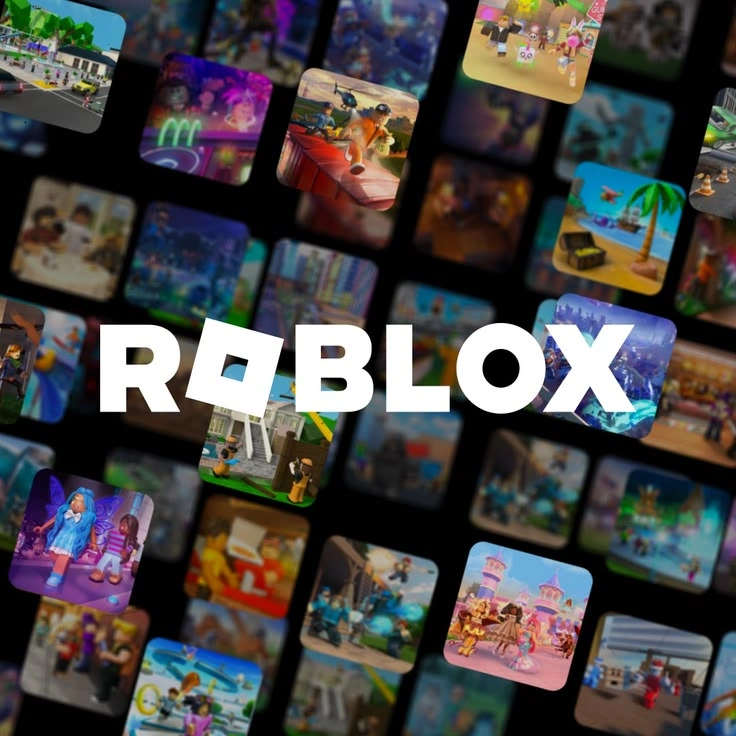
What makes Roblox unique is that it does not offer a single experience. Instead, it offers a framework where thousands of different experiences coexist. One moment, you might be playing a simulation game, the next exploring a fantasy world, building something from scratch, roleplaying in a virtual city, or simply talking with others.
This constant shift between experiences makes Roblox feel less like a game with rules and more like a digital environment where possibilities keep changing.
That openness is central to why it feels so significant.
Unlike traditional games, where players follow a defined storyline or compete within fixed mechanics, Roblox allows users to move freely between worlds created by other players. This creates a sense of discovery. You are not just progressing: you are exploring.
And exploration feels more personal than progression.
Another reason Roblox feels larger than a game is its social nature. It is not just about what you play, but who you play with. Friends meet inside games, talk, joke, collaborate, and sometimes spend hours doing things that are not even structured gameplay: just existing in the same virtual space.
For many young users, Roblox became one of the first places where digital social interaction felt real.
You could meet strangers, form friendships, create shared routines, and return to the same game worlds repeatedly. These interactions often blurred the line between gaming and social life.
Logging into Roblox sometimes felt less like starting a game and more like entering a familiar place where people you knew might already be present.
This sense of presence is important.
It transforms Roblox into something closer to a virtual hangout than a traditional game.
The platform also became meaningful because it allowed creativity in ways that were accessible. Through tools like Roblox Studio, players could design their own games, build environments, and experiment with coding—even if they started with very little technical knowledge.
For many children and teenagers, this was their first exposure to creation within a digital system.
They were not just consumers; they were builders.
This matters because creating something, even something small, changes how a platform feels. When you build inside a system, you feel ownership. The world becomes partially yours.
Roblox encouraged that feeling.
Even players who did not create full games still customized avatars, chose styles, decorated spaces, and expressed identity visually. Avatars became extensions of personality: funny, dramatic, stylish, chaotic, or carefully curated.
This element of identity expression made the platform feel emotionally personal.
Perhaps the most important reason Roblox feels like more than a game is that it exists at the intersection of play, identity, creativity, and social connection.
It is not only entertainment.
It is participation.
It is interaction.
It is exploration.
It is memory.
For many people, it was one of the first places where digital life felt like a real extension of personal life rather than something separate from it.
And that is why its impact remains so strong.
Because Roblox was not just something you played: it was somewhere you spent time, built things, met people, and slowly grew within.
And spaces like that are rarely remembered as “just games.”
They are remembered as part of who you were.

Login to comment.
No thots yet. Be the first to share your thoughts!