India-UAE Talks Boost Energy Ties and Diaspora Protection

India-UAE Talks Boost Energy Ties and Diaspora Protection
Jaishankar meets UAE leadership in Abu Dhabi as India advances energy diplomacy to restore oil imports and safeguard its diaspora amid West Asia tensions.
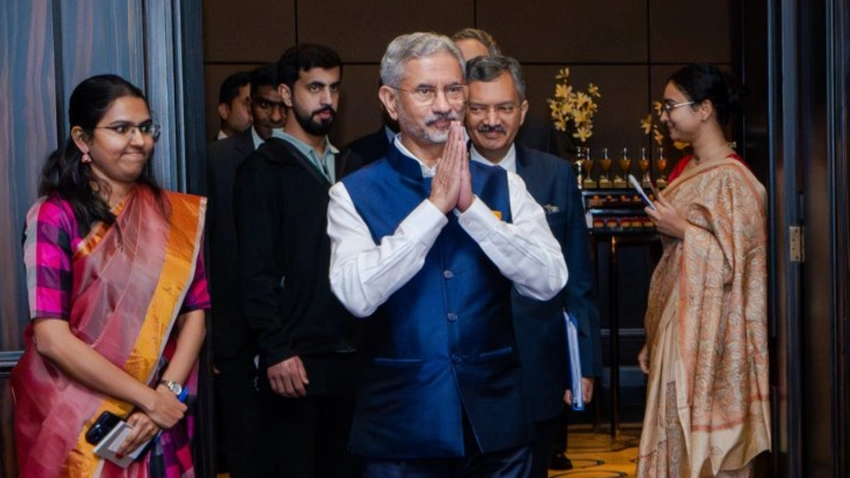
In Abu Dhabi, India’s External Affairs Minister S Jaishankar held high-level talks with UAE President Sheikh Mohamed bin Zayed to press ahead with what New Delhi calls an aggressive energy diplomacy in the Middle East. The discussions underscored a push to expand energy cooperation, secure steady oil imports, and deepen economic ties between the two nations. The meeting signals a clear intent to diversify energy supply lines and strengthen strategic collaboration in a region of growing significance for Indian energy security.
Jaishankar underscored India’s commitment to broadening collaboration in crude supplies, natural gas, and broader energy projects, while the UAE side highlighted its readiness to partner with India as a major buyer and economic partner. The conversations also touched on broader economic ties, reflecting a shared interest in sustaining robust trade relations as West Asia dynamics evolve and markets seek stability amid regional tensions.
The Indian foreign minister conveyed warm greetings from Prime Minister Narendra Modi and expressed gratitude for the UAE leadership’s efforts in protecting the Indian diaspora during the ongoing West Asia conflict. The outreach comes as Indian officials seek to reassure their citizens abroad while leveraging diplomatic channels to secure energy needs and business opportunities.
This visit follows a series of outreach efforts by Indian ministers to West Asia, including a recent trip by the petroleum minister to Qatar, illustrating New Delhi’s multi-country approach to energy security amid a two-week Iran-US ceasefire. Analysts say the Abu Dhabi talks are part of a broader strategy to anchor long-term stability in region-wide energy networks and to ensure a reliable flow of oil and gas to India, even as regional risk factors persist.
