Artists Speak Up: Is Silence Golden or Shameful?

Artists Speak Up: Is Silence Golden or Shameful?
Damon Albarn's powerful stance raises the age-old question: should artists 'shut up and sing' or use their platform for political activism? Explore the debate.
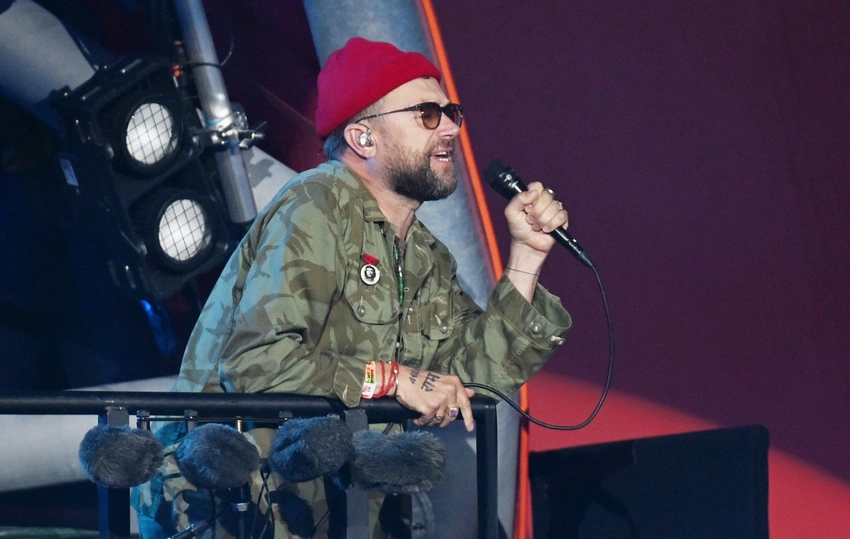
The debate about artists and activism isn't new, but recent events have amplified it, pushing the conversation to a fever pitch. Damon Albarn's powerful gesture, waving the Palestinian flag at a recent Gorillaz concert, perfectly encapsulates the modern dilemma: should creators 'shut up and sing,' or use their colossal platforms to address pressing global issues?
Albarn didn't just wave a flag; he issued a direct challenge: “Don't forget this. Ever. Stand your position.
Don't ever be neutral.” This isn't a passive stance; it's a call to conscious engagement. He's been consistently vocal about Palestinian rights for years, even performing Palestinian traditional songs and having an activist introduce his band at past shows. He firmly believes, as he's said, 'we cannot deny the Palestinians their existence.'
The stakes are incredibly high.
International bodies like a UN-appointed Commission of Inquiry and Amnesty International have concluded that genocide is occurring in Gaza.
When such grim realities are acknowledged at that level, can artists truly remain silent and maintain credibility, especially when their art often explores themes of humanity, justice, and struggle?
Yet, the consequences for speaking out can be severe. We saw Macklemore dropped from a tour after his “free Palestine” speech, which was deemed 'deeply offensive and hurtful to the Jewish community' by some. This creates a chilling effect, making many artists weigh their conscience against their career.
But as Albarn implies, neutrality in the face of what he and others perceive as atrocities isn't an option; it's a choice to side with the status quo.
Ed Sheeran’s response to the Macklemore situation—distancing himself and speaking of “suffering and pain caused on both sides”—highlights the tightrope artists walk. While acknowledging pain is important, some argue that framing conflict as symmetrical when international bodies identify one side as committing genocide effectively becomes a form of neutrality, which Albarn passionately rejects.
The idea that artists should merely entertain feels increasingly outdated in a hyper-connected world where global issues are unavoidable. Their platforms offer unique reach and influence. When a UN Commission explicitly states Israeli authorities have “deliberately targeted Palestinian children, resulting in genocide,” the idea of remaining silent becomes a profound moral quandary.
The Power of the Mic: Where Do We Go From Here?
So, is the stage just for songs, or is it a pulpit for profound statements?
Albarn, by his actions and words, makes it clear that for him, and perhaps for many, the two are inseparable. He demonstrates that genuine artistry often flows from a deep connection to humanity, and sometimes, that means stepping beyond the melody to champion what's right.
The question remains: how many more will join him?
