Barrier-First Skincare: A Dermatology Shift

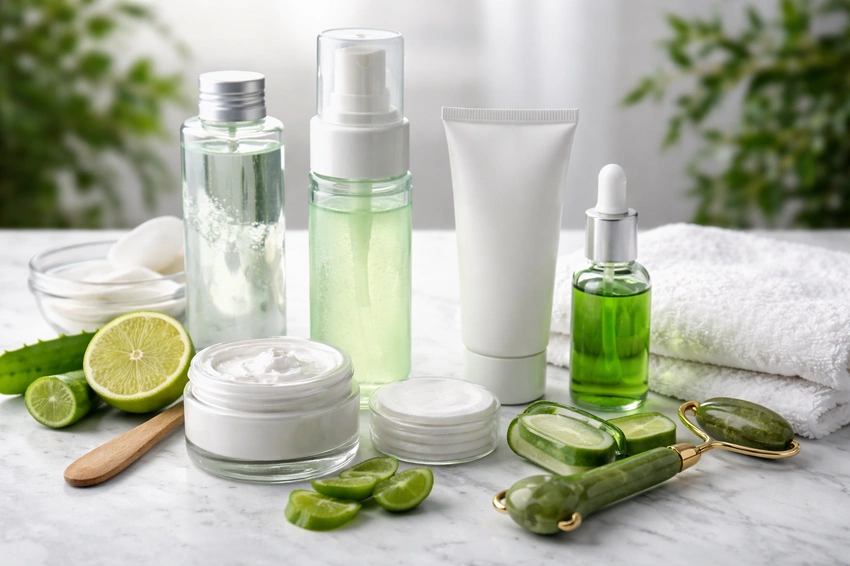
Barrier-First Skincare: A Dermatology Shift
Something significant has been changing in dermatological thinking over the past decade. The old model, treat the symptom aggressively and deal with side effects as they come, is giving way to something more nuanced and, for most patients, far more effective: address the skin barrier first, and watch the symptoms improve as a consequence.
This is not a fringe position or a wellness trend dressed in clinical language. It is a genuine shift in evidence-based dermatology, supported by a growing body of research demonstrating that barrier health is not a secondary concern but the primary determinant of skin resilience, reactivity, and the skin's ability to respond to treatment.
The practical implications for anyone managing acne, sensitivity, hyperpigmentation, or premature aging are significant. If you have been cycling through active treatments without lasting results, if your skin seems to react to everything, or if breakouts clear briefly only to return, the missing piece in your routine may not be a stronger active. It may be foundational barrier support that makes everything else actually work.
A landmark analysis published in the British Journal of Dermatology found that patients who received barrier-repair treatment alongside standard acne therapy showed significantly greater long-term clearance and significantly lower rates of treatment-related irritation than those who received acne treatment alone. This research 🔗 has become one of the cornerstones of the barrier-first approach in clinical dermatology, fundamentally shifting how forward-thinking practitioners structure their treatment protocols.
What Changed in Dermatological Thinking
For much of the twentieth century, the dominant model in acne and skin condition management was essentially military: identify the enemy (bacteria, excess oil, dead skin buildup), deploy the most powerful available weapons (antibiotics, retinoids, aggressive acids), and accept collateral damage to surrounding healthy tissue as an acceptable cost of treatment. The barrier was considered a tough outer shell that could absorb significant punishment and still do its job.
What changed was a combination of molecular biology research and long-term patient outcomes data. As researchers developed better tools for measuring transepidermal water loss, ceramide composition, and barrier permeability, a clearer picture emerged. The barrier is not a passive physical layer but a dynamic, biologically active structure that communicates with the immune system, regulates inflammatory responses, and plays an active role in whether the skin becomes colonized by pathogenic bacteria or maintains a healthy microbiome.
When the barrier is compromised, the skin does not just become drier. It becomes immunologically vulnerable, prone to dysregulation, and significantly less able to respond effectively to any topical treatment. Drugs and actives that would be effective on an intact barrier penetrate chaotically through a damaged one, causing irritation without therapeutic benefit. The barrier-first approach emerged from recognizing this reality and building it into the treatment framework rather than treating it as an afterthought.
What Barrier-First Looks Like in Practice
Implementing a barrier-first approach does not mean abandoning effective acne or anti-aging treatments. It means sequencing and structuring those treatments in a way that maintains barrier integrity as an active priority rather than an incidental consideration.
The routine begins with a gentle, pH-appropriate cleanser that removes impurities without stripping the lipid matrix. This means avoiding harsh sulfates, alcohol-heavy formulations, and physical scrubs used daily. A well-formulated, non-stripping cleanser like the Acne Control Cleanser 🔗 delivers effective cleansing alongside salicylic acid's pore-clearing action without the barrier disruption of harsher alternatives.
The next layer involves targeted active treatment delivered through a serum that addresses the specific skin concern without unnecessary irritation. For acne-prone skin, a serum combining niacinamide and salicylic acid targets the pathology of acne, excess oil, bacterial proliferation, and pore congestion, while niacinamide simultaneously supports ceramide synthesis and reduces inflammation. This dual action, treating acne and supporting the barrier in the same step, is the essence of barrier-first thinking applied to product formulation.
Barrier repair and hydration follow. This is where a dedicated skin barrier repair moisturizer 🔗 earns its place as the most important product in the routine rather than an optional finishing step. Applied to slightly damp skin within sixty seconds of serum application, it seals in the active benefits of the serum while delivering ceramides, fatty acids, and humectants that rebuild the barrier's structural integrity at the lipid level.
Sun Protection as Barrier Medicine
The barrier-first framework has elevated sun protection from a nice-to-have afterthought to an essential component of barrier maintenance. Ultraviolet radiation, particularly UVA, directly degrades ceramides in the stratum corneum, breaks down the structural proteins that give skin its resilience, and triggers inflammatory pathways that amplify the damage of every other barrier stressor in the environment. Every day spent in UV exposure without adequate protection is a day of barrier repair undone.
The ideal sunscreen for barrier-first skincare is not just protective but actively supportive of the barrier. The Cica Sunscreen SPF 50 🔗 exemplifies this approach by combining broad-spectrum PA protection with centella asiatica, an ingredient with decades of clinical evidence behind its ability to reduce inflammation, support wound healing, and promote ceramide production. Applying this daily as the final morning step addresses both UV protection and barrier nourishment simultaneously.
Treating Scars Within the Barrier-First Framework
One area where the barrier-first philosophy produces particularly striking results is in the treatment of post-acne scarring and hyperpigmentation. Traditional scar treatments often involve aggressive exfoliation or concentrated acids applied to already-sensitive, often barrier-compromised skin, frequently worsening redness and reactivity in the short term and sometimes the long term.
Within a barrier-first framework, scar treatment is introduced only once the barrier has been stabilized, and it is formulated to treat pigmentation and texture without further compromising barrier integrity. A product like the California Skin Plus Triple Action Acne Scar Clear 🔗 works within this philosophy by targeting the discoloration and texture of post-acne marks through multiple complementary mechanisms without the stripping or inflammatory response that more aggressive treatments generate. When the barrier is healthy, scar-treating actives penetrate appropriately, deliver their benefits to the target cells, and produce results that actually hold over time rather than triggering reactive flares that set the process back.
Why This Shift Matters for Everyone
The barrier-first shift in dermatology is not only relevant for people with diagnosed skin conditions. It is relevant for anyone whose skin is not performing the way they want it to, which, in practice, includes the vast majority of people who use skincare products regularly. If your skin is perpetually congested, reactive, dull, or slow to respond to treatments that should theoretically work, the starting point is almost always the barrier.
Building a routine around barrier health does not require spending more or using more products. It requires using the right products in the right sequence, with a commitment to consistency over time. Gentle cleansing, targeted active serums, dedicated barrier moisturization, and daily SPF constitute a complete, dermatologically sound routine that most people can implement immediately. The results, clearer, calmer, more resilient skin that responds predictably to treatment, tend to follow within weeks when the approach is applied consistently.
The barrier-first philosophy is ultimately about respecting the biology of the skin rather than fighting it. When you work with the skin's natural protective mechanisms rather than against them, everything else in your routine becomes more effective, the actives work better, the treatments produce lasting results, and the skin itself becomes a more stable, cooperative partner in the ongoing project of keeping it healthy.
Frequently Asked Questions
Is barrier-first skincare suitable for oily and acne-prone skin?
Yes. Oily skin is often dehydrated, leading to excess oil production. Repairing the barrier helps balance sebum and reduces breakouts. Use lightweight, non-comedogenic, oil-free products.
How is barrier-first skincare different from regular moisturizing?
Regular moisturizers hydrate the surface, while barrier-first skincare repairs the skin’s structure using ceramides, cholesterol, and fatty acids for long-term skin health.
Can barrier-first skincare help with hyperpigmentation and acne scars?
Yes. A healthy barrier improves absorption of actives and reduces inflammation, helping fade dark spots and prevent post-acne marks.
How long before reintroducing strong actives?
Typically 4–8 weeks. Wait until sensitivity, redness, and irritation reduce, then reintroduce actives slowly at low concentrations.
