Eli Lilly's GLP-1 surge tops estimates as rivals brace for 2026

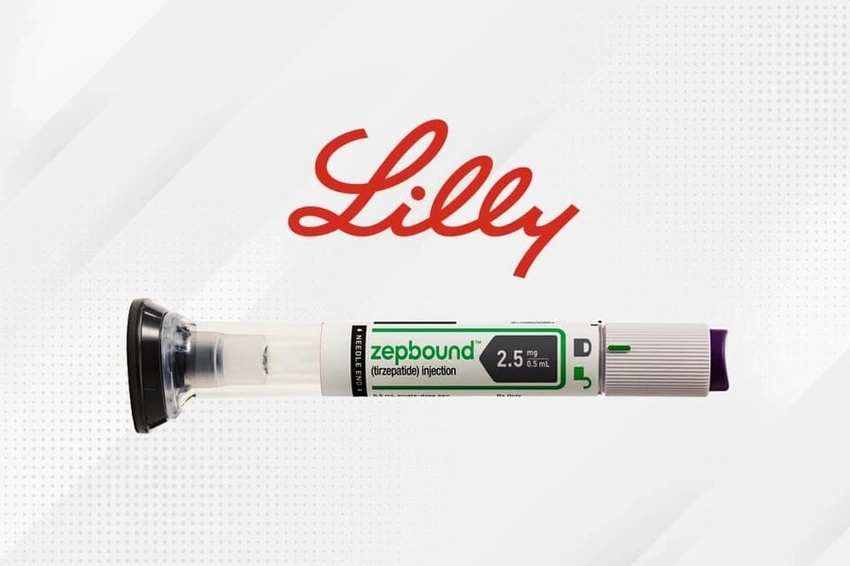
Eli Lilly's GLP-1 surge tops estimates as rivals brace for 2026
Lilly riding high on GLP-1 drugs Zepbound and Mounjaro, while Novo Nordisk cautions about 2026—a year of shifting tides in obesity treatment.
Eli Lilly’s GLP-1 growth story appears to be in the early stages of a sustained expansion, as the company solidifies its leadership in the obesity-treatment market. Analysts and investors are taking note of a divergent forecast from Novo Nordisk for 2026, highlighting a split in outlook that underscores Lilly’s strong positioned as it leans on more effective drugs and a direct-to-consumer sales approach. The contrast points to Lilly’s potential to widen the gap in a fiercely competitive space.
On the earnings front, Lilly has delivered a robust beat, with the company’s GLP-1 portfolio continuing to drive momentum. Zepbound and Mounjaro, the blockbuster drugs at the core of Lilly’s growth engine, posted combined quarterly sales that surpassed the $1 billion mark. Each drug showcased triple-digit growth, illustrating not just a high demand trajectory but also Lilly’s ability to scale pricing and access through its DTC strategy. This performance reinforces Lilly’s position as the leader in the GLP-1 category and sets a high bar for peers.
The upside for Lilly appears tied to its execution in market access, patient reach, and ongoing advances in the GLP-1 pipeline. The company has benefited from a more aggressive consumer-focused approach, enabling quicker adoption among patients and clinicians alike. While Novo Nordisk prepares for a potentially tougher 2026, Lilly’s sales strength suggests the landscape could tilt further in Lilly’s favor, especially if the company maintains its pricing discipline and expands patient access.
Looking ahead, investors will be watching how Lilly sustains momentum amid increasing competition and regulatory considerations. The current trajectory implies a meaningful shift in the GLP-1 market dynamics, with Lilly positioned to capitalize on continued demand for obesity and metabolic therapies, while the broader market keeps a vigilant eye on 2026 guidance from rivals and the evolution of federal and payer policies.
