Iran’s Araghchi Walks a Diplomatic Tightrope in Oman Talks Amid U.S. Tensions

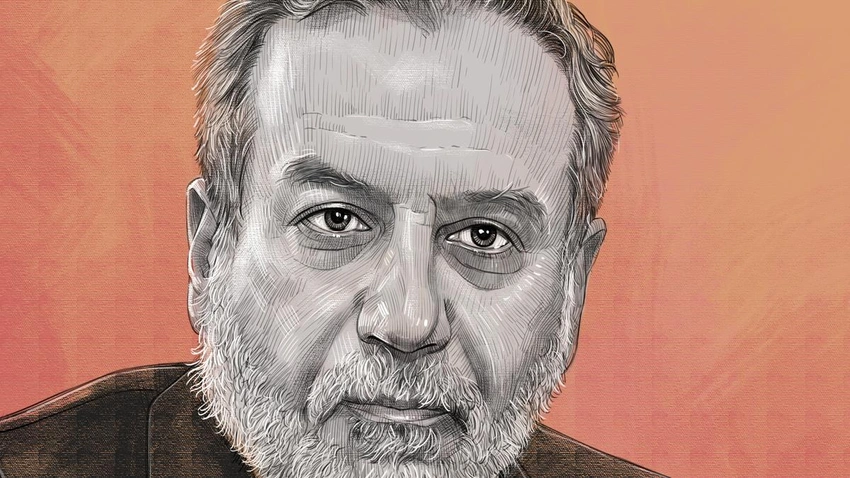
Iran’s Araghchi Walks a Diplomatic Tightrope in Oman Talks Amid U.S. Tensions
Iran’s foreign minister navigates sanctions, protests and a looming nuclear deal as indirect talks resume in Oman, balancing security demands with a push for a fair settlement with the United States.
Iran’s foreign minister Abbas Araghchi is navigating one of the world’s most delicate diplomatic terrains as indirect talks with the United States resume in Oman. The aim is to press ahead on a nuclear deal while guarding core security interests in a moment when Tehran faces intense domestic pressure and external threats.
Iran has seen its economy squeezed by Western sanctions and a wave of protests that grew into deadly clashes in January, according to official figures. Yet Tehran insists any deal must be fair and far from coercive, and it is prepared to respond decisively to any aggression.
In Muscat, Araghchi has been conducting talks through intermediaries with U.S. envoy and other officials, trying to bridge gaps without triggering a new flare-up of conflict. Tehran has signaled readiness to engage soon while maintaining that a deal the country can live with is possible.
Meanwhile, the regime’s rhetoric is unambiguous on enrichment: Iran says its power rests on resisting unconditional demands and maintaining its enrichment program. The leadership also reminded regional actors that war would be catastrophic, and it does not want to show weakness.
As the talks proceed, observers say the path remains murky, with no breakthrough yet and a sense that the next round could hinge on how Washington balances leverage against Tehran’s red lines. The broader objective remains clear: avert a broader confrontation while securing a durable agreement.
