Shocking Report: Delhi Saw Just ONE 'Good' Air Day During Monsoon!

Shocking Report: Delhi Saw Just ONE 'Good' Air Day During Monsoon!
Despite heavy rains, Delhi recorded only one 'Good' air quality day this monsoon, reveals a new CSE report. This alarming finding highlights persistent high emissions and a looming winter crisis. Find out why!
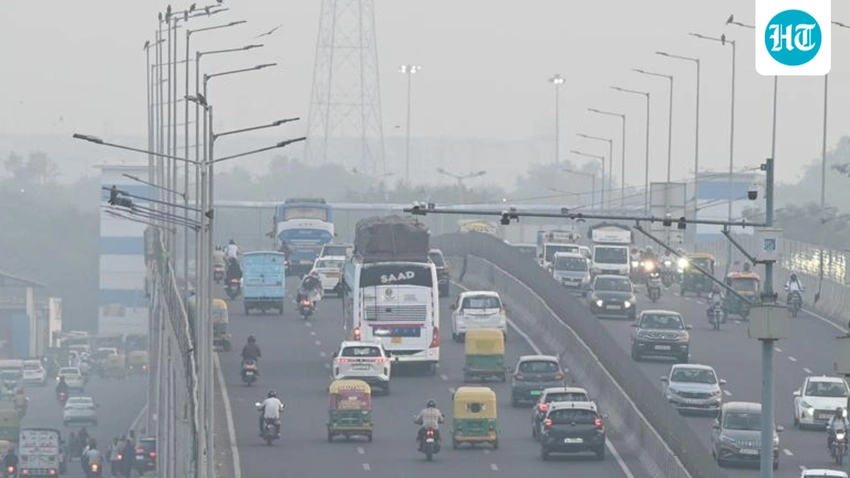
Delhi, the national capital, experienced a concerning trend during the recent monsoon season, recording just a single ‘Good’ air quality day across the entire 92-day period, according to a new report by the Centre for Science and Environment (CSE). This solitary 'Good' Air Quality Index (AQI) day occurred on July 9, when significant rainfall was noted across the city’s meteorological stations.
The report, released on Wednesday, September 30, 2026, analyzed air quality from June 1 to August 31.
While 'Poor' days dropped significantly to just three (3.3%), 'Satisfactory' days increased to 35 (38.0%), and 'Moderate' days constituted the largest share at 53 (57.6%). For context, the Central Pollution Control Board (CPCB) classifies an AQI of 0, 50 as 'Good', 51, 100 as 'Satisfactory', 101, 200 as 'Moderate', and 201, 300 as 'Poor'.
Even with the natural “washout” and wet deposition effects that monsoons typically bring, Delhi's ambient air quality struggled to maintain clean levels. The report underscored that despite heavy precipitation, baseline pollution levels remained elevated, and particulate matter quickly rebounded within 48 hours after rainfall ceased.
Anumita Roychowdhury, executive director of research and advocacy at CSE, expressed serious concerns, stating,
While monsoon rains bring temporary relief, they only mask the underlying crisis. The fact that even heavy rainfall failed to bring consistent ‘Good’ air quality, and that pollution rebounded within 48 hours during dry spells, shows that our baseline emissions remain dangerously high.
She emphasized the urgent need for “ambitious, year-round, airshed-wide action to permanently cut emissions at their source across all sectors in the NCR,” rather than relying on natural phenomena or emergency winter bans.
The findings are particularly worrying as Delhi-NCR approaches winter, a period notorious for drastic spikes in air pollution. This seasonal crisis is exacerbated by meteorological changes like lower wind speeds and dropping temperatures, alongside significant contributions from vehicular emissions, road dust, stubble burning in October and November, and festive firecrackers.
#DelhiAirPollution #AirQualityCrisis #CSEReport #DelhiMonsoon
