FBI Director Patel Sues The Atlantic for $250M Over Hit Piece

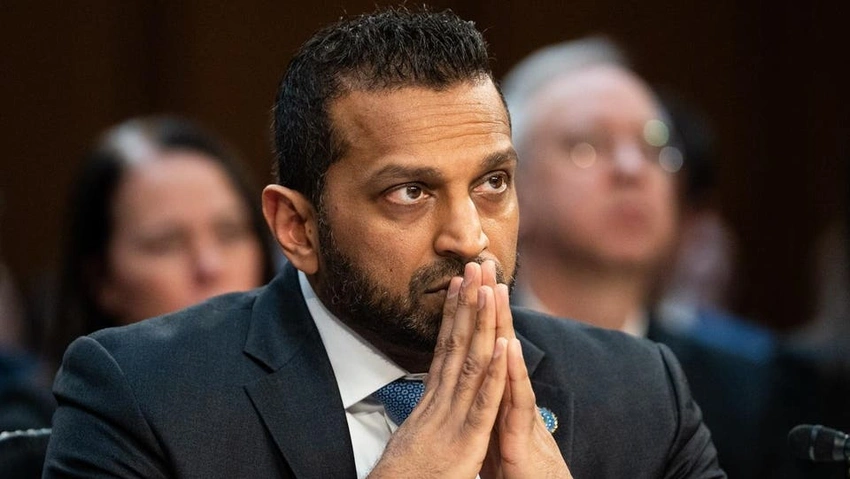
FBI Director Patel Sues The Atlantic for $250M Over Hit Piece
FBI Director Kash Patel files a $250 million defamation suit against The Atlantic, alleging a damaging profile crossed into false, defamatory territory.
FBI Director Kash Patel has filed a defamation lawsuit in Washington, D.C., accusing The Atlantic and journalist Sarah Fitzpatrick of publishing a ‘sweeping, malicious and defamatory hit piece’ about his leadership. The complaint argues the profile contains false, fabricated allegations designed to destroy Patel’s reputation and drive him from office. The filing notes Patel's leadership has alarmed officials at the FBI and in Donald Trump’s administration. The case underscores a sharp clash between aggressive reporting and the potential harm of unverified claims in high-stakes national security roles.
Patel’s lawyers point to claims that he is paranoid and has exhibited episodes of drinking in Washington, D.C., and in Las Vegas, along with unexplained absences. The suit seeks at least $250 million in damages and disgorgement of income earned from the alleged lies. The documents describe the asserted behavior as patterns that could potentially make the director vulnerable to coercion or exploitation, a claim meant to emphasize the alleged threat posed to the agency’s leadership.
The Atlantic has said it stands by its reporting and will vigorously defend against the lawsuit. In a public statement, the outlet emphasized its commitment to accurate journalism and noted that defamation lawsuits are not unusual tools for public figures who feel misrepresented. The case highlights a broader tension between press freedom and accountability when powerful figures are scrutinized in influential federal institutions.
Observers say the outcome could have implications for how investigative profiles are pursued about federal officials and how courts weigh the responsibilities of journalists in conveying sensitive allegations. Regardless of the verdict, the dispute signals a high-stakes confrontation at the intersection of media power, leadership, and accountability.
