India Firm: Indus Waters Treaty in Abeyance Until Pakistan Halts Terror

India Firm: Indus Waters Treaty in Abeyance Until Pakistan Halts Terror
India reiterates its firm stance on the Indus Waters Treaty, declaring it will remain in abeyance until Pakistan ends its support for cross-border terrorism. A critical update on a long-standing geopolitical issue. #Indu
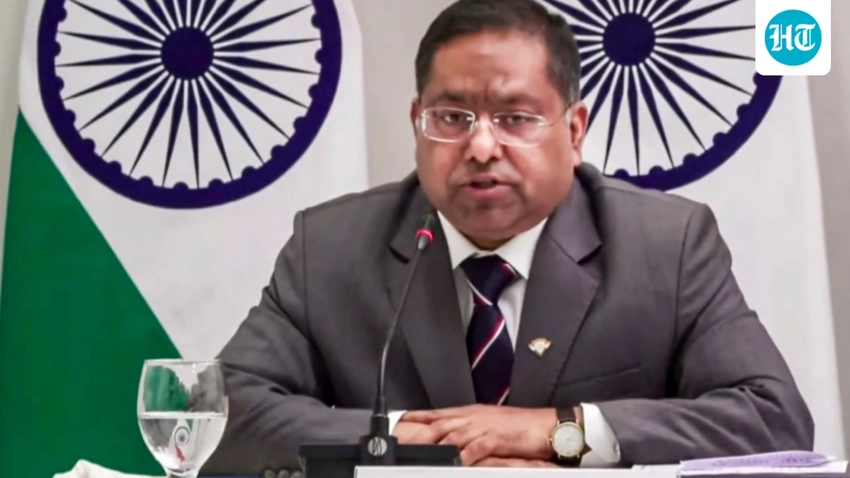
India has firmly stated that the Indus Waters Treaty (IWT) will remain in "abeyance" until Pakistan credibly and irrevocably ceases its support for cross-border terrorism. This declaration was made on Friday, July 3, 2026, by Randhir Jaiswal, the official spokesperson of the External Affairs Ministry. The statement comes shortly after Pakistan organized an international conference where its Foreign Minister and Deputy Prime Minister, Ishaq Dar, emphasized the IWT's importance for "regional peace, stability and cooperation."
Mr. Jaiswal reiterated that the 1960 treaty would be held in abeyance with immediate effect, directly linking its suspension to Pakistan's continued backing of terrorist activities. This stance is a direct consequence of the Pahalgam terror attack on April 22, 2025, which tragically claimed the lives of 26 civilians and injured dozens. Following this heinous act, India's Cabinet Committee on Security immediately put the treaty on hold, leading to significant strikes on terror targets inside Pakistan and Pakistan Occupied Kashmir under "Operation Sindoor."
The spokesperson emphasized that while the IWT was originally conceived in a spirit of goodwill and friendship, Pakistan has consistently undermined these foundational principles through its decades-long promotion of cross-border terrorism. India's position on this matter has been consistent, with Mr. Jaiswal having previously made similar statements in May 2025, highlighting that Pakistan's actions have effectively rendered the treaty's spirit null and void.
Furthermore, India acknowledges the evolving regional landscape, noting that factors such as climate change, demographic shifts, and technological advancements have introduced "new realities on the ground." These considerations also contribute to India's reassessment of its engagements. The Indian government had also previously expressed its willingness to discuss with Pakistan the modalities for gaining custody of "noted terrorists," a list of whom was provided to Pakistan several years ago. This reflects India's broader strategy to address the root causes of cross-border hostility.
While Pakistan continues to call for the restoration of the treaty and has accused India of "weaponising water," India's current position remains resolute: a credible and irrevocable cessation of terrorism from Pakistani soil is a prerequisite for any reconsideration of the IWT's status. The focus remains on safeguarding national security and ensuring regional stability, free from the threat of state-sponsored terrorism.
