Leeds hospital stand-down: Patient's kindness halts bomber; George Medal awarded

Leeds hospital stand-down: Patient's kindness halts bomber; George Medal awarded
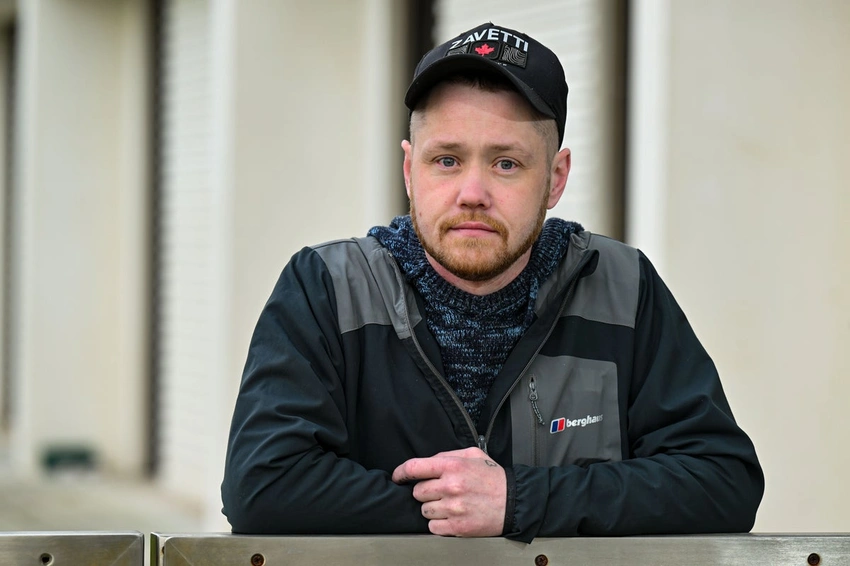
A Leeds patient talked down a would-be bomber with kindness, averting tragedy in a maternity ward. Nathan Newby is set to receive the George Medal.
A hospital in Leeds faced a crisis when a man armed with a viable pressure cooker bomb entered the maternity wing, intent on killing as many nurses as possible. The would-be attacker, Mohammad Farooq, had previously worked as a clinical support worker at the same hospital and carried a long-running grievance with his ward's nurses. He was described in court as a self-radicalised lone wolf terrorist, though he chose the hospital as his target. The case unfolded on a night when Nathan Newby, a 35-year-old patient from Leeds, found himself in the right place at the right time. Newby had stepped outside briefly for a vape and some fresh air when he noticed Farooq with his hands in his pockets, swaying as if weighed down by bad news. “How are you, pal? Are you alright?” he asked, approaching with concern, and what followed became a turning point in the night.
According to Newby, the conversation that followed was unexpected. Farooq, at one point, asked for a cuddle and told Newby to “phone the police before I change my mind.” The exchange, described by the judge as the crucial moment that prevented a mass atrocity, showed Newby’s decency and calm under pressure. He described seeing the attacker as “probably a nice guy who was going through bad things at the time,” a perspective that underscores the complexity of the situation and the extraordinary restraint he exercised.
The response of law enforcement and the court underscores the gravity of the moment. Farooq was later jailed for at least 37 years for his intended attack, with the judge noting the profound impact of Newby’s actions on the potential victims and hospital staff. On Wednesday, Nathan Newby is set to receive the George Medal, the second-highest civilian gallantry award in the United Kingdom, in recognition of his bravery and humanity in averting a catastrophe.
This incident highlights how compassion can intersect with danger in real-time, offering a powerful narrative about ordinary people stepping up in extraordinary circumstances. It also serves as a reminder of the ongoing threats faced by healthcare workers and the importance of swift, compassionate intervention when crises emerge in hospital settings.
