UK Inflation Holds Steady at 2.8% in May, Defying Forecasts

UK Inflation Holds Steady at 2.8% in May, Defying Forecasts
Unexpected news! UK inflation surprised economists by holding at 2.8% in May. Slower food price increases helped offset rising transport costs. What's next for your finances and interest rates?
The UK's inflation rate remained unexpectedly stable at 2.8% in May, confounding economists who had predicted an increase to 3%. This surprising figure, released by the Office for National Statistics (ONS), offers a glimmer of hope as the Bank of England prepares to make critical decisions on interest rates.
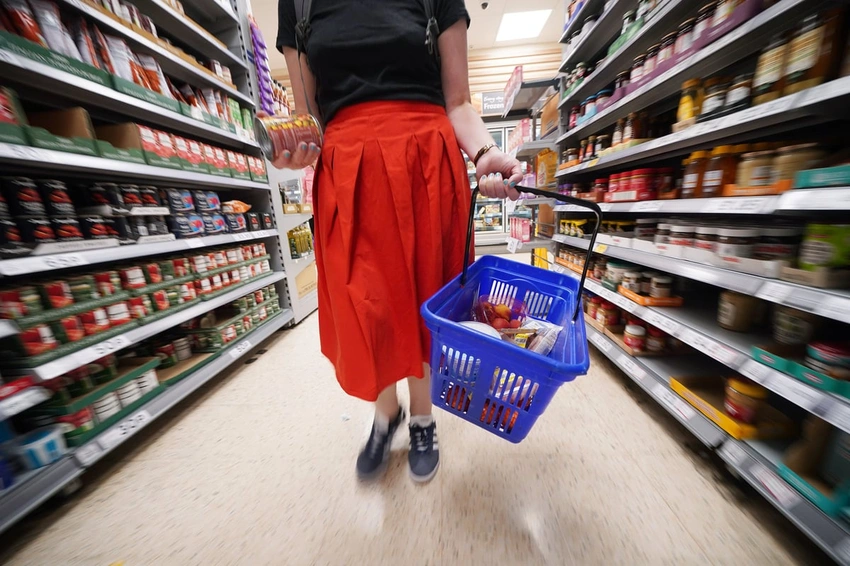
While rising transport costs, including airfares, vehicle taxes, and petrol prices, pushed upward on inflation, these were largely balanced out by slower increases in food prices. Food price inflation eased to 2.2%, although analysts caution that it often takes months for increased costs faced by farmers to fully filter through to supermarket shelves.
Grant Fitner, chief economist at the ONS, explained the data, stating, "Inflation held steady in May as various price movements offset each other." He highlighted the main upward pressure from transport, contrasting it with lower food prices across a range of meat, dairy, and vegetable items, and a fall in domestic heating oil costs.
This stability comes despite the ongoing conflict in the Middle East, which has restricted global energy flows and was expected to drive prices higher. The CPI figure followed a decline in inflation to 2.8% in April, largely due to cuts in domestic gas and electricity bills implemented after last year's budget.
Chancellor Rachel Reeves commented on the figures, noting, "While the war in the Middle East pushes prices up globally, we have got the right economic plan and inflation has held steady." She reiterated the government's commitment to protecting families and businesses through measures like energy bill cuts and freezes on fuel duty and rail fares. This unexpected flatlining of inflation suggests that the impact of global events on domestic prices might be less severe than initially feared, providing a moment of relief for households and policymakers alike.
