SC rejects plea against MHA circular on Vande Mataram as 'vague' discrimination fear

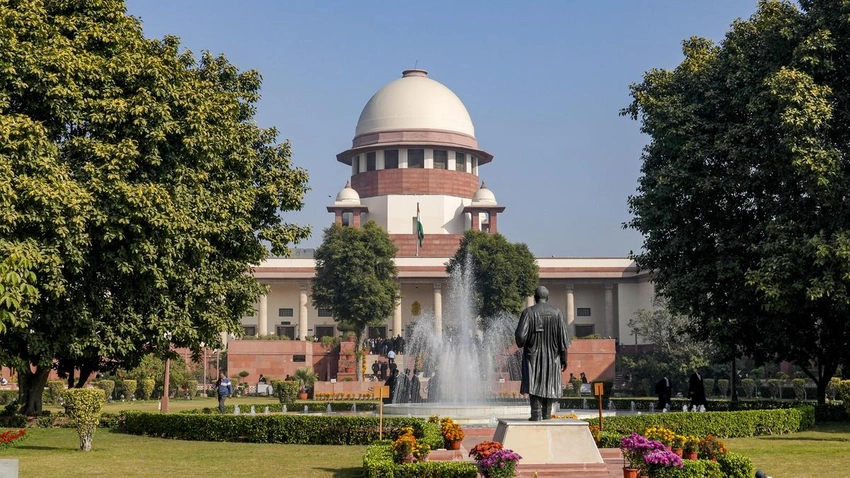
SC rejects plea against MHA circular on Vande Mataram as 'vague' discrimination fear
The Supreme Court says the January 28 advisory on singing Vande Mataram is not coercive and does not invite penalties, while inviting recourse if discrimination occurs.
The Supreme Court of India on Wednesday, March 25, 2026, heard a petition challenging the January 28 guidelines issued by the Ministry of Home Affairs on playing the National Song Vande Mataram in full at public and ceremonial occasions. The bench said the advisory is not a threat to conform and does not violate constitutional freedoms. There is no threat to conform; it is simply an advisory. The ministry views the National Song as a symbol of national identity, and while people may have different views, the petition centers on a vague apprehension of discrimination that does not establish a clear legal link to the advisory.
Advocate Sanjay Hegde, appearing for the petitioner Muhammed Sayeed Noori, argued that the circular effectively makes singing mandatory and treats the National Song as more important than the National Anthem, reducing the latter to an epilogue. The bench headed by Chief Justice Surya Kant responded that there is no penalty or legal sanction for not singing or not standing, at least at present. The circular prescribes when and how the National Song must be played and the protocol surrounding its display, but the court stressed that the absence of coercion today does not erase concerns about conscience and perception of pressure.
The petitioner was told that if anyone faces penal action or notice due to this advisory, he can approach the court. The bench described the plea as a vague apprehension of discrimination and suggested a future course if actual discrimination occurs. The court kept the matter open for possible development but emphasized that this advisory remains an optional protocol rather than a mandatory legal imposition.
