Corporate Memes: Marketing Masterstroke or Nihilist Trap?

Corporate Memes: Marketing Masterstroke or Nihilist Trap?
Big brands are using memes, self-deprecation, and absurdist humor to sell. Is this genuine connection or a cynical co-option of internet culture? We explore the philosophical implications for modern marketing.
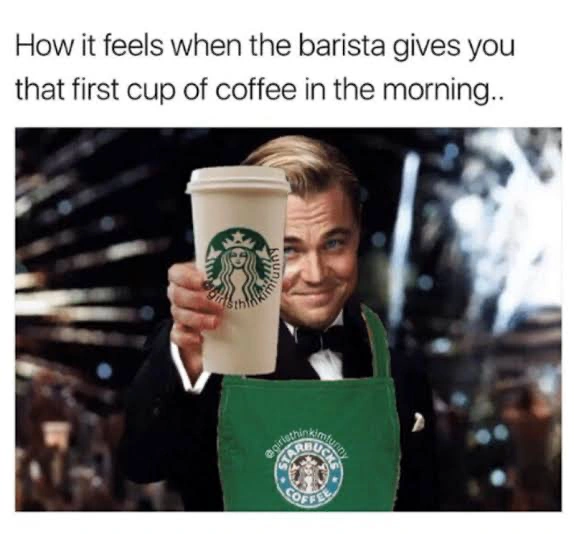
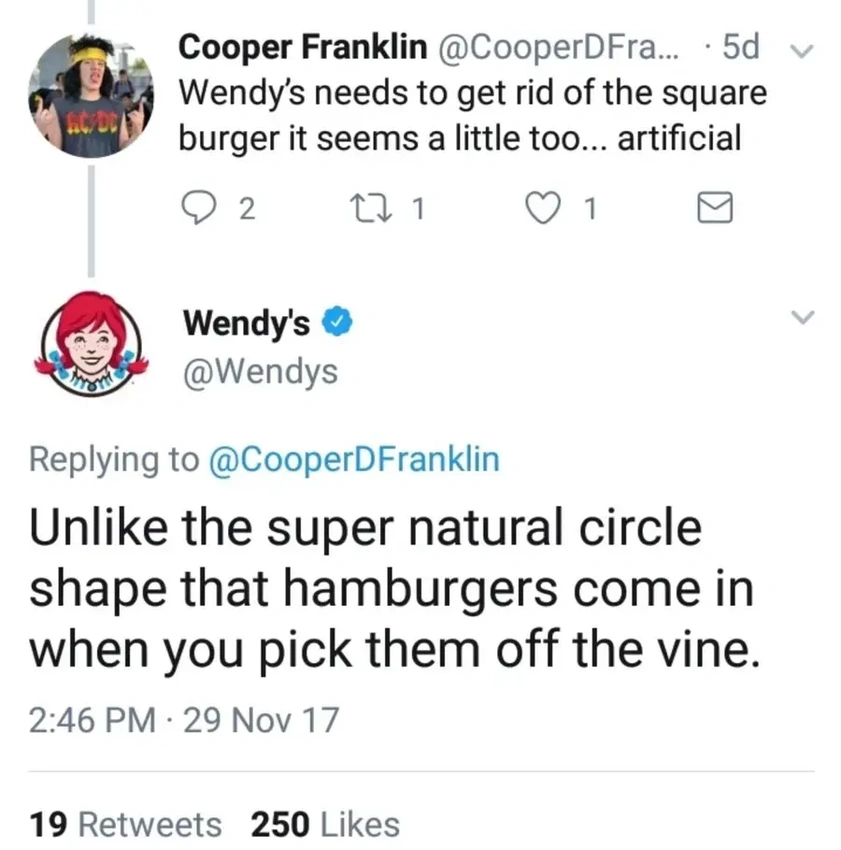
It's impossible to scroll through social media today without encountering a multi-billion-dollar corporation pretending to be your chaotic internet friend. From fast-food chains roasting competitors to financial institutions dropping obscure memes, big business has wholeheartedly embraced shitposting, self-deprecation, and absurdist internet humor. It's a profound shift that demands our attention.
The Allure of 'Relatability'
For decades, corporate marketing was a bastion of polished professionalism.
Brands projected an image of authority, aspiration, and often, unapproachability. The internet, however, democratized communication.
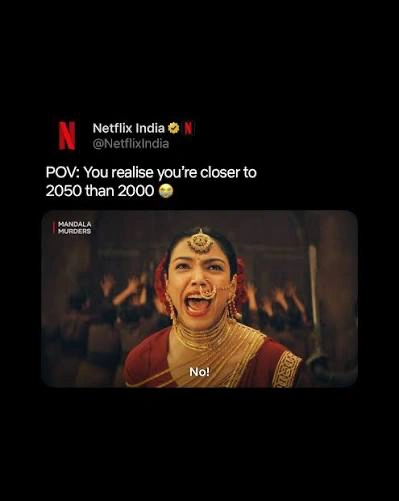
Consumers expect authenticity, engagement, and a voice that resonates with their own online experiences.
Enter the corporate meme.
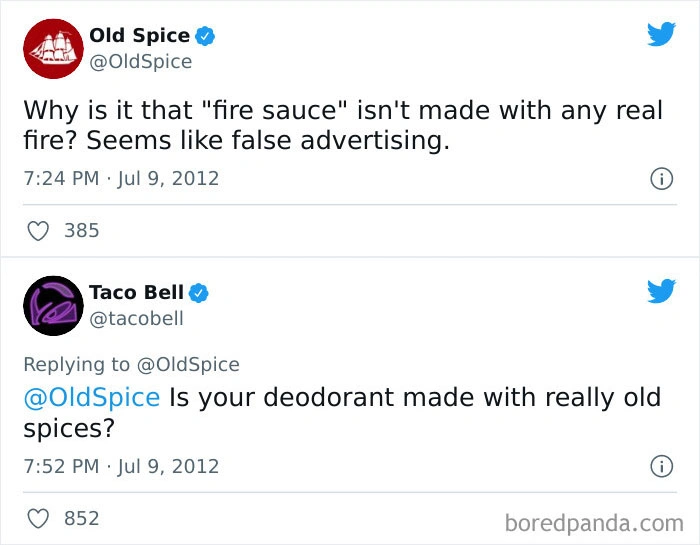
By adopting internet slang, acknowledging their own corporate foibles, and participating in ironic humor, brands attempt to shed their stiff exteriors. This strategy aims to bridge the gap between impersonal entities and a skeptical, meme-literate audience, particularly younger demographics who are acutely aware of traditional advertising's manipulative tactics.
It's a bid for 'relatability,' a way to make a monolithic brand feel human, accessible, and even cool.
 Is This Truly Democratic?
On one hand, you could argue this democratizes big business.
Brands are speaking the language of the people, seemingly on equal footing, engaging in cultural conversations rather than just broadcasting messages. They're allowing themselves to be vulnerable, or at least, perform vulnerability.
This fosters a sense of community, where consumers feel heard and valued beyond their purchasing power.
However, a deeper look reveals a more complex, perhaps unsettling, reality. This appropriation of internet culture often feels less like genuine connection and more like a carefully engineered performance.
The very irony and self-deprecation that once challenged corporate power are now being co-opted by that power.
The anti-establishment humor, the absurdity born from frustration with the status quo, is repurposed to sell products.
It's the ultimate paradox: capital using anti-capitalist irony to build loyalty.
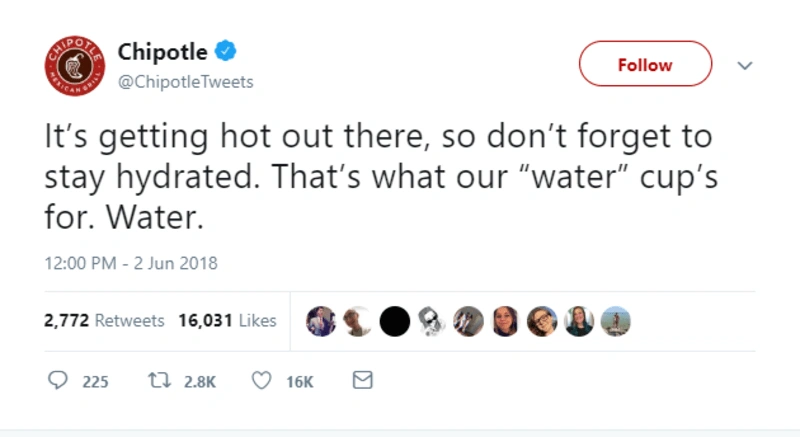
The Philosophical Crisis: Nihilism as a Marketing Tool
This is where the philosophical crisis emerges. When everything is ironic, when even serious topics are treated with a detached, sardonic wit, what happens to genuine meaning? If brands are constantly winking at the audience, acknowledging the absurdity of their own existence while still urging consumption, it risks fostering a widespread sense of nihilism.
This isn't about promoting meaninglessness directly, but rather about creating a landscape where the performance of not caring becomes a strategic asset. The ultimate irony is that these brands are not just selling products; they're selling an attitude , an attitude of sophisticated detachment that often masks the very real power dynamics at play.
As one observer put it,
It's like the corporation learned to laugh at itself, but only to make you forget it's still holding the leash.
This marketing approach demands consumers to be in on the joke, to understand the meta-narrative, and to accept the inherent contradiction. It asks us to suspend disbelief that a company valued in billions genuinely understands the struggle of Monday mornings or the existential dread of modern life. When this becomes the norm, genuine critique can be disarmed, and cynicism can become pervasive.
It cultivates an environment where authenticity is merely another aesthetic to be commodified.
 What's Next for Brand Loyalty?
The rise of corporate memes highlights a crucial tension in modern marketing: the desire for authenticity versus the need for profit. While the immediate gains, increased engagement, viral reach, and perceived relatability, are clear, the long-term implications are less so. Are we creating a generation of consumers who are so used to ironic detachment that they struggle to connect with anything truly earnest?
Or will brands eventually push past the irony to find new ways of genuine, value-driven connection?
For now, the corporate meme trend continues, a fascinating, unsettling experiment in how capital navigates culture. It’s a constant reminder that in the digital age, even anti-establishment humor can become a tool of the establishment, leaving us to wonder what, if anything, remains sacred in the pursuit of brand loyalty.
