Parliament clears Transgender Amendment Bill amid uproar

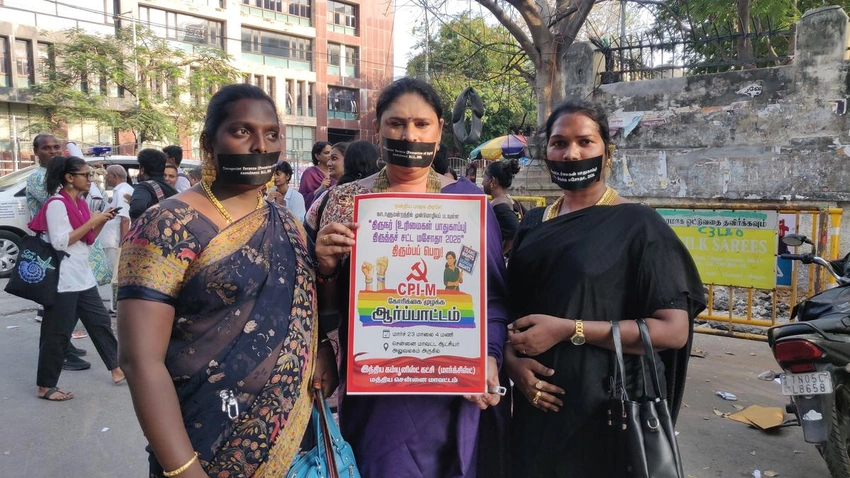
Parliament clears Transgender Amendment Bill amid uproar
Parliament approves the Transgender Amendment Bill amid opposition protests, with government claiming protections against discrimination and calls for broader consultation.
The Rajya Sabha on Wednesday passed the Transgender Persons (Protection of Rights) Amendment Bill, a day after the Lok Sabha cleared the legislation. The Opposition demanded the Bill be sent to a select committee of the House for scrutiny, arguing the amendments could affect the dignity and self-identification of third-gender people. Two members from the National Council for Transgender Persons resigned, citing concerns over the amendments.
Union Social Justice and Empowerment Minister Virendra Kumar countered the Opposition’s charges, saying the Bill is designed to protect those who face discrimination due to biological issues and that transgender people would continue to receive legal recognition and protection. He argued the Bill would bring administrative clarity and serve as a pathway to justice for individuals who have faced social exclusion.
Kumar highlighted that transgender welfare boards have been established in over 30 states and asserted that this is not merely a legal reform but a broader effort to safeguard rights and dignity. Nevertheless, some Members expressed strong reservations. DMK MP Tiruchi Siva contended that the amendments could violate the right of self-identification by requiring identification before a medical board, and he pressed for a comprehensive consultative process with stakeholders, legal experts, civil society, and the transgender community.
In the ongoing debate, opposition voices stressed the importance of safeguarding self-determination and cautioned against measures they viewed as regulatory hurdles rather than inclusive protections. Supporters framed the Bill as a necessary step toward universal coverage of rights for transgender individuals, linking it to ongoing commitments under the broader social justice agenda.
The legislation’s rapid passage reflects the political stakes around safeguarding minority rights while navigating concerns over administrative procedures and the scope of self-identification. As Parliament continues its session, both sides acknowledge the need to balance protective provisions with inclusive policy that reflects the lived realities of the transgender community.
