US-Iran Tensions Rise as West Asia Bases Come Into Focus

US-Iran Tensions Rise as West Asia Bases Come Into Focus
As U.S. troops boost posture near Iran, new maps highlight the buildup across West Asia and the potential risks of escalation.
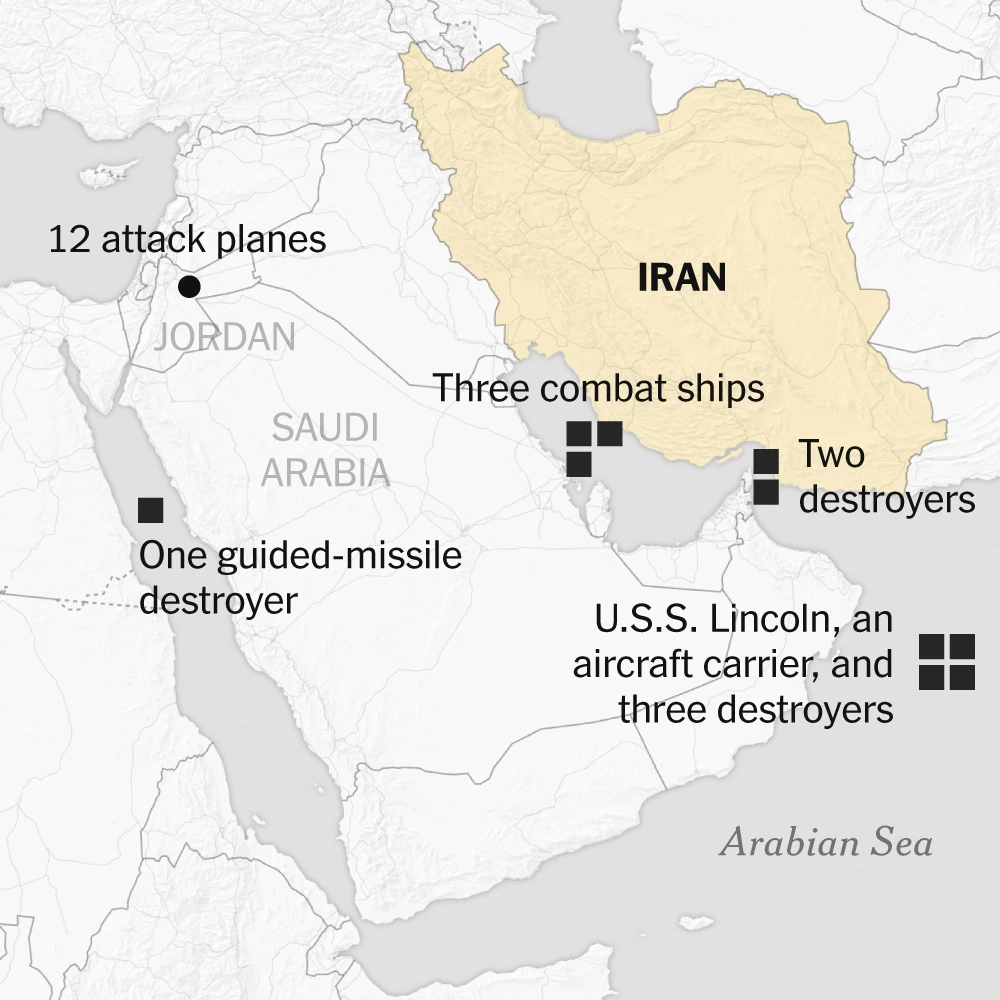
Tensions between the United States and Iran are rising again as Washington increases its military footprint near Iran. The shift comes with a broader regional posture in West Asia, including key bases and new deployments that have drawn renewed attention to the risk of miscalculation or misfire. While officials have not announced new action, the moving parts in the region signal a sobering moment for security planners.
Recent mapping and reporting show a visible uptick in U.S. presence across West Asia, with bases and forces positioned to deter or respond to any Iranian move. The development underscores how the balance in the region can hinge on limited actions that carry outsized consequences, further complicating diplomacy in a high-stakes environment.
Strategists warn that any strike by Washington or Tehran could prompt retaliatory actions against American bases in West Asia, potentially drawing in partners and sparking a broader cycle of retaliation. The warnings emphasize that the region’s security landscape remains highly fluid, with misinterpretations or rapid shifts risking rapid escalation.
Although the White House has not authorized military action, officials describe the posture as a deterrent and readiness measure, aiming to contain tensions while keeping channels open for dialogue. The situation highlights the fragility of regional security where even non-kinetic pressure and messaging can influence risk calculations for both sides.
Analysts contend that the current dynamics demand careful de-escalation, transparent communication, and a renewed focus on diplomacy to prevent a crisis that could reverberate beyond West Asia’s borders. The coming days are likely to test whether dialogue can outpace the momentum of military posturing in a volatile theater.
