Micro-Inflammation: The Silent Trigger Behind Persistent Acne

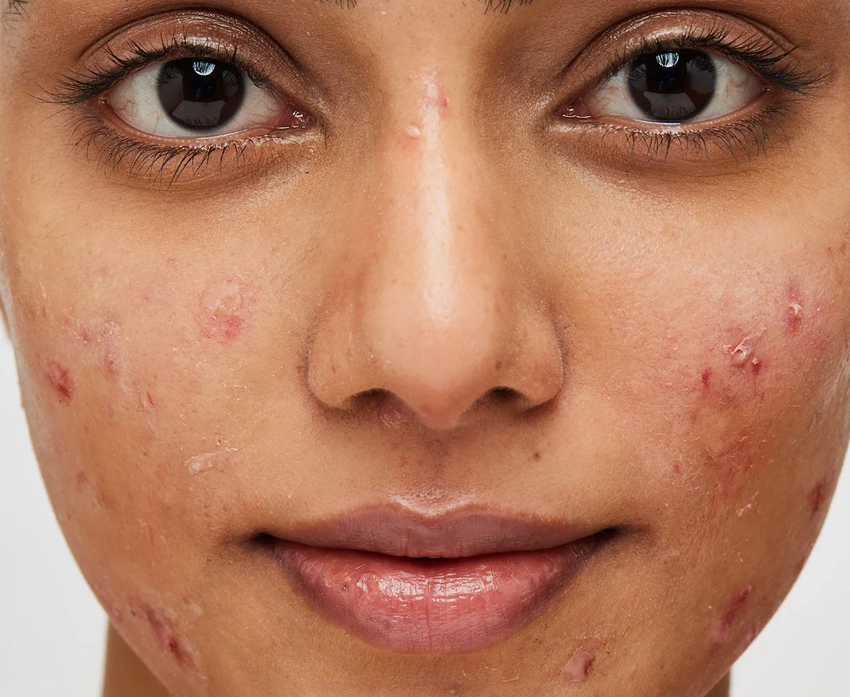
Micro-Inflammation: The Silent Trigger Behind Persistent Acne

Most acne advice focuses on visible breakouts, but what if the real problem starts long before a pimple appears? Micro-inflammation is a subtle, ongoing process within the skin that weakens its balance and quietly sets the stage for acne. It does not always show immediate symptoms, which makes it easy to ignore. However, this hidden trigger can be the reason why your breakouts keep returning despite using multiple treatments. Building a routine around prevention, starting with a non comedogenic face wash 🔗, can help reduce these invisible triggers before they escalate.
What Is Micro-Inflammation in Skin
Micro-inflammation refers to low-level, continuous inflammation happening beneath the skin’s surface. Unlike visible redness or swelling, it operates silently and gradually disrupts normal skin function.
It can be caused by:
- Pollution and environmental stress
- Overuse of harsh skincare products
- Poor barrier health
- Hormonal fluctuations
Over time, this inflammation weakens the skin’s defenses and makes pores more prone to clogging and infection.
How Micro-Inflammation Leads to Acne
The process begins with irritation at a cellular level. This irritation:
- Increases oil production
- Disrupts the natural shedding of skin cells
- Encourages bacterial growth
As a result, pores become clogged more easily, leading to recurring acne. Because the inflammation is ongoing, breakouts tend to reappear in the same areas.
Why Treating Only Visible Acne Is Not Enough
Most skincare routines focus on drying out pimples or reducing their size. While this may offer temporary relief, it does not address the underlying inflammation.
This is why:
- Acne keeps coming back
- Skin becomes more sensitive over time
- Treatments stop working effectively
To break this cycle, your routine must target both visible acne and the invisible inflammation beneath it.
The Role of Gentle Cleansing in Reducing Inflammation
Harsh cleansers can strip the skin and worsen micro-inflammation. A gentle, balanced cleanser helps maintain the skin’s natural barrier while removing impurities.
An effective cleansing routine:
- Removes excess oil without over-drying
- Maintains pH balance
- Prepares the skin for treatment products
Consistency in cleansing reduces the buildup that contributes to inflammation.
Serums That Calm and Correct
Serums play a key role in addressing micro-inflammation. They deliver active ingredients that penetrate deeper into the skin, helping to calm irritation and regulate oil production.
Look for serums that:
- Soothe inflammation
- Strengthen the skin barrier
- Improve overall skin texture
Using the right serum regularly can reduce the frequency and severity of breakouts.
Barrier Repair: The Foundation of Clear Skin
A strong skin barrier is essential for preventing micro-inflammation. When the barrier is compromised, the skin becomes more vulnerable to irritants and bacteria.
A barrier-repair moisturizer helps:
- Lock in hydration
- Protect against environmental damage
- Support healing
Healthy skin is less reactive and more resilient against acne triggers.
Targeted Treatments for Active Breakouts
While preventing inflammation is key, you still need solutions for active acne. Targeted treatments allow you to treat pimples without affecting the rest of your skin.
Common options include:
- Spot corrector gels
- Drying lotions
- Protective patches
These treatments reduce inflammation quickly and prevent further irritation.
What Research Says About Inflammation and Acne
Scientific studies increasingly highlight the role of inflammation in acne development. According to research published in the Journal of Clinical, Cosmetic and Investigational Dermatology, inflammation is present at every stage of acne formation, even before visible lesions appear.
This confirms that addressing inflammation early is critical for effective acne management.

Daily Habits That Reduce Micro-Inflammation
Beyond skincare products, your daily habits also influence inflammation levels.
Simple changes can make a big difference:
- Avoid over-exfoliating your skin
- Use lukewarm water instead of hot water
- Maintain a consistent skincare routine
- Protect your skin from sun exposure
These habits help keep your skin calm and balanced.
Why Consistency Matters More Than Intensity
Many people try aggressive treatments in hopes of quick results. However, this often worsens micro-inflammation.
A gentle, consistent routine:
- Supports long-term skin health
- Reduces sensitivity
- Improves treatment effectiveness
Patience is essential when dealing with underlying inflammation.
The Long-Term Impact of Ignoring Micro-Inflammation
If left untreated, micro-inflammation can lead to:
- Chronic acne
- Post-acne marks
- Uneven skin texture
- Increased sensitivity
Addressing it early helps prevent these long-term issues and keeps your skin healthier over time.
Conclusion
Micro-inflammation may be invisible, but its impact on your skin is significant. By focusing on prevention, gentle care, and barrier support, you can break the cycle of recurring acne. A well-balanced routine that targets both visible and invisible triggers is the key to long-term results. Incorporating targeted solutions like a pimple patch waterproof 🔗 🔗when needed ensures that active breakouts are treated without adding further stress to your skin.
Call to Action
Ready to take control of your skin at a deeper level? Discover thoughtfully formulated skincare solutions at World of California 🔗 designed to reduce inflammation, strengthen your barrier, and support clear, healthy skin.
FAQs
What causes micro-inflammation in the skin?
It can be triggered by environmental factors, harsh skincare products, and a weakened skin barrier.
Can micro-inflammation be completely eliminated?
While it may not be fully eliminated, it can be significantly reduced with proper skincare and habits.
Is exfoliation bad for acne-prone skin?
Not necessarily, but over-exfoliation can worsen inflammation and lead to more breakouts.
How long does it take to see improvement?
With consistent care, improvements are usually visible within a few weeks.
Are pimple patches safe for sensitive skin?
Yes, most are designed to be gentle and protect the skin while aiding healing.
