Trump Won't Reimburse Taxpayers for Controversial Ads Amid Backlash
Trump Won't Reimburse Taxpayers for Controversial Ads Amid Backlash
Despite earlier claims, former President Trump will not repay taxpayer funds already spent on controversial promotional ads. White House clarifies his PAC will only cover future costs, sparking renewed debate.
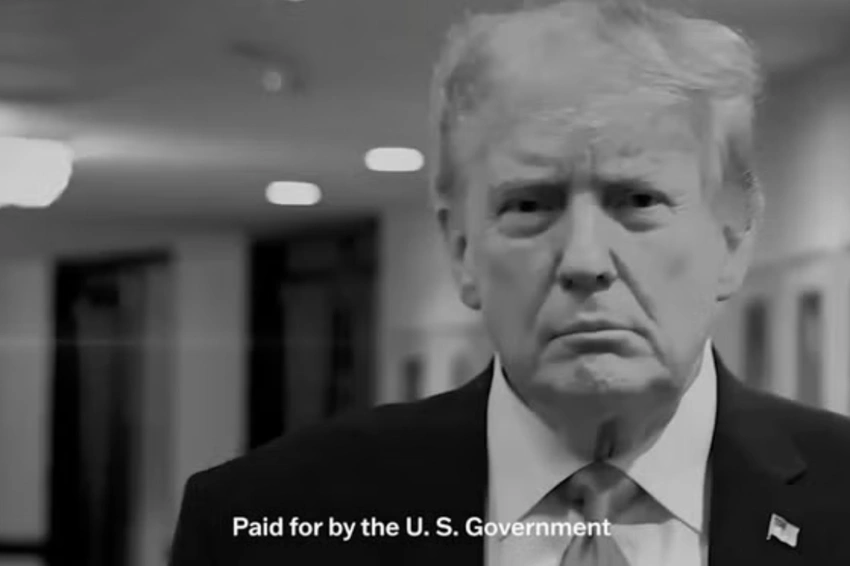
Former President Donald Trump will not be reimbursing taxpayers for the millions of dollars already spent on a series of campaign-style advertisements, despite his earlier public statement that he would personally cover the costs. This clarification comes from the White House, stating that Trump's offer referred only to future ad spending, not the funds already expended.
The ads, which promote the Trump administration and feature messages like a "final battle" against "globalists," have drawn significant bipartisan criticism. Lawmakers from both sides of the aisle, along with legal experts, have condemned the use of public money for what many deem partisan political propaganda, especially ahead of critical midterm elections.
Reports indicate that these ads have already cost taxpayers approximately $10 million, part of a larger $20 million budget reportedly allocated by the Department of Homeland Security for the campaign.
Trump initially stated on his Truth Social account that he would "pay for them myself, and with money I raised for MAGA, Inc." following mounting pressure and threats of legal action. However, the White House has now clarified that this statement "was not referring to reimbursement." Furthermore, Trump faces legal restrictions regarding direct control over the spending decisions of a Super PAC like MAGA, Inc.
Legal experts have labeled the spending an "unlawful and outrageous misuse of public funds," arguing that federal law explicitly forbids using taxpayer dollars for political propaganda. One of the ads even controversially used the song "Love Me" by JMSN without permission, leading the artist to issue a cease-and-desist notice.
Despite the backlash, Trump has defended the ads as "positive promotion for our Great U.S.A.," suggesting it's a standard practice.
Senator Maggie Hassan, a leading Democrat, has been pressing the White House for full transparency on the costs, funding sources, and all parties involved in the creation and dissemination of these advertisements.
The ongoing controversy highlights persistent concerns over the ethical use of government resources for political messaging.
