Indians Seen as 'Good Actors' as US Grants 30-Day Russian Oil Waiver

Indians Seen as 'Good Actors' as US Grants 30-Day Russian Oil Waiver
US issues a 30-day waiver allowing India to buy Russian crude, touting global oil price stability amid a supply crunch.
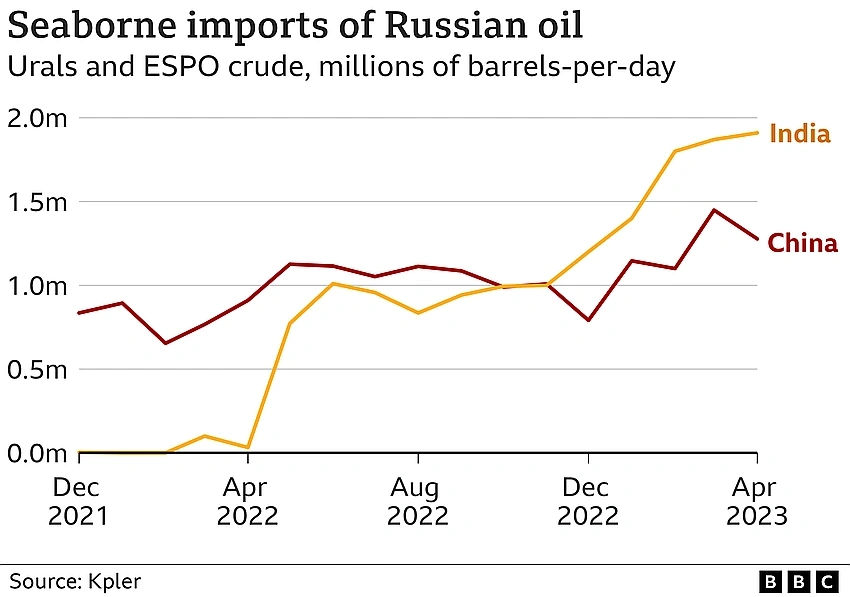
A fresh US move on Russian oil places India at the center of a delicate price-stability maneuver. Washington has issued a 30-day waiver allowing India to purchase Russian crude that is currently on the water, arguing the easing is temporary and aimed at easing a global supply crunch. The administration insists there is no broad policy shift toward Russia, framing the step as a short-term bridge to keep oil prices from spiking as refineries adapt. The waiver period begins from the announcement and is designed to shield energy markets from abrupt volatility during a period of tight supply.\n\nOfficials said the action is narrowly scoped and time-bound, not a change in overall policy toward Moscow. In remarks on a news program, the energy secretary described the waiver as a practical move to maintain price stability, noting that it is temporary and designed to prevent further pressure on refining networks around the world. Treasury spokespeople echoed that the measure is about market stability rather than a policy reversal.\n\nIndia, meanwhile, has been described by US officials as a 'good actor' for substituting limited Russian supplies with alternative sources. Treasury feedback stressed that allowing India to move stored Russian oil into local refineries helps alleviate bottlenecks and reduces pressure on other global refineries. The arrangement is pitched as a temporary step, with discussions about broader cooperation continuing even as India’s energy security remains a priority. The overall aim, officials say, is to keep oil prices steady while global markets adjust to evolving dynamics in supply and demand.\n\nAnalysts say the waiver highlights the balancing act of energy diplomacy: stabilizing prices, supporting allied partners, and avoiding a sharp disruption in global markets while broader sanctions policy remains unchanged. The episode underscores how India navigates energy security and geopolitical constraints in a rapidly shifting oil landscape.
