Trump Threatens NATO Exit, Calls Alliance a Paper Tiger

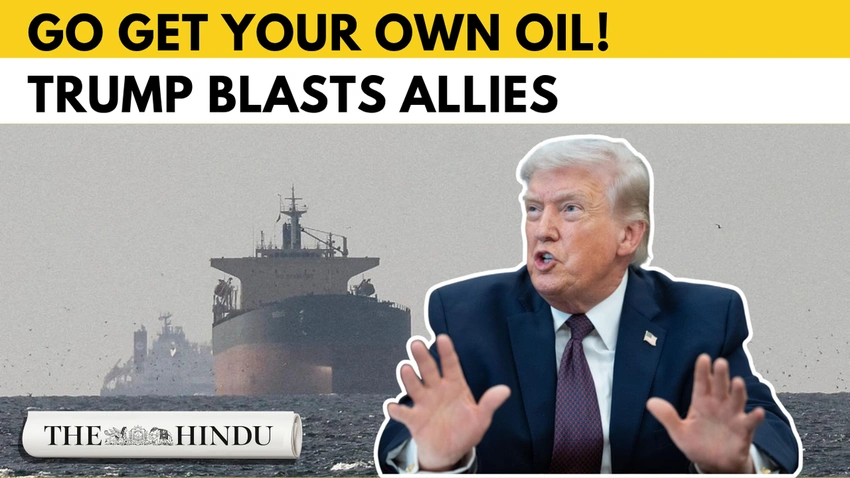
Trump Threatens NATO Exit, Calls Alliance a Paper Tiger
As tensions over Iran rise, Trump floats exiting NATO, sparking questions and warnings about alliance cohesion.
With the Iran conflict intensifying, the US president has raised the possibility of withdrawing from NATO, a move that would redefine transatlantic security and unsettle long-standing alliances. The loud public debate over NATO’s role comes as European partners push back against perceived gaps in burden-sharing and as the war in the Middle East continues to ripple through markets and regions. The comments have already ignited a chorus of headlines across major outlets and have prompted diplomats to warn of a potential realignment within the alliance.
Analysts say that even the suggestion of a US exit could destabilize NATO’s unity just as adversaries watch for cracks in the 77-year-old security framework. Europe, while wary, is facing pressure to demonstrate resilience and to articulate a clear path forward that preserves collective defense commitments while addressing political and strategic fatigue.
In parallel, conservative voices within Europe have argued for a tougher stance on defense and a recalibration of relations with Washington, including calls for more autonomous regional security options. In Washington, commentators stress that any move away from NATO would force allies to rethink military posture, intelligence sharing, and crisis response mechanisms that have underpinned Western security since World War II.
The discussion comes as the UK signals a pivot toward closer EU ties, with leaders publicly stating they won’t bow to pressure and will pursue stronger defence and economic links outside a previously centralized framework. The broader international environment—characterized by shifting power dynamics and energy security concerns—suggests that a weaker NATO could be exploited by adversaries, including those in regions facing strategic rivalries.
Amid the rhetoric, officials insist that sustaining alliance cohesion remains imperative, even as leadership changes and policy debates continue to shape the bloc’s approach to defense, diplomacy, and joint operations. The crisis thus underscores the delicate balance between national interests and collective security that will define Western strategy in the years ahead.
