The Dupe Dilemma: Why Fakes and Counterfeits Speak to Our Need to Belong

The Dupe Dilemma: Why Fakes and Counterfeits Speak to Our Need to Belong
The Dupe Dilemma: Why Fakes and Counterfeits Speak to Our Need to Belong
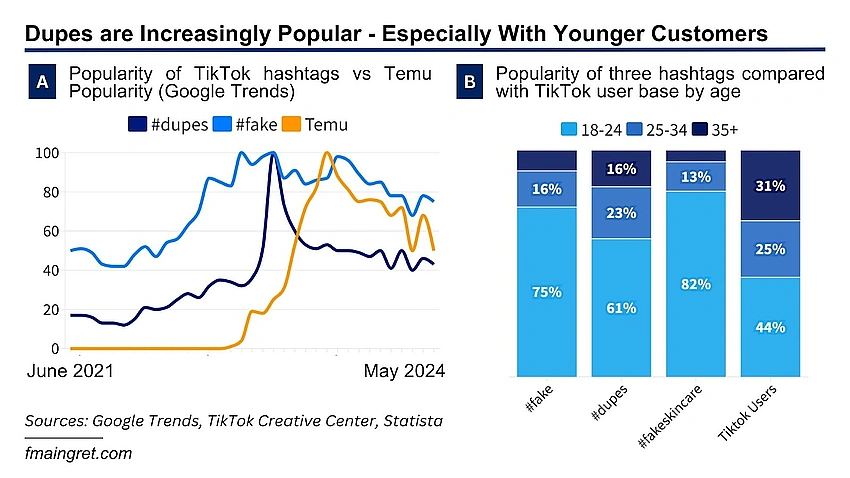
In contemporary popular culture, few phenomena encapsulate our collective anxieties about authenticity, identity and aspiration quite like the obsession with dupes, fakes and counterfeits. From viral TikTok videos showcasing low-cost lipstick dupes to street markets pulsating with pirated sneakers, the allure of the imitation has never been more visible or culturally significant. This fixation is not merely a matter of commerce; it is a mirror reflecting deeper psychological, social and economic currents in global consumer culture.
 What Are Dupes, Fakes and Counterfeits?
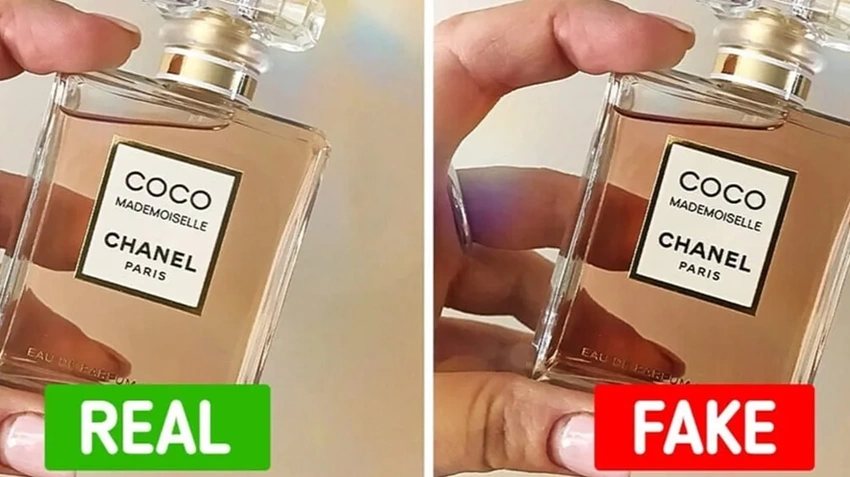
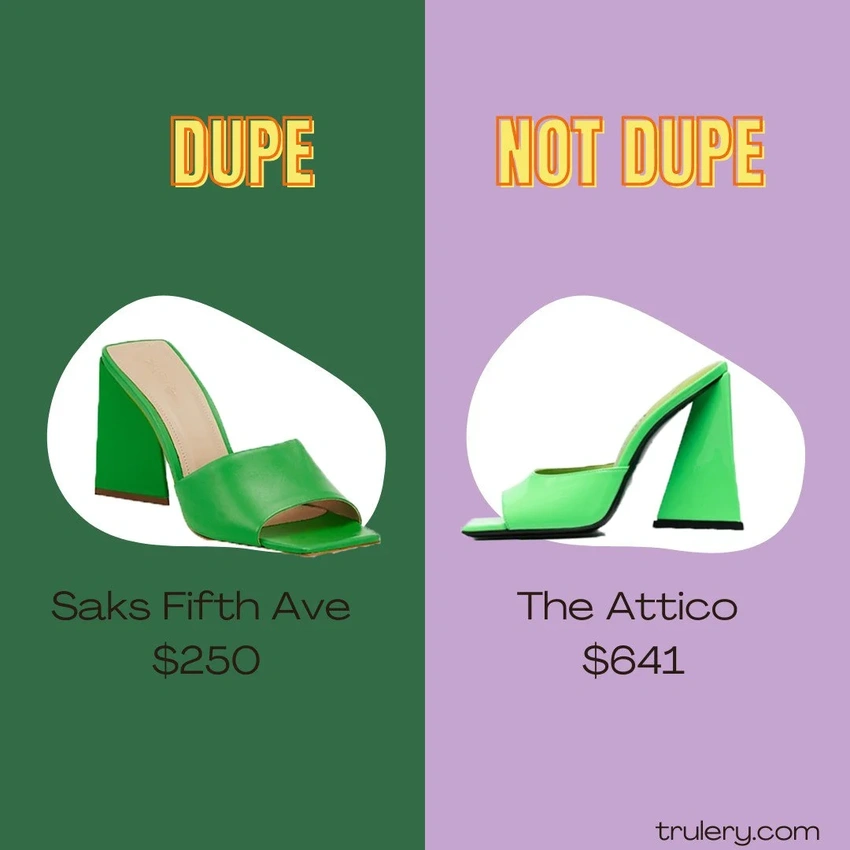
At first glance, the terms “dupe”, “fake” and “counterfeit” might appear interchangeable, yet they occupy distinct conceptual and legal spaces. A dupe is an imitation product that resembles a high-end item in appearance or performance but deliberately avoids using trademarked logos or brand names; it thrives in a legal grey area and has been normalised, especially in beauty and fashion circles. By contrast, counterfeit goods explicitly reproduce trademarked elements to deceive consumers into believing they are genuine, which is illegal under intellectual property law. A fake, more broadly, may fall into either category depending on whether it misrepresents origin or brand.
This linguistic nuance matters in cultural analysis because it shapes how consumers perceive their purchases: a dupe can be celebrated as savvy or stylish, while a counterfeit is more likely to be stigmatised as unethical or illicit.
 From Shadow Markets to Digital Squares
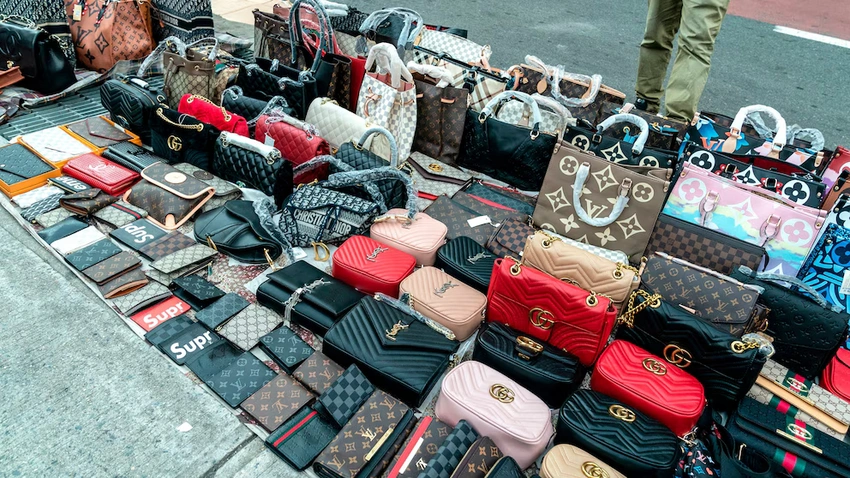
Counterfeiting is hardly a novel phenomenon. Historical records indicate that imitation goods have co-existed with markets for authentic products for centuries, from forged coins to pirated literature. Yet in the era of globalised production and digital commerce, the scale of imitation has ballooned. According to trade analyses, counterfeit and pirated goods accounted for an estimated 2.5 per cent of global trade in 2019, a figure projected to grow substantially by 2030.
Multiple structural forces drive this expansion. Global supply chains enable low-cost manufacturing in regions with weak enforcement of intellectual property laws, while e-commerce platforms provide virtually frictionless access to consumers around the world. Social media has amplified both awareness of and demand for imitation goods, creating algorithms that reward dupe-related content with millions of views.
 Identity, Aspiration and Social Signalling
Why does dupe culture resonate so strongly? Psychological research suggests that imitation goods can become tools of identity performance. Consumers may pursue luxury aesthetics without the financial burden of original prices, signalling aspirational identities that straddle the boundary between access and exclusivity. Indeed, a 2012 study in Psychological Science found that wearing counterfeit luxury items can be associated with attempts to enhance self-image and social projection, though it also risked creating internal dissonance about authenticity.
This duality is characteristic of contemporary consumer identity. Dupes offer a form of cultural participation in trends that might otherwise be prohibitively expensive, while fakes engage with deeper anxieties around status, legitimacy and belonging.
It is worth noting, however, that the psychological impact of possession extends beyond mere self-fashioning. Some empirical work has linked the consumption of counterfeit goods with a broader loosening of ethical boundaries: individuals who engage with fakes may exhibit greater tendencies towards dishonest behaviour in unrelated domains, suggesting that the symbolic compromise of authenticity can bleed into moral self-perception.
 Brand, Culture and Commerce
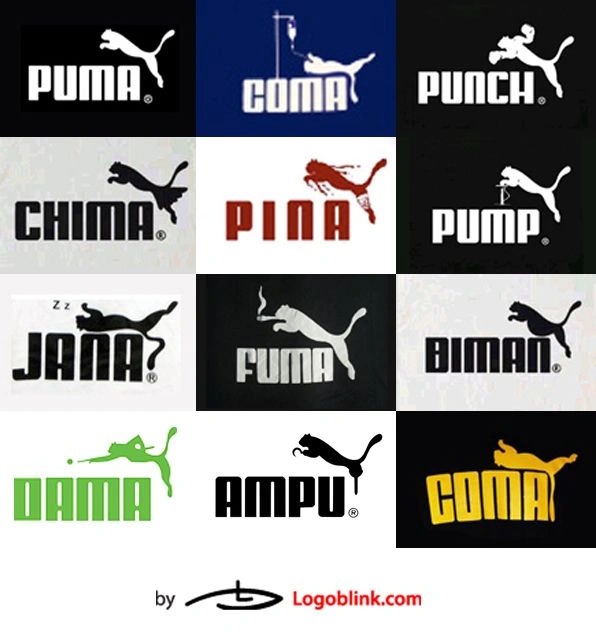
From the perspective of brands, dupe culture presents a complex challenge. Traditional intellectual property frameworks rely on clear boundaries between original and imitation products; but as dupe products proliferate in legal grey zones, mimicking silhouettes, styles and aesthetic cues without using trademarked logos, it becomes harder to delineate where inspiration ends, and infringement begins. Recent disputes in the fashion industry have highlighted this ambiguity, with high-profile cases involving European retailers producing items that closely resemble iconic designs without violating specific trademark elements.
Interestingly, some brand strategists have responded not with litigation but with creative engagement. A rising number of established fashion and beauty labels are reframing the conversation around accessibility and storytelling, using dupe culture as an opportunity to emphasise quality, heritage and emotional resonance over mere visual similarity. Others have launched ‘dupe swap’ programmes, inviting consumers to trade imitations for authentic wares in an effort to shift perception and foster loyalty.
Social Media and Moral Rationalisation
The role of social media cannot be overstated. Influencers and digital creators are among the principal vectors through which dupe culture spreads. In some cases, creators openly promote imitation goods as budget-friendly alternatives, normalising their consumption and blurring lines between marketing and personal endorsement. Research into this phenomenon points to a troubling trend: dupe influencers may inadvertently facilitate the proliferation of counterfeits by capitalising on trust and social capital to legitimise ethically dubious purchases.
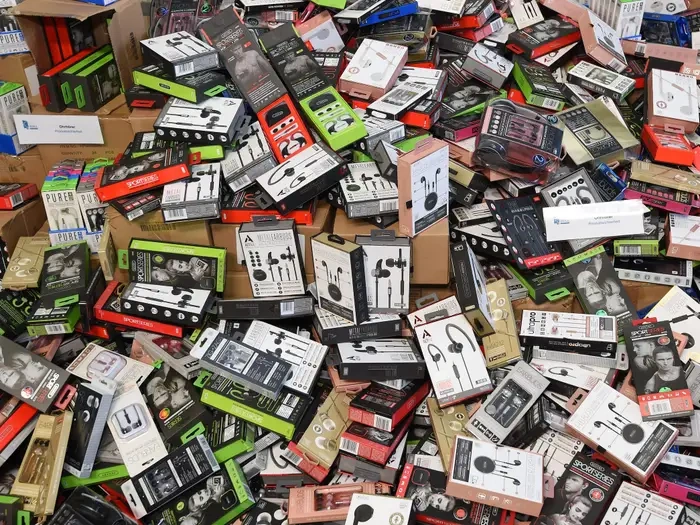 The ethical implications are significant. While economic necessity drives some consumers towards dupes, others are complicit in broader systems of labour exploitation and intellectual property theft. Critics argue for heightened consumer education, stronger platform regulation and the adoption of digital verification technologies to mitigate harm
Beyond the Surface of Imitation
The obsession with dupes, fakes and counterfeits in pop culture is not simply a matter of market mechanics or fashion trends. It is a cultural grammar through which contemporary subjects negotiate questions of value, authenticity, aspiration and identity. Whether celebrated as savvy consumption or critiqued as moral compromise, imitation goods reveal the fraught terrain of desire in a globalised, digitally mediated marketplace. Reflecting on this phenomenon invites us to interrogate not only what we buy, but what we believe those purchases say about who we are.
#DupeCulture #FakeVsReal #CounterfeitTalk #BrandEthics #ConsumerCulture
