Kremlin: We were never friends with Orban after Hungary's election defeat

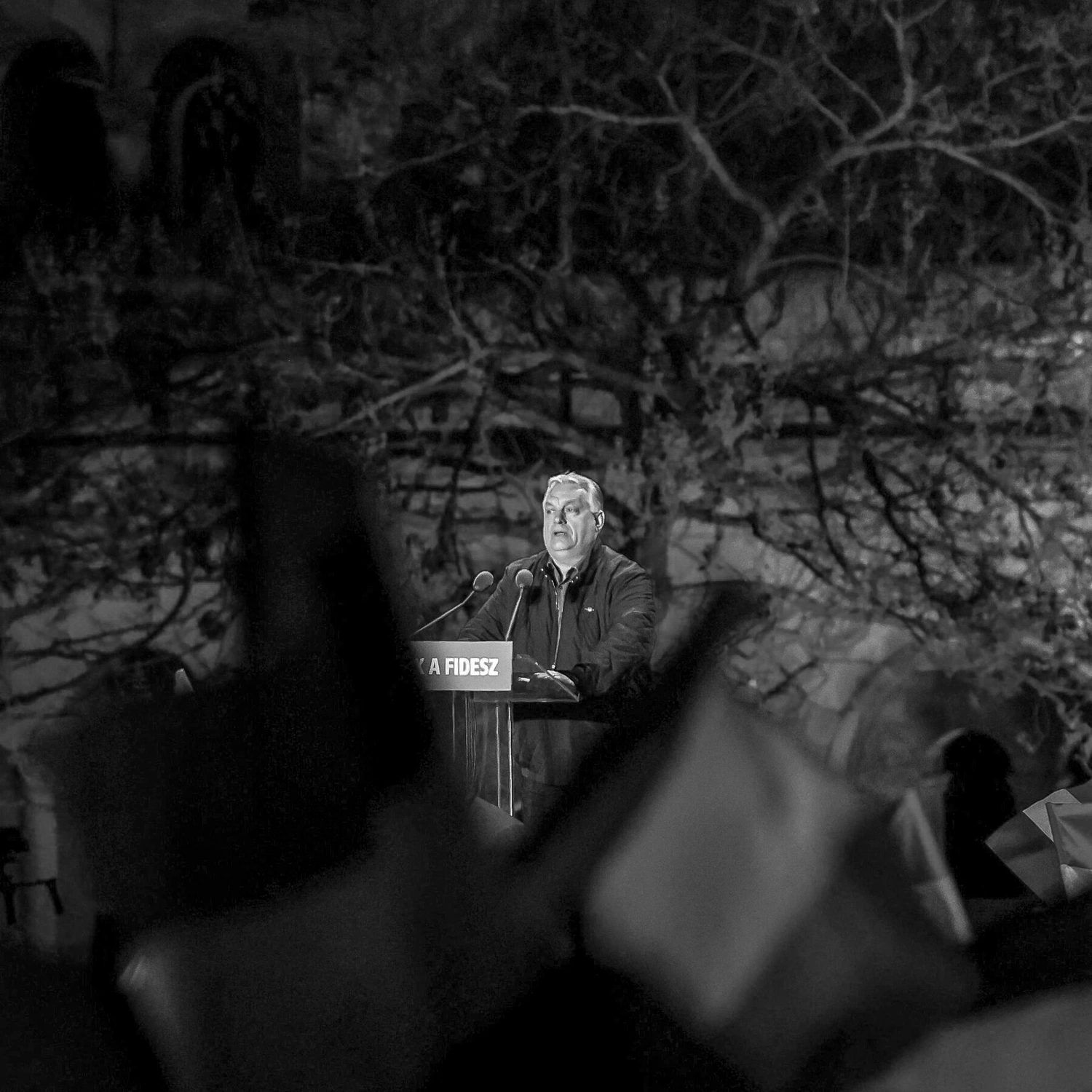
Kremlin: We were never friends with Orban after Hungary's election defeat
Moscow signals distance as Hungary shifts toward a pro-EU government, amid Orban's defeat and rising questions about Russia-Hungary ties.
Hungary has elected a pro-EU successor, ending Viktor Orban’s 16-year rule and setting the stage for a new chapter in European politics. A landslide victory for Peter Magyar and his centre-right Tisza party signals voters’ appetite for stronger ties with Brussels and a more hawkish stance toward Moscow on some policy fronts. The outcome injects uncertainty into how Budapest will balance its energy needs, economic interests, and security commitments as the war in Ukraine continues to shape EU dynamics.
We were never friends with Orban. That line from the Kremlin underscores a deliberate distancing as Moscow braces for a potentially nuanced relationship with Hungary’s incoming government. Moscow has said it will seek to sustain pragmatically minded engagement, even as the political landscape in Budapest shifts away from Orban’s long-running approach. While ties with Hungary have been practical at times—ranging from energy projects to political dialogue—the new administration could recalibrate the tempo and tone of cooperation with Russia, depending on Budapest’s post-election priorities.
Historically, Orban’s government cultivated closer links with Moscow, including allowing energy cooperation that benefited Russia and resisting EU-wide sanctions against Moscow. He also played a controversial part in blocking a substantial EU loan intended for Ukraine, arguing Kyiv’s handling of the Druzhba pipeline and oil deliveries complicated Hungarian interests. The new administration’s stance on Russia and Ukraine aid will be pivotal as Europe grapples with ongoing security, energy, and financial pressures amid the war and its aftershocks.
Looking ahead, the Kremlin’s cautious messaging suggests Moscow intends to preserve channels with Budapest while acknowledging the political mandate of Hungary’s new leadership. For Kyiv and Brussels, Hungary’s next steps will be watched closely for signals about regional alignment, energy security, and support for Ukraine. As Budapest redefines its foreign policy orientation, observers will be watching to see whether the relationship with Moscow becomes more pragmatic, more selective, or stays the same in substance with a different diplomatic face.
