Japan-China Taiwan Row Escalates as Tokyo Defends Taiwan

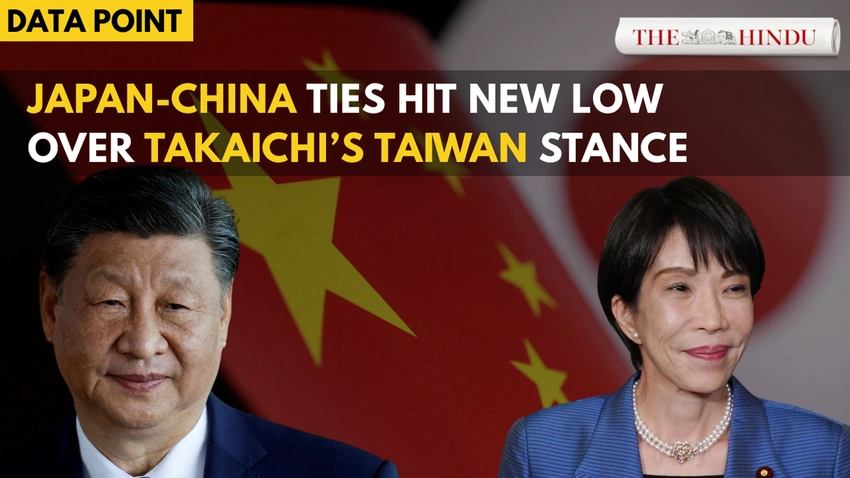
Japan-China Taiwan Row Escalates as Tokyo Defends Taiwan
Tokyo frames Taiwan as critical to its supply chains, while China pauses cultural exchanges; the fallout spans diplomacy, economy, and culture in East Asia.
Japan's prime minister Sanae Takaichi labeled a potential conflict in Taiwan a "Survival-Threatening Situation," a phrase that has set off East Asia's biggest diplomatic flare-up in years. She frames the Taiwan Strait not just as a political flashpoint but as a critical artery for Japan's semiconductor supply chains and energy routes. Beijing's response has been swift: freezing cultural exchanges and taking up the issue at the United Nations. The move marks a shift from cautious diplomacy to a tougher posture, with Tokyo signaling that Taiwan's fate matters for Japan's economic and strategic security.
Analysts say the comments could redraw how regional powers balance security guarantees with economic ties. China, long a linchpin in Japan's trade and rare-earth supply chain, may tighten its grip on those levers in response, while Tokyo pledges to defend what it calls vital interests in the Taiwan Strait. The potential clash in the waters near Taiwan could ripple through supply networks that feed everything from chips to energy infrastructure, complicating corporate planning across the region.
Cultural exchanges, once a soft-power bridge, are already feeling the chill. Beijing's retaliation has included pulling back on cultural programs, with Japanese performances canceled in Shanghai, a signal that diplomacy is being fought not just in parliaments and summits but on stages and in concert halls. The move has drawn criticism and nationalist sentiment, underscoring how the latest standoff is touching ordinary people and artists alike.
The broader international dimension is clear: if tensions escalate, the United States and other allies could increasingly view Taiwan as a theater for shaping regional security architectures. UN discussions and multilateral diplomacy could become pivotal as both Tokyo and Beijing weigh risks to trade, technology access, and regional stability. For now, the crisis serves as a stark reminder that Taiwan remains the linchpin of East Asian security, with implications for semiconductor supply chains, energy routes, and even cultural exchange.
As events unfold, observers say the key question is whether dialogue can outpace deterrence, and whether economic incentives can bridge the deep strategic fault lines between Tokyo and Beijing.
Cover image source: Japan-China row: The high stakes of Takaichi’s stance on Taiwan 🔗
