Why Love’s Opposites Attract, Then Accidentally Torment Each Other

Why Love’s Opposites Attract, Then Accidentally Torment Each Other
Ever wondered why you or your friends keep falling for people who pull away, or get stifled by clinginess? It's the anxious-avoidant trap. Understand this common relationship dynamic.
The Love Trap: When Opposites Attract, Then Torment Each Other
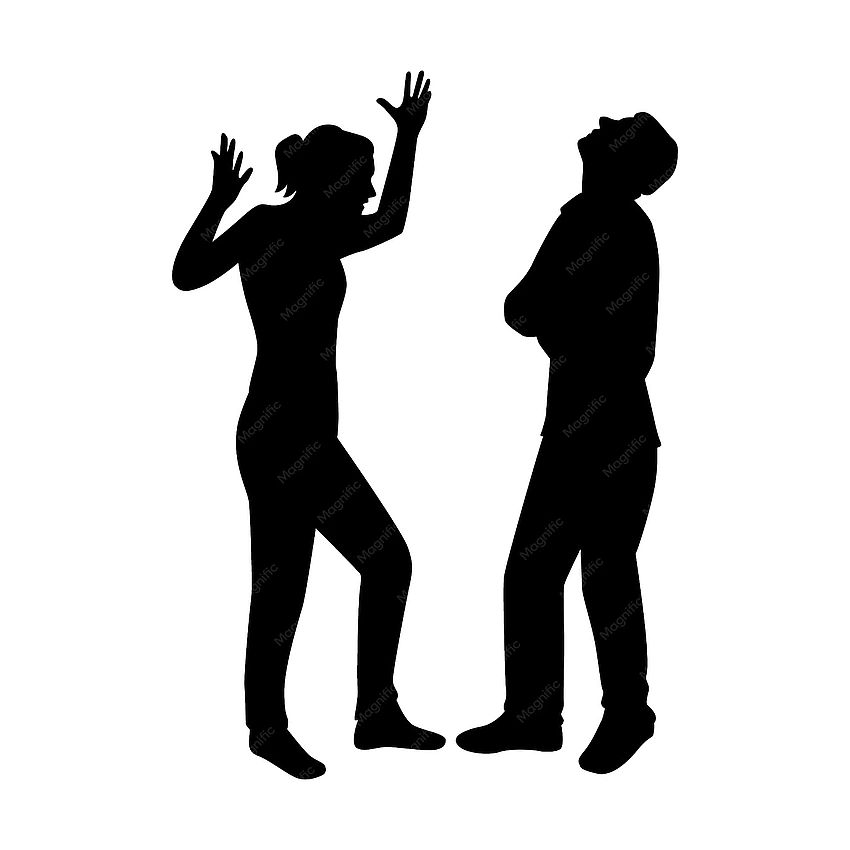
Have you ever noticed how some people seem to be drawn, almost magnetically, to partners who are their complete emotional antithesis? The person who craves constant reassurance finds themselves with someone who needs immense space.
The one who thrives on deep intimacy is inexplicably drawn to someone fiercely independent.
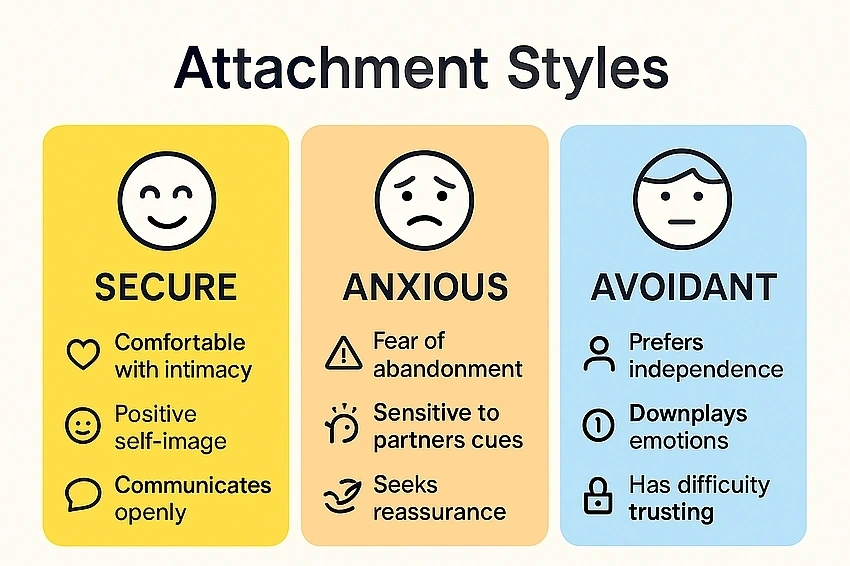
It's often the “anxious-avoidant trap,” a common and often painful dynamic rooted in our fundamental attachment styles.
The Unseen Pull of Familiarity
Why this seemingly contradictory pairing? It's a primal dance. The anxious partner, operating from a fear of abandonment, sees the avoidant's independence as a sign of strength, a rock to lean on.
The avoidant, fearing engulfment, finds the anxious partner's initial warmth and attention validating, but safely distant enough not to feel suffocating, at first . Both subconsciously choose what feels familiar, echoing unresolved emotional patterns from childhood. It's not about what's healthy, but what resonates with deeply ingrained expectations.
The Push-Pull Tango
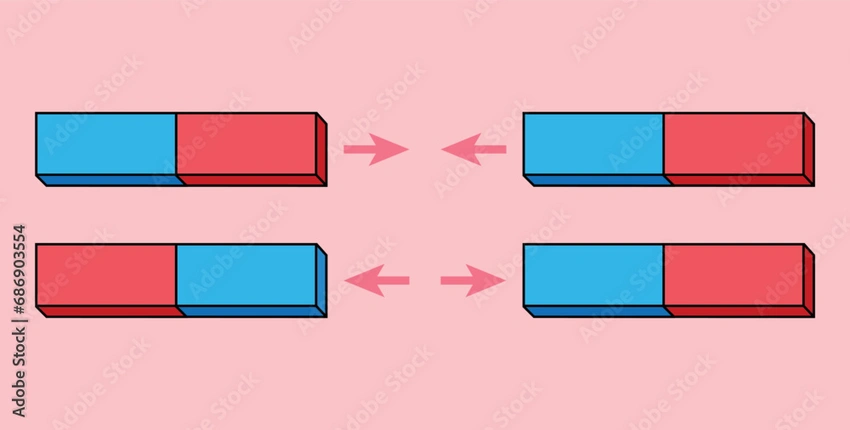
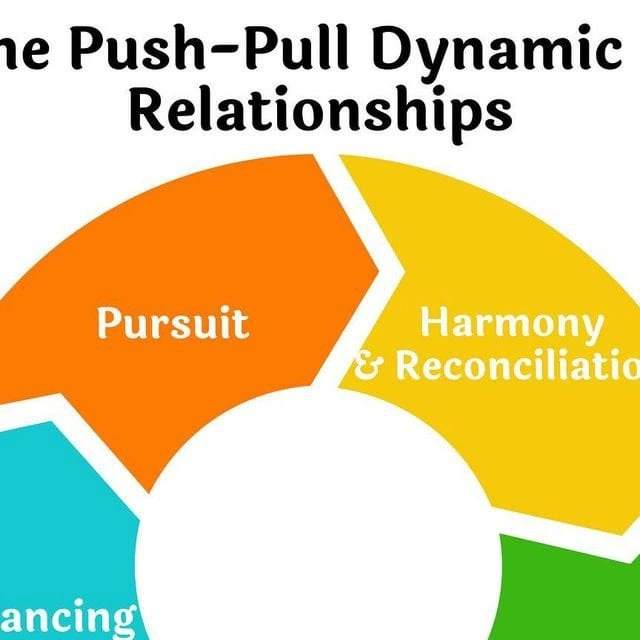
The initial attraction quickly gives way to a painful cycle. The anxious partner, seeking connection, reaches out more, feeling the avoidant's distance keenly. This pursuit, however, triggers the avoidant's deepest fear- loss of independence and engulfment- causing them to withdraw further.
As Dr. Amir Levine and Rachel Heller explain in their seminal book, “Attached,” this creates a reinforcing loop:
The more the anxious partner pursues closeness, the more the avoidant partner retreats, and the more the avoidant partner retreats, the more the anxious partner pursues.
It's a relationship built on longing and evasion, where neither feels truly seen or secure.
The anxious person feels abandoned and starved of intimacy, while the avoidant feels suffocated and misunderstood.
Breaking the Cycle of Misunderstanding
So, how do we escape this accidental torment? The first step is awareness.
Recognizing your own attachment style, anxious, avoidant, or secure, and that of your partner is crucial.
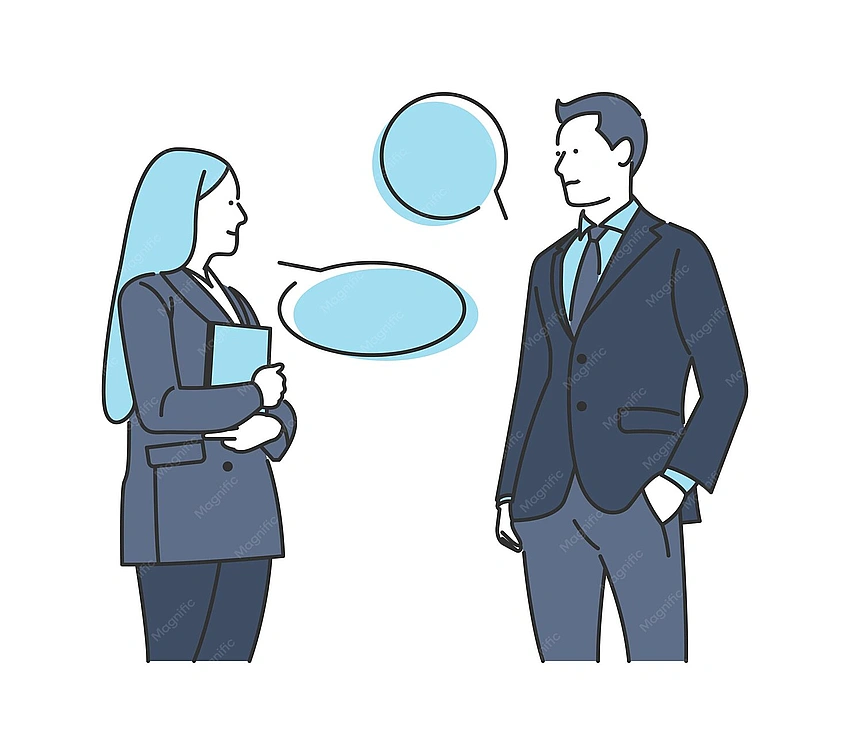
This understanding shifts the blame from character flaws to ingrained relational patterns. It's about how our default settings interact.” Effective communication, perhaps with the help of a skilled therapist, can then begin to bridge the gap.
Towards a More Secure Connection
Ultimately, breaking free from the anxious-avoidant trap means consciously choosing to rewrite old scripts. For the anxious partner, it involves learning to self-soothe and trust that space isn't abandonment.
For the avoidant, it means practicing vulnerability and understanding that closeness doesn't equal suffocation.
It's a journey towards developing a more 'secure attachment,' where intimacy feels safe and independence is respected. This conscious effort, rather than unconscious programming, can transform a cycle of pain into a partnership of genuine understanding and mutual growth. It's not easy, but isn't true connection worth the effort?