UNGA 81: A Critical Juncture Amidst Global Crises & Calls for Reform!

UNGA 81: A Critical Juncture Amidst Global Crises & Calls for Reform!
The 81st UN General Assembly convenes with a heightened sense of urgency as global conflicts surge and superpower tensions fray multilateralism. Is the UN ready to adapt?
The 81st session of the United Nations General Assembly (UNGA) is proving to be far more than just another annual gathering of world leaders. This year, there’s a palpable sense of urgency, especially as it marks the final session for UN Secretary-General (UNSG) António Guterres, whose tenure has been defined by an unprecedented number of global crises.
From widespread conflicts across 35 countries in 2025—the highest since 1946—to devastating climate disasters, pandemics, and the rise of artificial intelligence, the world faces myriad challenges. This backdrop highlights a United Nations that, at 81, appears to be 'overweight, weak, and unrepresentative' due to growing polarization, superpower violations of its charter, nuclear threats, and unilateral sanctions.
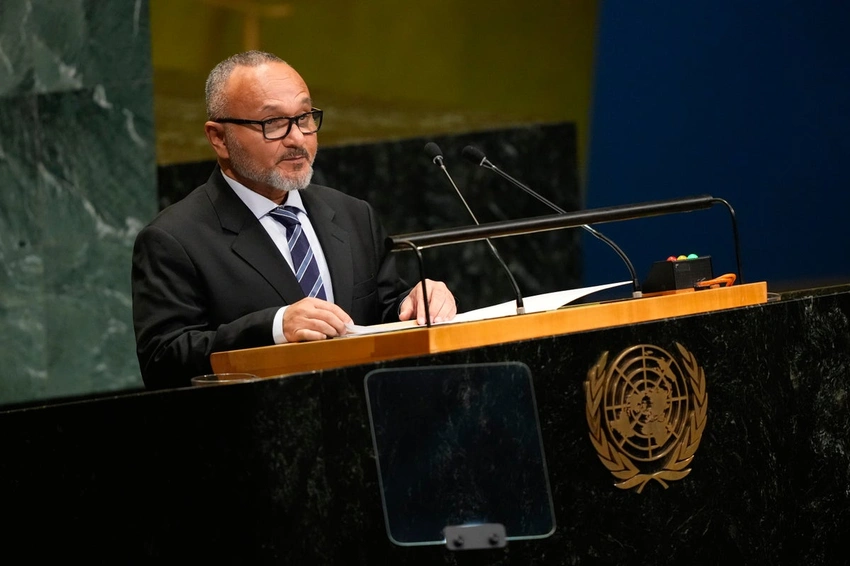
This makes the 81st session a pivotal moment for the world to advocate for a strengthened and reformed UN, especially as it moves towards selecting the next UNSG. A significant development for South Asia is the election of Bangladesh’s Foreign Minister Khalilur Rahman as the President of this UNGA session, tasked with overseeing the UNSG selection process.
However, the session wasn't without its tensions.
Powerful leaders often exacerbated the rancor. U.S. President Donald Trump, for instance, spoke of the potential "annihilation" of Iran and defended U.S. actions in Venezuela, also making eyebrow-raising claims about negotiating peace in conflicts including the 2025 India-Pakistan four-day war.
Iranian President Masoud Pezeshkian retaliated with strong condemnations of the U.S. and Israel, while the Russian President notably skipped the session, and the U.S. denied visas to the Palestinian delegation.
Amidst this, an initiative led by the European Union and others, co-sponsored by India, aimed to foster a 'Partnership for Multilateralism (P4M)' to move beyond superpower hegemony. For India, the session was significant as the Narendra Modi government launched a campaign for a second non-permanent term on the UN Security Council in 2028-29. Surprisingly, Mr.
Modi chose to skip his UNGA speech and side-line multilateral summits this year, despite recently hosting the Delhi BRICS Summit.
Nonetheless, India's voice, advocating for a rules-based international order grounded in the UN Charter, diplomacy, and dialogue, is deemed more crucial than ever in a world grappling with warmongering.
