US-Iran Talks on Brink as Oman Move Sparks Dispute

US-Iran Talks on Brink as Oman Move Sparks Dispute
Tensions rise as Washington rejects moving talks to Oman without Arab states, narrowing the agenda to Tehran's nuclear program.
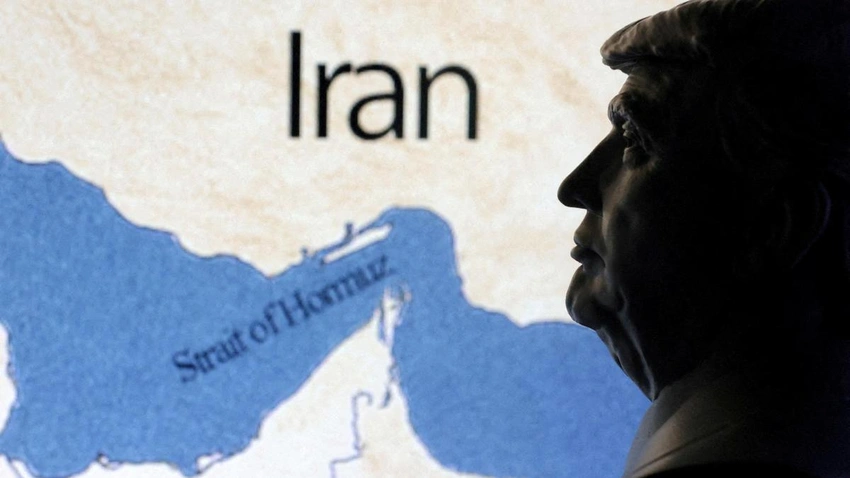
Talks between the US and Iran, scheduled for Friday in Turkey with Arab states expected at the table, appear to be at risk of collapse after Washington rejected Tehran's demand to move the talks to Oman and to keep the agenda tightly focused on the nuclear program. Iran has signaled that the discussions should be limited to its nuclear activities, and has insisted that other issues, including Tehran's ballistic missile program, be kept off the table for the time being.
Iran wants Oman as the venue, saying that is where most prior rounds were held. The Tehran leadership has pressed for a venue shift, hinting that a new format is needed to make progress. In a development line, it has been reported that Steve Witkoff, Trump’s special envoy, would travel to Doha and then return to Washington without meeting Iranian representatives. Iran had previously believed Jared Kushner and Witkoff would push the Turkish plan aside. The US, meanwhile, has signaled it is prepared to engage but insists any talk should lead to tangible steps on a broader package, including the range of Tehran's ballistic missiles.
US officials have underscored the broader strategic context, including an active naval presence in the region. The US administration has said it is ready to engage, but for negotiations to yield real results, topics beyond nuclear constraints must be addressed. As the discussions unfold, observers note that the role of Arab states in the process and the choice of venue could be as telling as the substance of any potential agreement. It remains unclear whether mediators can bridge the gaps or if this is brinkmanship intended to test patience and leverage.
