Curiosity Discovers Organic Molecules on Mars, Hinting at Past Life

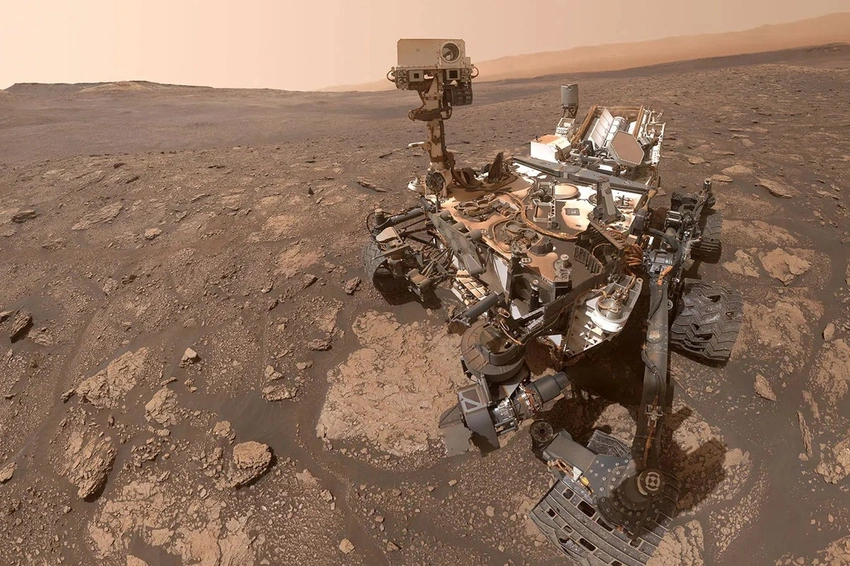
Curiosity Discovers Organic Molecules on Mars, Hinting at Past Life
New clues from the Curiosity rover reveal organic compounds in an ancient Martian crater, renewing the conversation about Mars' habitability long ago.
A batch of organic molecules has been spotted by the Curiosity rover in an ancient Martian crater, marking a fresh milestone in the hunt for life on the Red Planet. The discovery centers on carbon-based compounds that could be preserved in minerals, hinting at Mars' chemical richness billions of years ago.
While these organics are not life themselves, their presence suggests a habitable environment existed on Mars in the distant past. Estimates place this era around the time Earth life began, roughly 3.5 to 4 billion years ago, reinforcing the idea that Mars once hosted the chemistry that can lead to life.
Scientists caution that more work is needed to rule out non-biological origins and to confirm the signals are not from contamination or geological processes. The finding opens new questions about how Mars evolved and what future missions might search for in deeper layers or different locations.
The results energize the space community and the public imagination, underscoring the value of robotic explorers in reshaping our understanding of where life could arise in the universe. As missions continue, researchers expect sharper tests and perhaps clearer answers about Mars' long-ago habitability.
