Manipur CM calls talks with Kuki-Zo Council a positive beginning for peace

Manipur CM calls talks with Kuki-Zo Council a positive beginning for peace
Manipur seeks to bridge trust with Kuki-Zo after talks in Guwahati; IDPs still unable to return home amid security concerns.
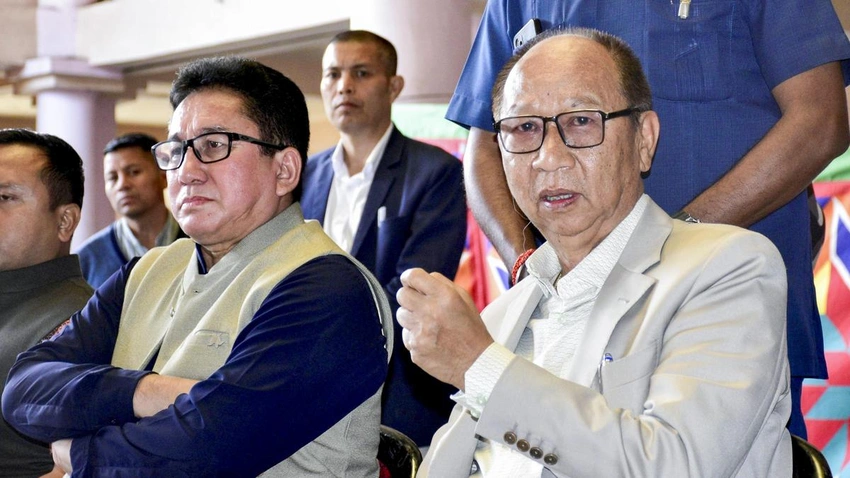
Manipur Chief Minister Yumnam Khemchand Singh on Sunday said that his meeting with leaders of the Kuki-Zo Council in Guwahati was a positive first step toward rebuilding trust between the Kuki-Zo and Meitei communities. Speaking to reporters in Imphal, he said the two sides need to \"forgive and forget\" to help restore normalcy in a state where more than 260 people have died since violence erupted in May 2023. He added that internally displaced persons are still unable to return to their native villages, a sign that wounds from the conflict remain fresh. He warned that fear continues to affect movement, especially along National Highway 2 linking Imphal with Kohima, and asked how long central forces can keep guarding people before residents are allowed to move freely.
Singh stressed there is no official buffer zone between territories dominated by the two communities, but identified zones are being designated for security purposes. He said the central government has assured Manipur that its territorial integrity will not be compromised and that the centre supports building a lasting peace framework. The CM called the meeting with the Kuki-Zo Council a \"good beginning\" and said it could pave the way for more exchanges aimed at bridging the trust deficit and bringing a tangible end to the violence that has disrupted life for years. He also indicated that the law-and-order situation along key routes has improved, though the full return of normalcy depends on sustained political and social healing.
Earlier, the event was described as the first peace outreach in Manipur in three years, signaling a potential shift in how the government and local communities approach reconciliation. The ongoing dialogue comes as security officials and local leaders weigh steps to reduce tension and prevent a relapse, with many residents watching for concrete actions that translate into safer streets, open livelihoods, and restored mobility across the state.
