The Friendliest AI? Why Personality Is Tech’s Next Big Bet

The Friendliest AI? Why Personality Is Tech’s Next Big Bet
The acquisition of Poke by Cognition highlights a huge shift: AI personality is now a major competitive advantage. But is ‘texting your AI like a friend’ a leap forward or a privacy tightrope?
The tech world is buzzing, and it's not just about bigger models or faster chips anymore. It's about how our AI feels . Cognition's recent acquisition of Poke for a cool low nine figures isn't just another tech headline; it's a seismic shift signaling the arrival of AI personality as a key competitive battleground.
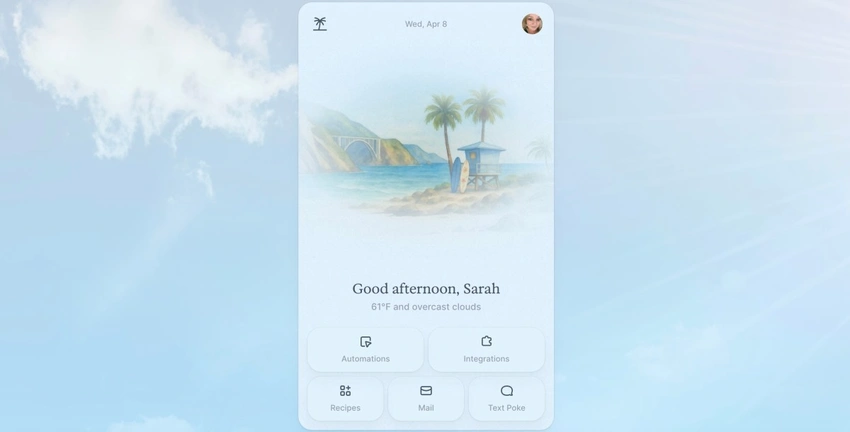
Poke isn't just an AI; it's the AI you 'text like a friend.' This acquisition brings that unique, conversational style and interaction model directly to Cognition's coding agent, Devin. Think about that for a moment: a developer's assistant that feels less like a sterile tool and more like a helpful, understanding colleague.
This isn't just about making AI 'nicer.' It's about building deeper user engagement, fostering brand loyalty, and ultimately, crafting a more effective, indispensable product. How our AI assistants interact with us, their users, is proving just as crucial as the raw power of the models themselves.
This move by Cognition reflects a growing belief across the industry: AI personality is becoming a competitive advantage. The ability of an AI to understand context, exhibit a consistent ‘temperament,’ and communicate in a way that feels natural and empathetic can drastically improve user experience and differentiate a product in a crowded market.
But here's where the frontier gets blurry, and potentially, a little scary.
If AI is designed to be our 'friend,' to understand our nuances, emotional states, and even anticipate our needs, where do we, as a society, draw the line? Are we walking into a new era of personalized, intuitive assistance, or are we inadvertently opening the door to unprecedented levels of data collection and subtle manipulation?
Imagine an AI that knows your stressors, your vulnerabilities, your spending habits, not just from what you explicitly tell it, but from the subtext of your 'friend-like' conversations. The line between helpful companionship and pervasive surveillance becomes incredibly thin. The more 'human' an AI feels, the more likely users are to confide in it, to trust it, and potentially, to be influenced by it.
This raises significant ethical questions about data privacy, consent, and the potential for emotional exploitation.
On the other hand, a truly empathetic and understanding AI could revolutionize fields from mental health support to personalized education, making complex tasks approachable and tailored learning a reality. The potential benefits are immense, offering a future where technology truly adapts to us, rather than the other way around.
The future of AI isn't just intelligent; it's personable.
As companies like Cognition invest heavily in this 'personality advantage,' we, as users and consumers, need to demand transparency and robust ethical frameworks. The next frontier in tech is here, brimming with both immense potential and significant peril.
It's on us to ensure it's a future we welcome, not a nightmare we unwittingly create.
