Ambiguous Desire By Arlo Parks: Nightlife, Noise, and the Interior

Ambiguous Desire By Arlo Parks: Nightlife, Noise, and the Interior
Ambiguous Desire By Arlo Parks: Nightlife, Noise, and the Interior
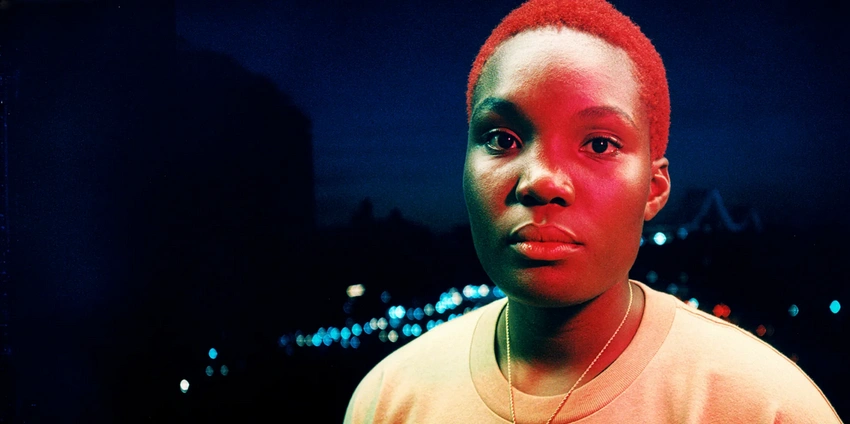
Arlo Parks' Ambiguous Desire shifts from bedroom whispers to dancefloor throb, fusing house, garage, and techno while keeping her signature stillness at the center. A grounded, luminous move.
Arlo Parks has always written like someone eavesdropping on her own feelings. What makes Ambiguous Desire (2026) striking is not that this impulse disappears, but that it is relocated. The bedroom is abandoned for the dancefloor, and yet the emotional temperature remains eerily consistent. This is not reinvention so much as displacement: intimacy refracted through basslines.
The album arrives after the soft-rock melancholy of Collapsed in Sunbeams and the more outward-facing My Soft Machine, but here the shift feels infrastructural. The sonic palette expands into house, garage, and techno, drawing from club cultures in New York and London. What emerges is a body of work that pulses with motion while refusing to abandon stillness.
The Dancefloor as Text
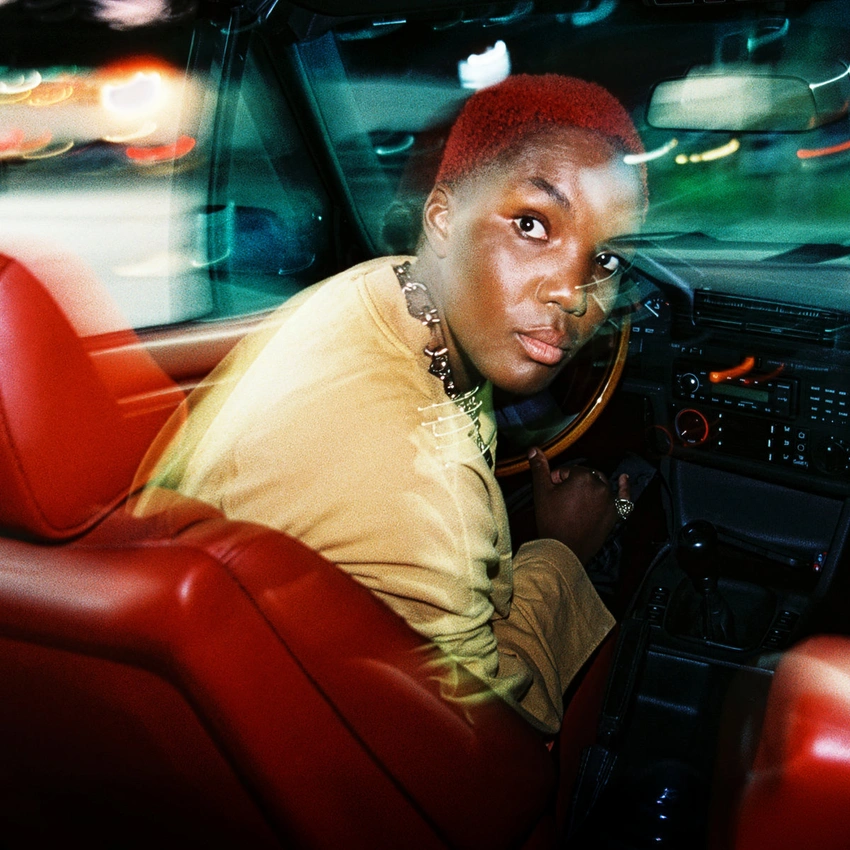
The most immediate shift is sonic. Breakbeats skitter, basslines swell, and tracks like “Heaven” and “Jetta” build toward euphoric release without quite surrendering to it. The architecture of dance music is present, but its catharsis is restrained.
This restraint matters. Where conventional dance records pursue obliteration or transcendence, Ambiguous Desire lingers in the in-between. The drop never fully erases the self; instead, it intensifies it. Even at its most kinetic, the album feels like a conversation held in the corner of a crowded room.
There is a sense that nightlife here is less about spectacle and more about delayed adolescence. Parks, having missed the chaos of early youth due to rapid success, approaches the club not as a hedonistic space but as an archive of feeling. The dancefloor becomes a site of study, where bodies move but the mind annotates.
Writing Desire, Carefully
Lyrically, the album sharpens rather than expands. The language is pared down, more direct, less ornamental than before. Where earlier work occasionally leaned into poetic excess, here the lines feel edited for clarity, almost wary of themselves.
Desire, as the title suggests, is not triumphant. It is ambiguous in the strictest sense: uncertain, unresolved, often uncomfortable. Songs circle around connection without fully landing on it. There are fragments of relationships, traces of grief, moments of self-doubt that resist closure.

Tracks like “Beams” and “Senses” dwell in vulnerability, exploring mental health, intimacy, and the quiet violence of self-perception. What is notable is how these themes are embedded within the sonic movement of the album. The emotional arc does not sit above the music; it is carried by it, diffused through rhythm.
Between Euphoria and Comedown
A persistent tension structures the album: euphoria versus aftermath. The music gestures toward release, but the lyrics pull back into reflection. This oscillation produces a peculiar emotional texture, one that feels suspended rather than resolved.
There are moments that gesture toward transcendence, but they are fleeting. A chorus might swell, a beat might drop, but the emotional register remains grounded, even bruised. The result is an album that feels lived-in rather than performed.
This is perhaps why the record resists easy categorisation. It is not quite a dance album, nor entirely an introspective one. Instead, it occupies a liminal space where movement and memory intersect. Even at its most expansive, there is a sense of containment, as though the music is aware of its own limits.
Collaboration and Texture
The collaboration with Sampha on “Senses” is emblematic of the album’s ethos. Their voices do not compete but coexist, tracing parallel lines of vulnerability. The track becomes less a duet and more a shared interior space.
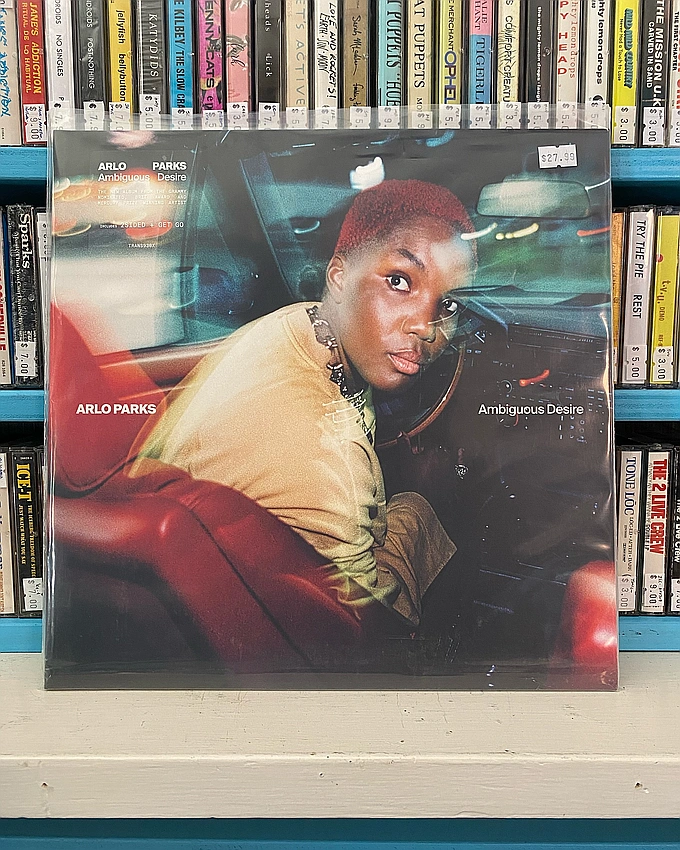
Production-wise, the involvement of Baird introduces a textural richness that complements Parks’ restraint. The beats are detailed without being overwhelming, allowing the vocals to remain central. This balance is crucial. The album never feels like it has been overtaken by its own sonic ambitions.
A Controlled Evolution
It would be tempting to describe Ambiguous Desire as a radical departure, but that would be misleading. The core of Parks’ work remains intact: an attention to feeling, a commitment to emotional specificity, a refusal of irony. What changes is the environment in which these qualities are expressed.
The move toward dance music does not dilute her voice; it reframes it. If anything, the contrast between the introspective lyrics and the kinetic production heightens their impact. The listener is caught between movement and reflection, unable to fully settle into either.
At times, this carefulness borders on over-control. The album rarely risks chaos, even when it gestures toward it. Yet this restraint also becomes its defining feature. It is an album about desire that never quite lets itself go, and in that hesitation lies its coherence.
Ambiguous Desire feels like standing still in a moving crowd. It is an album that understands the allure of losing oneself but remains committed to the act of observation. The dancefloor is not an escape but a lens, refracting the same questions that have always animated Parks’ work.
In this sense, the album does not resolve ambiguity; it inhabits it. And perhaps that is its most honest gesture.
