India Rejects IMF’s ‘Second-Tier’ AI Label at Davos, Showcases Leadership

India Rejects IMF’s ‘Second-Tier’ AI Label at Davos, Showcases Leadership
At Davos, Ashwini Vaishnaw counters IMF AI rankings, highlighting India's broad AI diffusion and leadership across tech and renewable energy sectors.
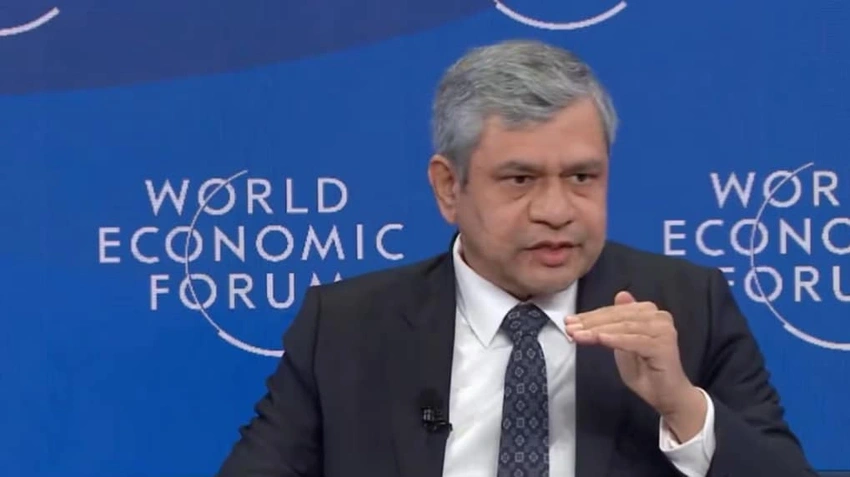
India took center stage at Davos with a clear message: do not underestimate the country’s AI ambitions. Ashwini Vaishnaw, the union minister overseeing electronics and information technology, countered the IMF's characterization of India as a 'second-tier' AI power and asserted that India belongs in the leading camp. The minister pointed to India’s robust AI ecosystem and its rapid diffusion across industries as evidence of true capability.
Vaishnaw also leaned on widely recognized benchmarks, including Stanford rankings, to bolster India’s case for being a pivotal player in AI development. He argued that India’s strength lies not just in cutting-edge research but in broad-based adoption that touches everyday services and public goods. He highlighted a five-layer AI architecture, with the application layer identified as a critical frontier for global service provision and meaningful economic returns.
Beyond technology, the minister framed Davos as a platform for idea exchange rather than a venue for formal trade negotiations. He stressed that India is actively engaging with global economies on multiple fronts, with the country’s growth trajectory and renewable energy initiatives at the forefront of discussions. The overarching message: India aims to lead in inclusive growth through technology, while strengthening international collaborations across sectors.
The Davos appearance underscored a broader narrative: while rankings can shape perceptions, real progress will be measured by how widely AI is deployed, how responsibly it is used, and how it contributes to fair growth and energy transition. Vaishnaw’s remarks align with a push to position India as a global partner in technology-enabled development and energy resilience.
