The Death of Subculture in the Age of Infinite Feeds

The Death of Subculture in the Age of Infinite Feeds
The Death of Subculture in the Age of Infinite Feeds
An essay on how online aesthetics replace durable subcultures, turning shared spaces into endless micro-identities. It asks what belonging means when communities dissolve into streams.
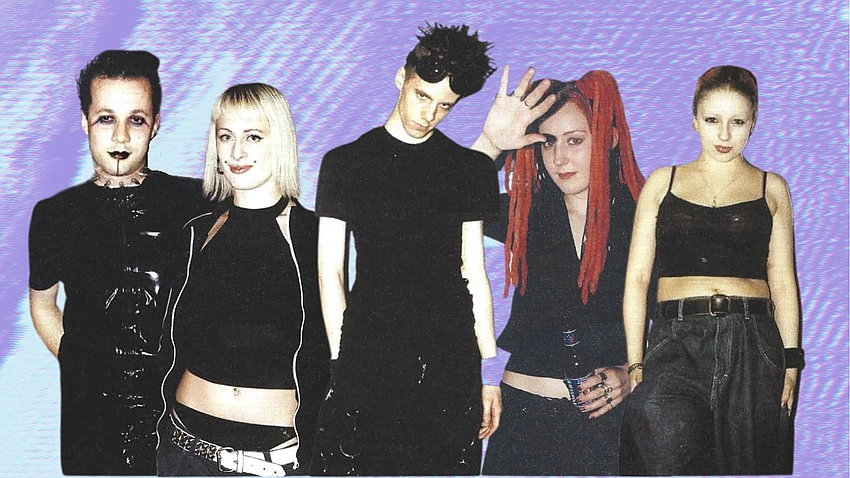
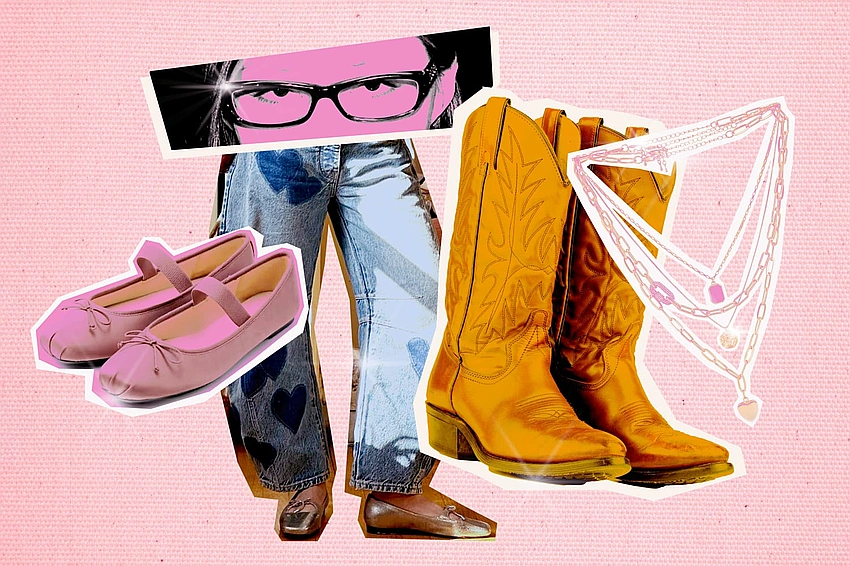
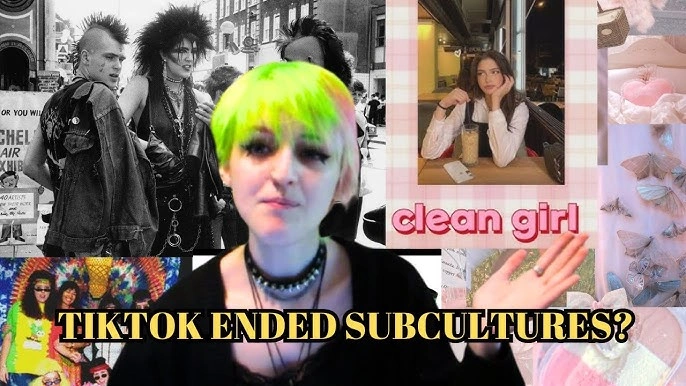
There is a small, private mourning that takes place whenever I scroll past another invented aesthetic: the sun-bleached, cottagecore-adjacent kitchen; the retro-scanner cybergrunge collage; the new-and-immediately-vanished "soft-nihilism" moodboard. Each microtrend arrives fully formed, performs its essence, and dissolves into the stream. What used to be called a subculture, a durable, shared set of practices, texts, spaces, and obligations, now looks more like a sequence of micro-identities: atomized styles that promise belonging but barely admit the friction of community.
From scenes to streams
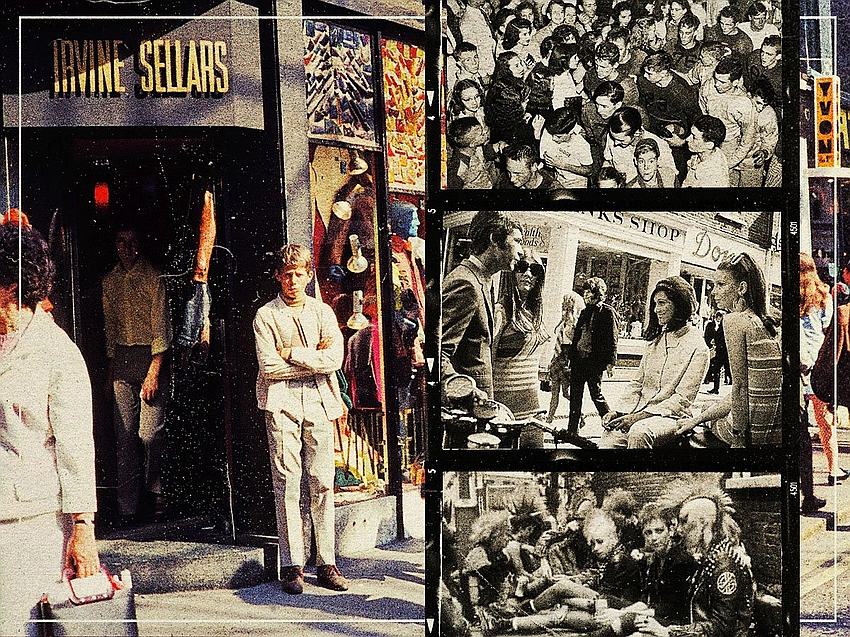
Historically, subcultures emerged in specific locales and time periods: neighborhoods, clubs, fanzines, record shops, and late-night conversations in cafés. Those infrastructures exacted a kind of investment. You learned codes by living within them; you burnt through contradictions and negotiated allegiance. The digital present substitutes none of that: instead of scenes, we get continuous, personalized flows of content that are optimized to keep attention, not to make durable commitments. Scholars who chart youth subcultures in the social-media era note this shift away from stable group formations to a proliferation of niche aesthetics and tastes that have shorter lifespans and weaker social glue. 1 🔗
Micro-identities: the atomisation of belonging
"Micro-identity" is a useful term for the new units of individuality: narrow, often performative signifiers that fit neatly into an algorithm's taxonomy. Where once you might have been a "skinhead" or a "punk" with a shared history and quarrels, at the present, one can be a "coquette" until lunch and a "caretaker goth" by evening, and both can be curated, monetised, and shelved by morning. Researchers argue that the internet has produced precisely this phenomenon, where a profusion of tiny, consumable identities replaces embedded, socially negotiated ones. The consequence is not simply variety; it is fragmentation: belonging that is fleeting and tailored to engagement metrics rather than obligations to others.
Algorithms as impresarios
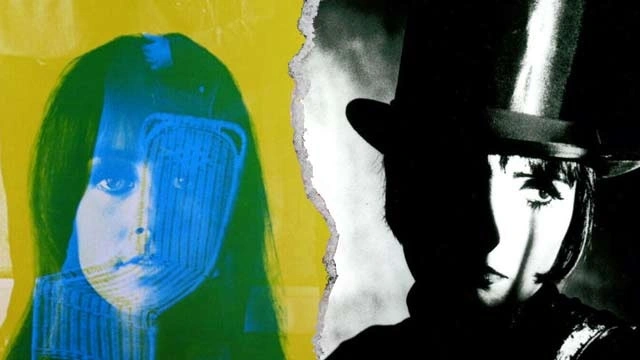
Algorithms don’t merely recommend content; they author an experience of selfhood. Recommendation systems model you as a collection of clicks, reactions and watch times and then feed back a version of yourself that is easier for the platform to monetise. Recent scholarship on the "algorithmic self" shows how these systems co-produce our sense of identity, offering a mirror that is shaped by commerce and optimisation rather than mutual recognition. The feed becomes an impresario that stages identities for an audience of one: visible, intensely curated, and ultimately interchangeable.
The illusion of choice
This is the paradox: the feeds offer endless choice, while narrowing the forms choice can take. Infinite scroll is designed to intoxicate with novelty, but novelty is not the same as emancipation. Studies of infinite-scroll interfaces and their psychological effects show how the design encourages surface engagement and the chasing of small affective payoffs over the labour of real collectivities. In other words, the architecture of modern platforms cultivates micro-identity as a psychological strategy rather than a communal project. The "freedom" to pick and switch individualities is therefore often a simulacrum of freedom, experienced as agency but tethered to algorithms.

The aesthetics-industrial complex
Aesthetic forms that survive feeds do so when they are legible to recommendation systems. Algorithms reward repeatable, recognisable patterns that can be packaged, tagged and monetised. As a result, aesthetic innovation is not necessarily extinguished but rerouted into formats that perform well on platforms: short loops, clear tropes, and highly replicable tropes. This remakes cultural labour; creators become curators of themselves, optimising the smallest vectors of identity for visibility, which in turn accelerates the disposability of those identities.
What survives?
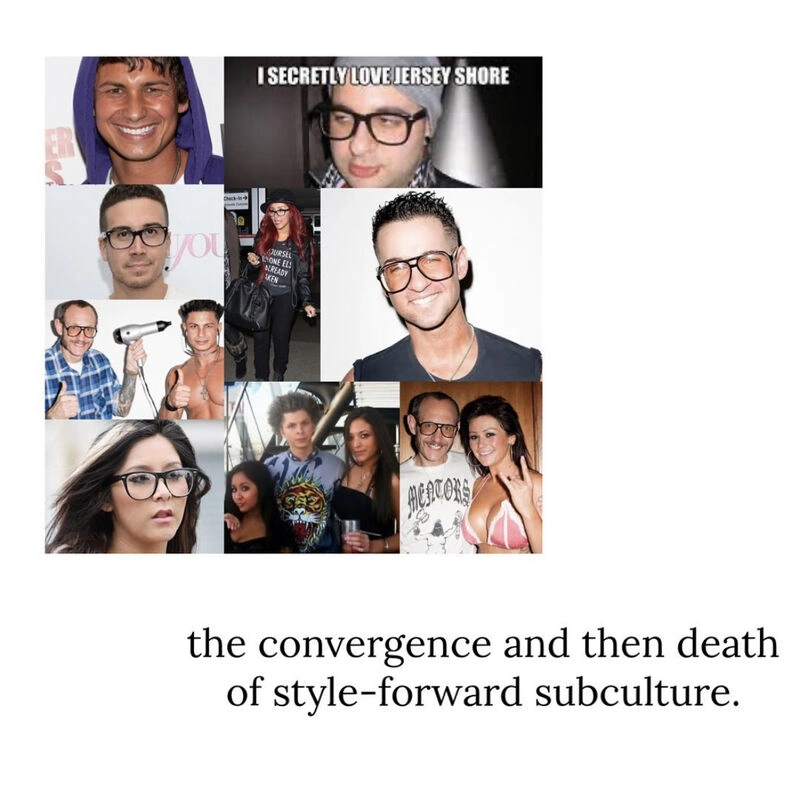
Not everything about subculture is dead. Durable friendships, slow knowledge, and offline practices still exist; small scenes persist in bodies and bricks. But the structures that made subcultures platforms of critique and sustained difference, such as local meeting places, slow media, shared opposition to mainstream norms, have been hollowed by the economics of attention. If subculture is to survive, it will have to do so in alliance with infrastructures that resist extraction: cooperatively run spaces, alternative distribution networks, or platforms designed for longevity rather than virality.
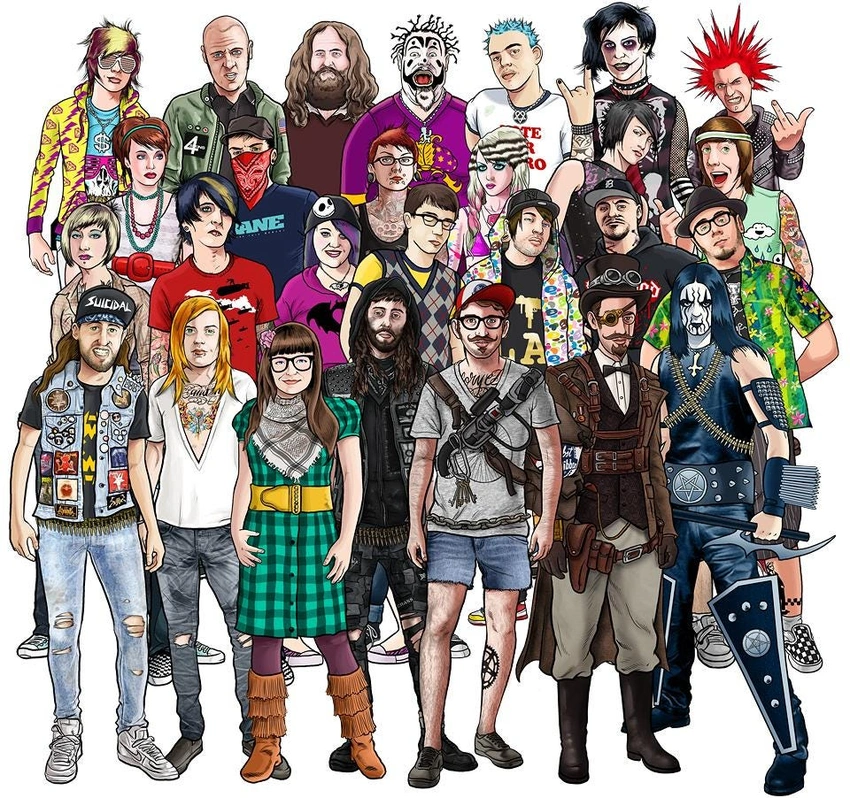
To say subculture is dead is melodramatic; it is better to say it is being unmade and reassembled into something less communal and more market-responsive. The immediate imperative, if we care about cultures that teach us how to belong to others, is to contest the architectures that render belonging a product for an individualized market. Otherwise, we risk a future where identity becomes chiefly a curated performance for an algorithm that is vivid, clickable, and, when the next trend arrives, utterly alone.
#Microtrends #DigitalCulture #Subculture #AestheticCritique #OnlineCommunity
