What If the Most Important Museum in Britain Is Full of Things You’d Find in Someone’s Drawer?

What If the Most Important Museum in Britain Is Full of Things You’d Find in Someone’s Drawer?
What If the Most Important Museum in Britain Is Full of Things You’d Find in Someone’s Drawer?
The Museum of Transology is preserving the tiny, deeply personal objects that official history might otherwise have forgotten.
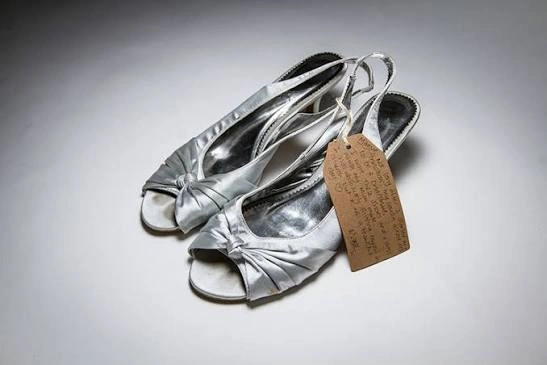
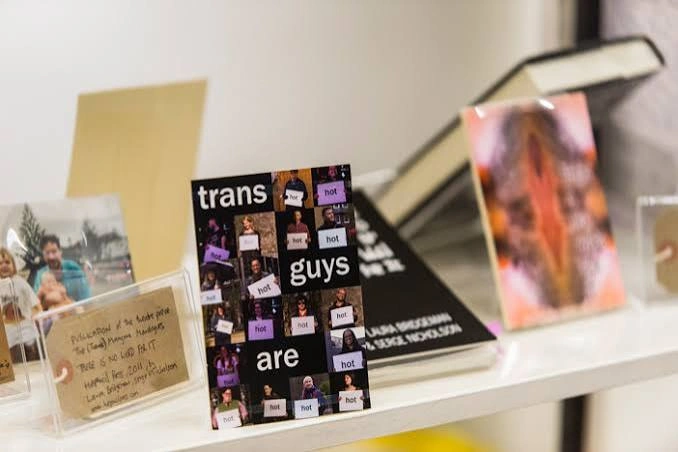 There is a name badge in the Museum of Transology that looks, at first, like exactly the sort of thing you would lose in a kitchen drawer. There are swimming goggles. A packet of Testogel. A pair of prosthetic breasts. A baby balloon announcing “It’s a Boy”. Someone has kept a razor because their father gave it to them when they came out. The objects are almost aggressively ordinary, which is precisely what makes them so difficult to look at as museum pieces.
The Museum of Transology has spent the past decade collecting these things because trans history has a peculiar problem. There are plenty of records about trans people. There are far fewer records in which trans people get to decide what their own history looks like. E-J Scott, who founded the museum in 2014, began the collection with objects from his own hospital room while undergoing gender-affirming surgery. What began as an attempt to preserve one moment eventually became a collection of more than 1,000 objects donated by members of the trans community across the UK and Ireland.
The museum is hiding in your bedroom
We tend to imagine archives as places where important things go once ordinary people are finished with them. The Museum of Transology reverses the process. It asks what happens when the ordinary thing is the important thing.
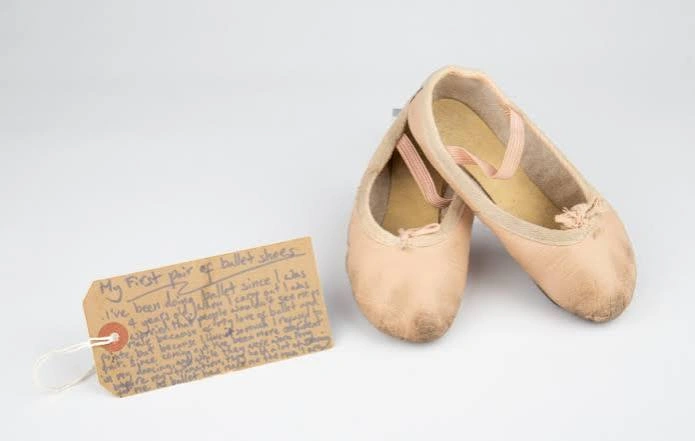
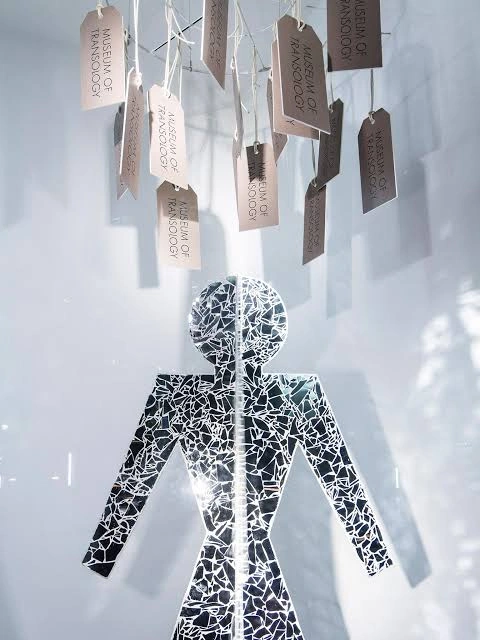
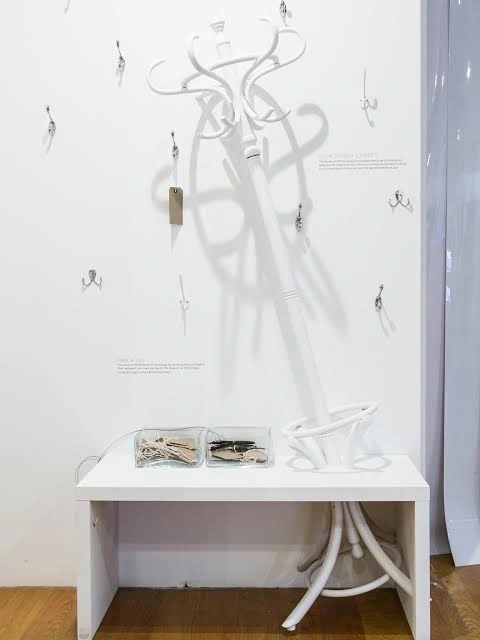
A name badge can mark the first time somebody was addressed by the name they chose. A tube of testosterone can belong to a period of enormous personal significance. A dress might be the first piece of clothing in which somebody recognised themselves. These objects have no obvious value when separated from their owners. Their meaning arrives with the story attached to them. At the Museum of Transology, donors write those stories themselves on brown luggage tags, recording where an object came from and why it matters.
I find this more interesting than the usual museum language of preservation. The museum is not merely saying that trans people have a history. It is asking trans people to decide which fragments of their lives deserve to enter it. That sounds like a small distinction until you remember how often marginalised people appear in official archives through the eyes of institutions that had power over them.
Who gets to leave a record?
The history of museums is full of objects that were collected because somebody with authority decided they were worth keeping. Communities were studied, classified and displayed. Their own explanations of what they were doing often arrived much later, if they arrived at all.
Community archives have emerged partly because of this problem. The Museum of Transology belongs to a wider movement of archives organised around communities whose histories have been distorted or neglected by mainstream institutions. The Bengali Photo Archive in east London, for example, has collected more than 4,500 photographs made by and depicting the Bengali community. The Prisons Memory Archive gives participants control over how their oral histories are used, including the option to withdraw material before publication.
The logic is remarkably simple. If an institution is going to preserve your history, you should have some say in what it preserves. That principle becomes especially interesting with the Museum of Transology because so much of trans life has been recorded through medicine, law and the media. Those records exist, but they tend to answer questions posed by somebody else. A hospital file tells us one thing about a trans person's life. A bottle of medication with a handwritten story attached can tell us another.
The archive has started looking suspiciously like a pub
One of the best details in the story of the Museum of Transology is that some of its earliest collecting happened in a queer pub. Scott began organising collecting days where people could bring objects and explain their significance. The museum came to the community rather than waiting for people to walk through the doors of an institution that might already feel unfamiliar to them. The project eventually developed a network of community curators across the UK and Ireland. That approach changes the atmosphere of archiving. You are not approaching a glass cabinet as a stranger, wondering what an object means. You are sitting with people who already understand why a name badge might matter.
The World of Interiors recently described one Museum of Transology event as an “archiving late”, where people could bring objects, learn how to catalogue them and spend time with the collection. The joke at the centre of the evening was that the archive had somehow become more exciting than the pub. There is something wonderfully revealing about that. Archives are usually imagined as places where life has already happened. Here, the archive becomes somewhere life is still happening.
What survives when the headlines disappear?
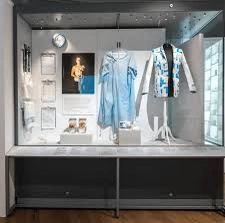
The public conversation around trans people has become obsessed with arguments about legislation, healthcare and political identity. Those questions have real consequences, but they can also produce a peculiar distortion. A trans life becomes something to debate. The person inside it gets flattened into a talking point. The Museum of Transology keeps returning to the person. A razor is given by a father who wants his child to know how to shave. There is a lipstick given by a sister who supported someone's transition. There are zines made during periods of transition, protest objects and clothes that once belonged to particular bodies.
None of these objects can settle a political argument and that may be exactly why they matter.
The future is going to need these things
When E-J Scott started the museum, he was working at the National Trust and thinking about how historic rooms allow visitors to encounter the past through physical objects. During his own surgery, he found himself wishing he could somehow preserve the hospital room around him. He kept what he could. Those things became the beginning of the collection.
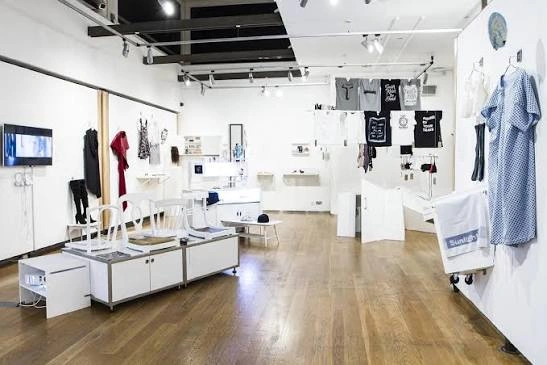
Ten years later, the Museum of Transology has become something much larger than that hospital room. It is an argument about who gets remembered and who gets to do the remembering. It asks us to take seriously the objects that would otherwise end up in bins, drawers or the back of someone's wardrobe. A name badge can become evidence. A packet of testosterone can become history. A razor can tell us something about a father and his child that a newspaper archive never could.
The most radical thing about the museum, in my opinion, is that it does not wait for history to decide which parts of trans life were important enough to preserve. It lets us keep the receipt.

Login to comment.
No thots yet. Be the first to share your thoughts!