CBSE Under Fire: New Digital Grading System Sparks Chaos and Cyberattacks

CBSE Under Fire: New Digital Grading System Sparks Chaos and Cyberattacks
Is the CBSE's new digital marking system a failure? From technical glitches to cyberattacks, find out why students are protesting the latest board exam results.
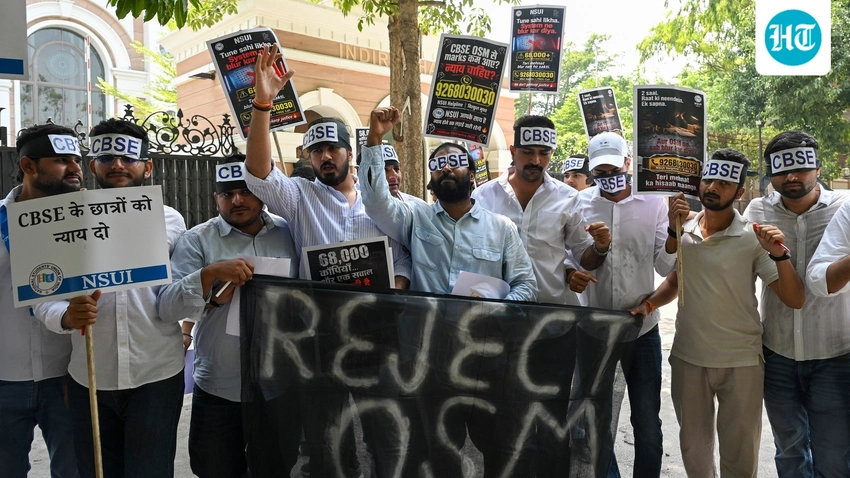
The Central Board of Secondary Education (CBSE) is currently facing intense scrutiny following the release of this year’s Class 12 Board exam results. What was meant to be a technological step forward has turned into a major crisis for thousands of students across the country. At the heart of the controversy is the newly introduced On-Screen Marking (OSM) system, which many believe is responsible for unexpected and inconsistent scoring.
The numbers tell a worrying story. The CBSE’s overall pass percentage has seen a significant dip, falling to 85.29% this year from 88.39% last year. Furthermore, there has been a noticeable drop in the number of students scoring above the 90% mark. Students have expressed widespread frustration, claiming that their marks do not reflect their actual performance or expectations.
Compounding the issue are reports that the Board may have ignored early warnings. A trial of the OSM system conducted recently allegedly flagged 36 different technical and operational concerns, including issues like 'blind checking' and evaluation errors. Despite these red flags, the system was rolled out, leading to the current wave of discrepancies that have left students scrambling for answers.
To add to the chaos, the Board's revaluation portal—the very tool meant to fix these errors—was recently hit by a cyberattack. This attack disrupted payment processes for dozens of students, forcing the Board to defer the entire re-evaluation process until June 1. For students currently navigating the high-pressure college admissions season, this delay is more than just a technical glitch; it is a major academic hurdle.
['#CBSE2024', '#BoardExams', '#DigitalEvaluation']
