BookTok, Brainrot, and Why It’s Okay to Be a Hater

BookTok, Brainrot, and Why It’s Okay to Be a Hater
BookTok, Brainrot, and Why It’s Okay to Be a Hater
From quiet shelves to viral clips, BookTok reshapes how we discover, judge, and fall for books. Explore how 60-second reviews and emotional reels are transforming reading culture worldwide.
In the age of short-form media, a curious cultural collision has taken place: literature; once the preserve of quiet corners, libraries and profuse footnotes has been hauled into the glare of TikTok fame. This isn’t just a trend, it’s a transformation. The sub community known as BookTok has grown into a global phenomenon where books, reading, and literary feeling are packaged into clips of 60 seconds or less. It has changed reading culture, challenged publishing norms, and invited both celebration and skepticism in equal measure.
What Is BookTok, Really?
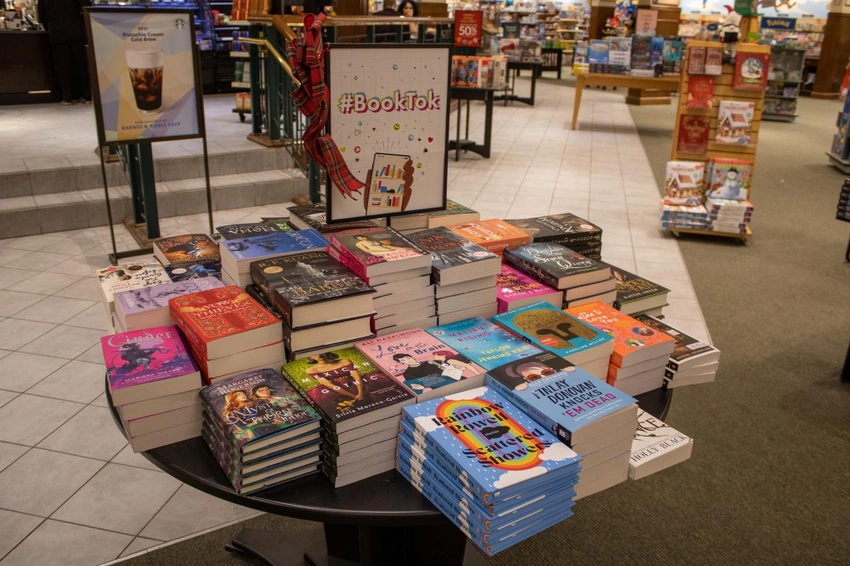
At its core, BookTok is a social space on TikTok devoted to books: recommendations, mini-reviews, emotional reactions to climactic scenes, and the joyful, often performative testimony of having been moved by a story. It emerged in the late 2010s and accelerated during the pandemic, when millions discovered this community of readers online.
Unlike traditional literary criticism, BookTok rarely prioritises analytical depth or contextual reading grounded in literary theory. It tends instead towards enthusiasm and emotion: “I couldn’t put it down!”, “He broke me!”, “Read with sound on and tissues ready!”. In that way, it breaks down the gravitas and formality associated with reading, making the act feel communal and social rather than solitary and aloof.
Books, sometimes decades old have shot back onto bestseller lists because of viral BookTok posts. For publishers and booksellers, this is a boon; for critics, it’s both exhilarating and perplexing.
Brainrot: A Curious Cultural Tag
Running alongside BookTok is another term that has circulated widely in internet slang: brainrot (often stylised as one word). It refers to the sense that certain digital content is “low-quality” or trivial so much so that it literally feels like it’s deteriorating your capacity for deep thought. Oxford Dictionaries even codified a version of this concept as meaning “the supposed deterioration of a person’s mental or intellectual state, especially from overconsumption of trivial, unchallenging material”.
In the context of BookTok, brainrot is used both seriously and playfully. At times it’s a critique the suggestion that people are prioritising quantity of consumption over quality, gobbling up TikTok hype books without pausing for deeper engagement. Other times, it’s self-aware slang, a shared joke within the community about how one minute meant to be casual scroll becomes three hours of book recommendations.
In this sense, brainrot isn’t purely negative. Like much internet slang, it’s reflective. A linguistic indicator of our ambivalence about the platforms we inhabit. It suggests enjoyment and irritation in the same breath, a meta-commentary about how culture circulates in the algorithmic age.
BookTok’s Dual Nature
To some, BookTok feels like a revival. It dispels the antiquated notion that “serious readers” and young people are worlds apart. It makes reading feel accessible and emotionally vibrant, emphasising pleasure as a legitimate literary value. There’s something electrifying about seeing thousands of people passionately discussing a novel in comments beneath a 30-second clip.
Yet, there are reasonable criticisms. Because viral content is driven by algorithms and engagement, certain genres especially romance and fantasy dominate the conversation. This not only narrows the field of books getting attention but risks valorising popularity over critical diversity. It’s why some argue that BookTok can be superficial: trend-driven rather than insight-driven.
And then there’s the familiar friction: the old guard of literary culture versus the new wave of internet readers. Some critics label BookTok’s preferences as lacking depth; others argue that traditional criticism has long neglected genres that matter deeply to many readers. The tension here is about who gets to speak about literature, and in what registers.
Being a Hater Isn’t Always Bad
If you’ve ever felt the urge to roll your eyes at a viral BookTok favourite, or mock the earnestness of “book haul” videos, that’s not just snobbery it’s a valid cultural response. Skepticism toward a phenomenon is itself part of participating in culture. It’s how we refine tastes, understand our own values, and articulate why certain texts matter to us beyond virality.
Hating, in this context, is a refusal to uncritically accept terms set by algorithmic taste. It’s saying: “I want to think about why I read, not only how something goes viral.” And there’s something profoundly human in that.
The rise of BookTok and the playful admonitions about brainrot are symptoms of a broader transformation in how literature engages with lightning-fast, emotion-driven culture. We are not witnessing the death of reading; we are witnessing its rearticulation in a context where participation and affect matter alongside interpretation and theory.
BookTok is a symptom of our moment: a convergence of algorithmic media, literary desire, slang culture, and generational change. Calling something brainrot is a recognition that we’re all trying to make sense of culture in a space that rewards both depth and distraction.
So if you find yourself irritated by the fervour for the trendiest novels, or impatient with internet slang that seems to champion effortless consumption, that’s okay. To be a hater, in this sense, is to be aware, to care about literature and culture not simply as commodities but as spaces for thought, community, critique, and joy.
#BookTok #ReadingReels #60SecondReviews #BookCommunity #LiteraryCulture
