Indian Slum Tourism, The Tourist Gaze and Poverty Fetishism

Indian Slum Tourism, The Tourist Gaze and Poverty Fetishism
Indian Slum Tourism, The Tourist Gaze and Poverty Fetishism
An academic critique of travel hype around the 'real India,' examining poverty fetishism, voluntourism, and how hardship becomes a consumable story rather than a call for change.
There is an unease I feel each time I read travel copy that promises an encounter with the "real India". As someone in academia who thinks about representation, voice and power, I cannot help but wonder when curiosity becomes consumption, and when empathy tips into a kind of aesthetic hunger for human misery. The recent debates around slum tours, voluntourism and influencer content show that tourism can, paradoxically, reconstruct poverty as an attraction rather than a social condition to be redressed.
What do we mean by poverty fetishism?
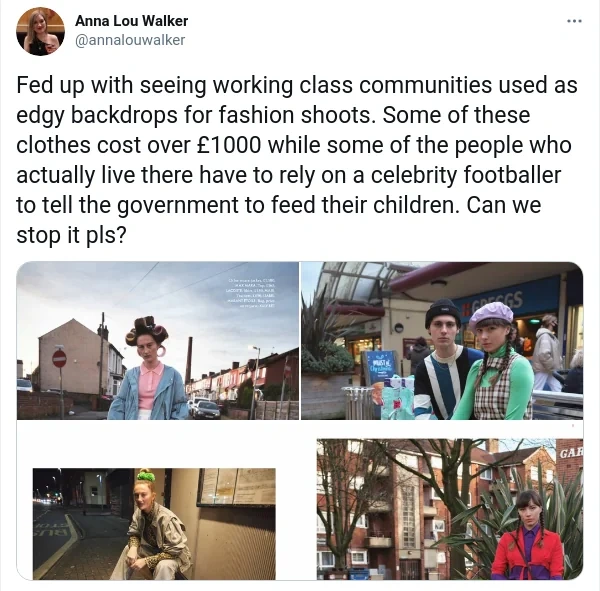
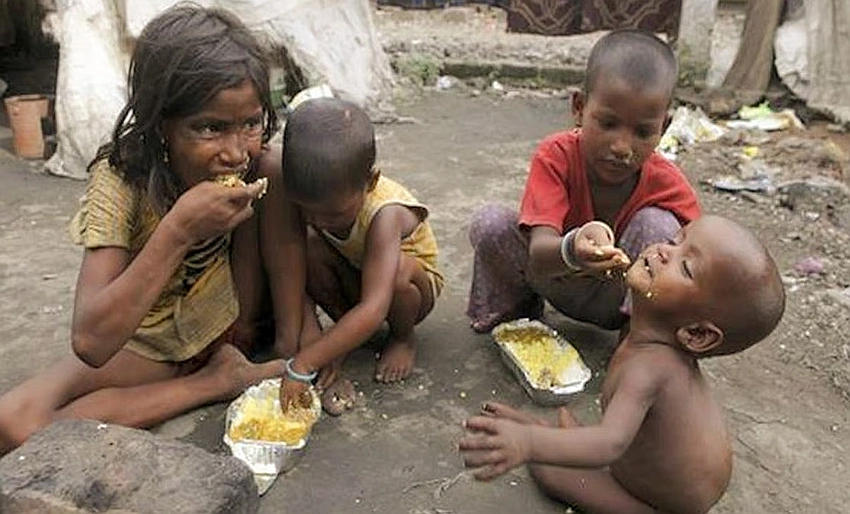
"Poverty fetishism" is not a neutral descriptor. It names a pattern: the reduction of complex lives and structural injustice into a consumable spectacle that gratifies outsiders. The term overlaps with "poverty porn" and the "tourist gaze", critical frameworks that highlight how seeing is never neutral. Tourists often expect to witness hardship in simplified, legible forms that fit preconceptions. What follows is a marketable narrative of suffering: legible, dramatic and shareable. This is not merely academic hair-splitting. Scholars have traced how tourism practices can reframe poverty as an attraction, altering relationships between visitors, local intermediaries and the communities on display.
Slum tourism and voluntourism in India: two sides of the same coin
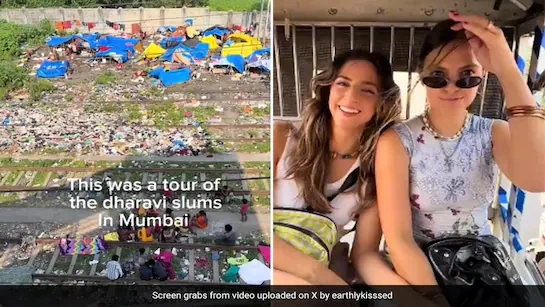
Mumbai’s Dharavi is perhaps the most cited example. Once framed as the backdrop of a rags-to-riches cinematic fantasy, parts of Dharavi are now regular stops on itineraries that promise a "transformative" experience. Proponents argue that such tours can generate income and counter stereotypes by highlighting local enterprise. Critics counter that these activities often prioritise the visitor’s catharsis and imagery over community benefit, commodifying private life for public consumption. Recent scholarship and industry analyses show that tourism is no longer only a means to alleviate poverty, but that poverty itself can become the product on sale.
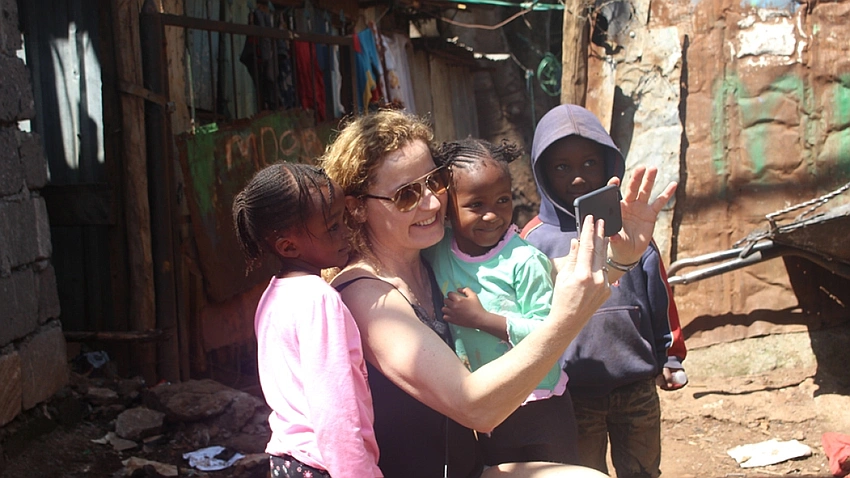
Voluntourism complicates the ethical picture further. Western volunteers pay to do short projects in low-income communities. The economics are not incidental. Some organisations financially benefit from volunteers who pay to participate, sometimes at the expense of hiring local labour. Observers have argued that voluntourism can serve the volunteer’s need for moral visibility rather than the community’s long-term interests. This structure risks producing a saviour narrative that infantilises residents and freezes them as objects of benevolence.
Why does poverty fetishism persist?
Part of the answer lies in desire. Tourists, influencers and even documentarians are often seeking authenticity, shock or content that will travel on social platforms. The architecture of modern tourism profits from exceptional, easily comprehensible stories. Media and market forces collude: images of poverty travel fast, elicit engagement and can be monetised. The tourist gaze is selective, shaped by preconceptions shaped by colonial histories and contemporary media tropes. Academics who study slum tours note that visitor experiences are curated to be intelligible and emotive, which simplifies the political and economic causes of deprivation.
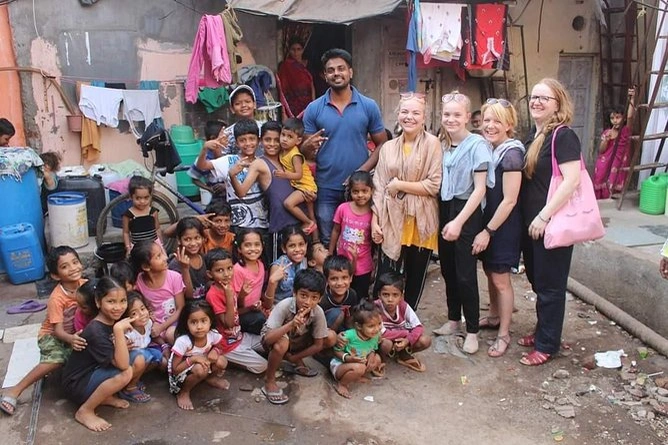
Another reason is governance and regulation. Where tours and volunteer programmes are unregulated, ethical lines blur. Tour operators may foreground narratives that sell while profit flows unevenly. Where communities and their leaders are engaged in design and governance, benefits are more likely to be distributed and dignity preserved. Empirical research that actually records resident perspectives suggests mixed responses: some residents welcome income and the chance to tell their own stories, while others resent intrusion and misrepresentation. This ambivalence should stop us from inventing easy verdicts.
What might an ethical alternative look like?
First, listening matters. Genuine consultation with communities about representation, consent and benefit is essential. Second, transparency in how revenue and labour are shared can transform extractive practices into accountable partnerships. Third, pedagogical frameworks that centre local knowledge rather than spectacle can shift the tourist gaze from voyeurism to solidarity. Finally, for travellers and content creators alike, a routine of critical self-questioning is necessary: who benefits from this image, who is being spoken for, and what structural questions are being elided?
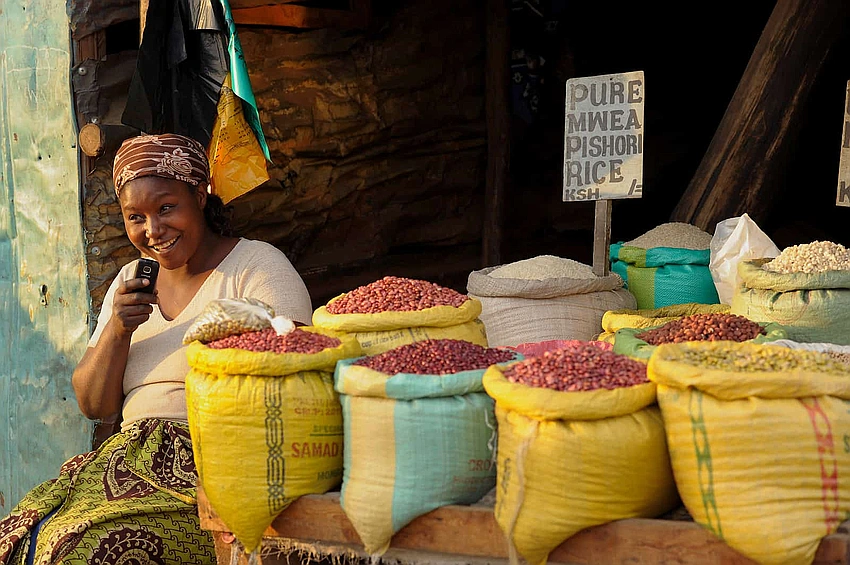
There are practical models. Community-led initiatives and accredited social enterprises have demonstrated that tourism can amplify local agency without turning neighbours into props. But these remain exceptions rather than the rule, and they require sustained institutional support and ethical commitment from consumers.
Responsibility as an aesthetic
If we approach travel as an aesthetic practice, we must accept moral obligations alongside aesthetic judgment. To visit is never neutral. As a writer, I am wary of any frame that transforms suffering into a picturesque experience. As a citizen and scholar, I want to insist that curiosity be tethered to respect, that exposure be accompanied by accountability, and that stories of poverty not be recycled as entertainment. Tourism can open eyes. Let it not close minds to the deeper questions that make action necessary.
#PovertyPorn #TourismEthics #Voluntourism #TouristGaze #RepresentationMatters
