Monsters Who Only Wanted to Be Loved

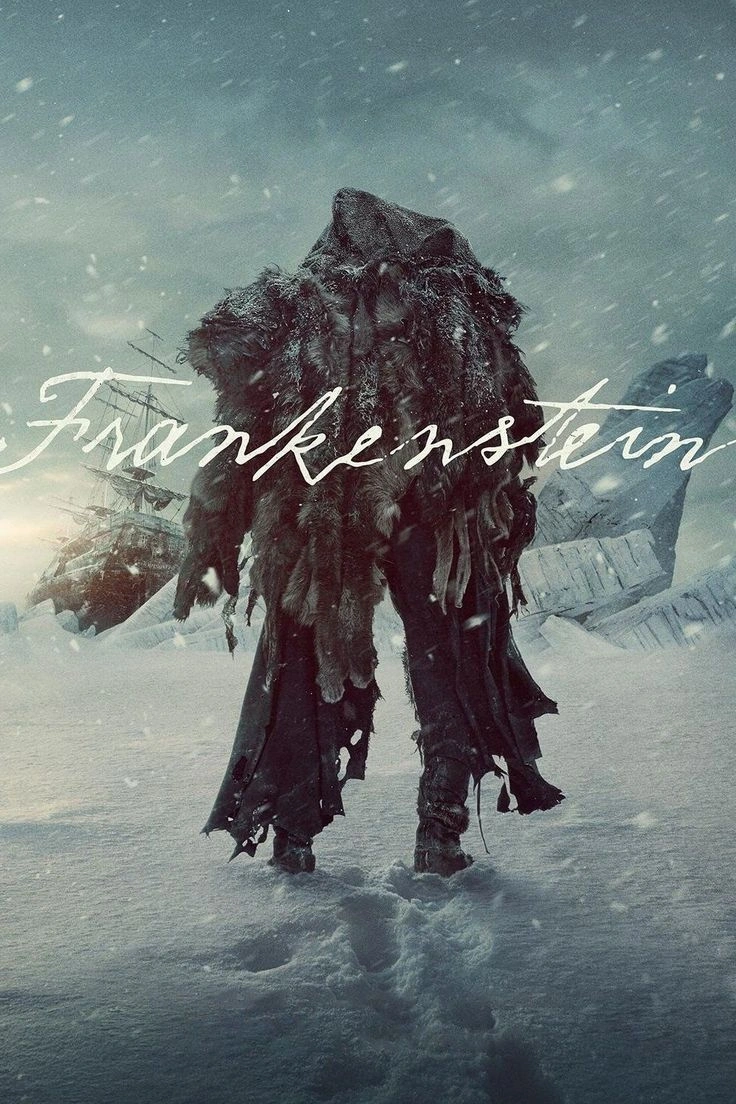
Monsters Who Only Wanted to Be Loved
Monsters Who Only Wanted to Be Loved
Frankenstein and the tragedy of unmet recognition.
The most terrifying thing about monsters is not what they destroy, but what they want.
In Mary Shelley’s Frankenstein, the monster does not begin as a creature of violence. He begins as a creature of longing. He watches families through windows. He learns language so he can speak kindly. He studies kindness before cruelty, hope before rage.
Before he becomes monstrous in action, he is only monstrous in the eyes of others. What the monster wants is not power, not revenge, not domination. He wants to be recognized.
And when recognition is denied long enough, even the gentlest longing begins to rot.
Frankenstein’s monster is not evil by origin. Shelley is careful about this. He is created innocent, curious, and open to the world. His first experiences are of wonder: light, sound, warmth, language, observation.
But from the moment he is seen, he is rejected.
Victor Frankenstein recoils from him in horror. Villagers attack him. Children scream. Adults flee. Doors close. Eyes avert. Every attempt to step into humanity is met with fear.
This is how monsters are made: not through evil intent, but through repeated exclusion.
The monster learns violence after he learns loneliness.
Philosophers and psychologists alike argue that recognition is foundational to identity. To be recognized is to be affirmed as real, valuable, and worthy of belonging.
Hegel described recognition as central to selfhood. Modern psychology echoes this: humans define themselves through relational mirrors. We learn who we are by how others respond to us.
The monster understands this intuitively. He does not ask to be worshipped. He does not demand admiration. He asks for acknowledgment.
“Do not despise me.”
“Let me be loved.”
“Give me one companion.”
His tragedy is that he is never granted recognition, only fear.
Without recognition, identity fractures. And when identity fractures, desperation follows.
Shelley’s monster believes something deeply hopeful: that love will make him good.
He does not claim to be inherently virtuous. He claims to be capable of virtue, if given a connection.
“I am malicious because I am miserable,” he says.
This is not a justification; it is a diagnosis.
The monster understands what society often refuses to admit: love regulates morality. Belonging stabilizes behavior. Rejection breeds distortion.
When his request for companionship is denied, when even the possibility of being loved is destroyed, something in him breaks.
Revenge is not his first instinct. It is his last resort.
What makes Frankenstein’s monster tragic rather than terrifying is this: no one ever tries to know him.
People see his body and assume his soul. They read his appearance as intention. They refuse to imagine interiority where fear already exists.
This is one of the cruelest forms of violence: reducing someone to how unsettling they make you feel. The monster is never allowed to be complex. Only monstrous.
And when someone is stripped of complexity long enough, they may begin to act like the role they’ve been cast in.
Monsters are rarely truly “other.” They are reflections of what societies refuse to confront. Frankenstein’s monster reflects humanity’s fear of:
- responsibility without empathy
- creation without care
- innovation without ethics
- difference without understanding
Victor Frankenstein abandons his creation, yet claims moral superiority over it. Society shuns the monster, yet condemns his reaction to isolation.
The real horror is not the monster’s violence: it is the chain of neglect that precedes it.
There is a specific kind of pain in wanting love without entitlement. The monster does not feel owed affection, he hopes for it.
His request is devastatingly simple:
“If I cannot inspire love, I will cause fear.”
This line is often quoted to justify his cruelty, but it is better read as grief. It is the sound of someone realizing the world has made a choice about him, and it isn’t mercy.
Unmet recognition curdles into bitterness not because the heart is weak, but because it has nowhere to put its longing.
Loneliness, when prolonged, does not stay quiet.
Psychologists note that chronic social rejection correlates with increased aggression, not because rejected individuals lack empathy, but because rejection erodes trust.
The monster’s violence is not random. It is targeted, symbolic, and deeply personal. He lashes out not at society in general, but at the man who denied him recognition.
This is not a defense, it is a human pattern.
Pain, when unseen, seeks visibility.
Mary Shelley doesn’t ask us to excuse the monster’s violence. She asks us something far more uncomfortable:
Who failed him first?
And what responsibility do creators: parents, societies, systems, have to what they bring into the world?
The monster’s story suggests that neglect is not neutral. Abandonment is not passive. Turning away is an act with consequences.
And maybe the real lesson is this:
Not everyone who frightens us is dangerous. Some are just aching to be seen. And when recognition is withheld long enough, even the softest souls begin to break.
