India, Canada seal uranium deal as ties reset in New Delhi

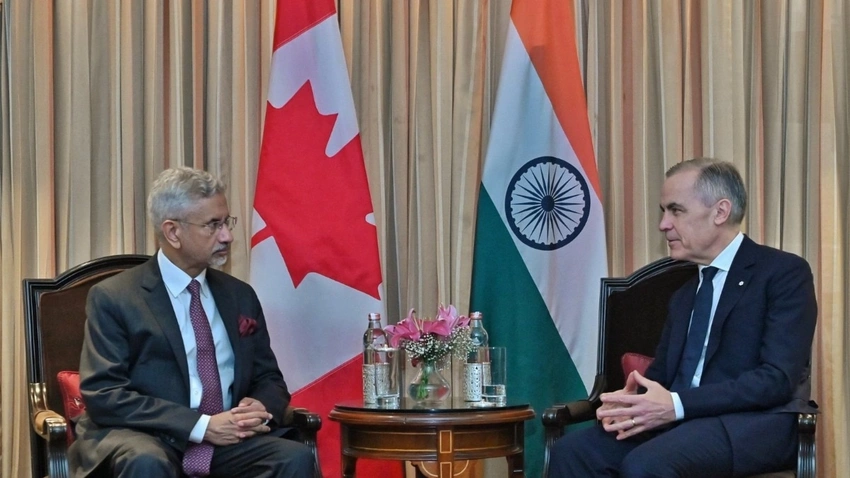
India, Canada seal uranium deal as ties reset in New Delhi
Canada-backed uranium supply pact to fuel India's nuclear expansion, as Ottawa and New Delhi reboot strategic and economic ties with critical minerals cooperation.
India and Canada signed a clutch of agreements spanning critical minerals, clean energy and cultural cooperation, signaling a reset in bilateral ties as Prime Minister Narendra Modi hosted Mark Carney in New Delhi. The headline deal: a long-term uranium supply agreement between Cameco and India's Department of Atomic Energy, aimed at supporting India's nuclear-expansion push. Cameco will supply nearly 22 million pounds of uranium ore concentrate to India over nine years, from 2027 to 2035. At current market-linked pricing, the contract is worth about $2.6 billion. The signing took place in the presence of Modi, Carney, Saskatchewan Premier Scott Moe, and Cameco CEO Tim Gitzel, underscoring a renewed push to deepen commercial and strategic ties.
In civil nuclear energy, Modi said this marked a landmark deal for long-term uranium supply. The two sides also agreed to collaborate on small modular reactors and advanced reactors. Cameco had previously supplied uranium to India under a five-year contract that began in 2015; this new pact is among the largest long-term arrangements since nuclear cooperation resumed after the 2008 civil nuclear agreement.
Beyond fuel, Canada and India focused on critical minerals and renewables, underscoring a broader agenda. Officials described the talks as part of a 'new era of partnership.' In addition to the uranium deal, discussions touched on defence dialogue and a comprehensive economic partnership agreement, with a target to conclude the others by 2026.
The deal fits India's broader energy security and decarbonisation strategy, which envisions capacity growing from 24 reactors today to about 100 GW by 2047. The pact with Canada is presented as a key pillar in diversifying sources, strengthening supply chains, and accelerating the adoption of clean energy technologies.
Overall, the agreement signals a warming of bilateral relations and a willingness to pursue deeper trade, investment and energy collaboration between the two nations as they chart a more collaborative path on critical minerals and nuclear energy.

Login to comment.
No thots yet. Be the first to share your thoughts!