Magyar to become Hungary's regime-change PM after landslide win

Magyar to become Hungary's regime-change PM after landslide win
Péter Magyar takes Hungary's helm with a two-thirds majority, pledging regime change, anti-corruption reforms, and a bid to unlock EU funds blocked by Brussels.
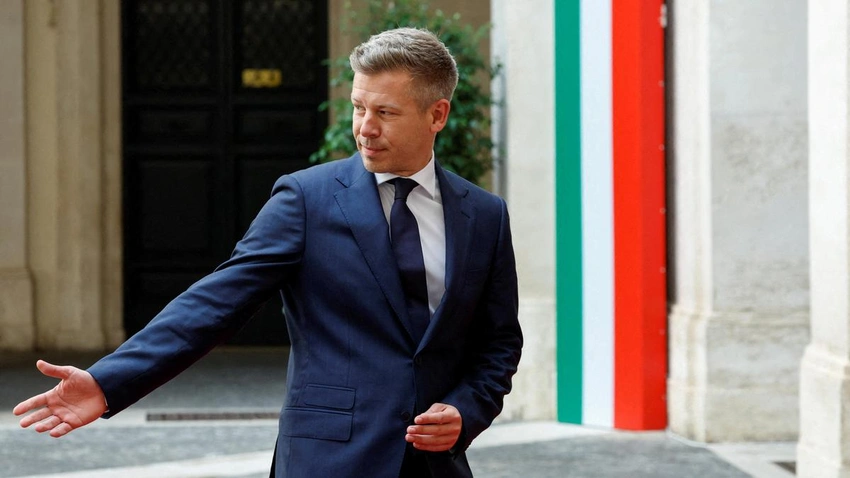
Péter Magyar is set to be sworn in as Hungary’s prime minister on Saturday, marking a new chapter after Viktor Orbán’s 16-year rule. The former government insider-turned-critic won a landslide victory last month, with his Tisza party capturing 141 of parliament’s 199 seats and delivering a two-thirds majority that would let him push through constitutional changes and fundamental reforms.
The incoming premier has pitched his tenure as a mandate for broad, structural change aimed at eradicating corruption and loosening the grip some observers say the previous administration exerted over key institutions, including the judiciary, media, and academia. Magyar’s program envisions undoing changes Orbán-era reforms—changes his team argues were designed to consolidate power—while promising a more transparent and accountable government.
A top early priority for the new leadership is unlocking billions of euros in EU funds that Brussels has held back over rule-of-law concerns. Analysts say access to the bloc’s funds will hinge on credible reforms and visible improvements in governance, a test Magyar has signaled Hungary must meet quickly to sustain market and public confidence.
Magyar has already met with European Commission chief Ursula von der Leyen, underscoring his intention to engage with Brussels and secure financial support for a program aimed at structural reorganization, improving public services, and boosting growth. The meeting signals a direct approach to repairing frayed ties with the EU and reassuring partners that Hungary will uphold shared rules on democracy and governance.
Hungary faces a challenging road ahead: growth has stagnated and public services are faltering, prompting calls from analysts for long-term structural changes. Yet there is patience among some Hungarians, with think-tank officials noting the scale of the mandate and the expectations for quick results.
The oath of office is planned during a session of parliament, with lawmakers expected to elect Magyar in the afternoon and supporters gathering outside the building for his first public address. The government has promised openness and accountability as it starts its term, but observers warn that the road to reform will be complicated by lingering political tensions and European oversight.
As the nation watches, Magyar’s leadership will be tested on whether the rhetoric of regime change can translate into concrete, lasting improvements for ordinary Hungarians and whether the new government can navigate a complex relationship with Brussels while maintaining social and economic stability.
