Hungary's new PM vows to shut down state media, calling it 'factory of lies'

Hungary's new PM vows to shut down state media, calling it 'factory of lies'
Incoming Hungarian leader pledges to dismantle the state broadcaster, labeling it propaganda and a 'factory of lies' in a striking first interview.
Budapest — Hungary’s incoming prime minister delivered a dramatic opening gambit, telling the nation’s state broadcaster that they are in the business of misinformation and that their days are numbered. In an extraordinary first interview, he declared to the newsroom, 'we are shutting down your lying service,' framing the outlet as a key arm of the outgoing administration’s propaganda machine. He described the state media ecosystem as a 'factory of lies' that must be dismantled to restore trust in public information and hold power to account. The pledge signals a sharp break with the media landscape that has long accompanied Viktor Orban’s rule and raises questions about how the government will replace state-backed messaging with something that citizens perceive as fair and transparent.
Analysts say the vow is both symbolic and potentially consequential. On one hand, it speaks to a hunger among reform-minded voters for a freer media environment and for authorities to be more accountable to the public rather than a single ruling narrative. On the other hand, critics caution that the operational logistics of shutting down a nationwide broadcaster, and then rebuilding a credible alternative, are complex and fraught with political risk. Questions loom about funding, independence, and how quickly any replacement would win public trust in a media-saturated information ecosystem that has grown accustomed to state messaging as a baseline.
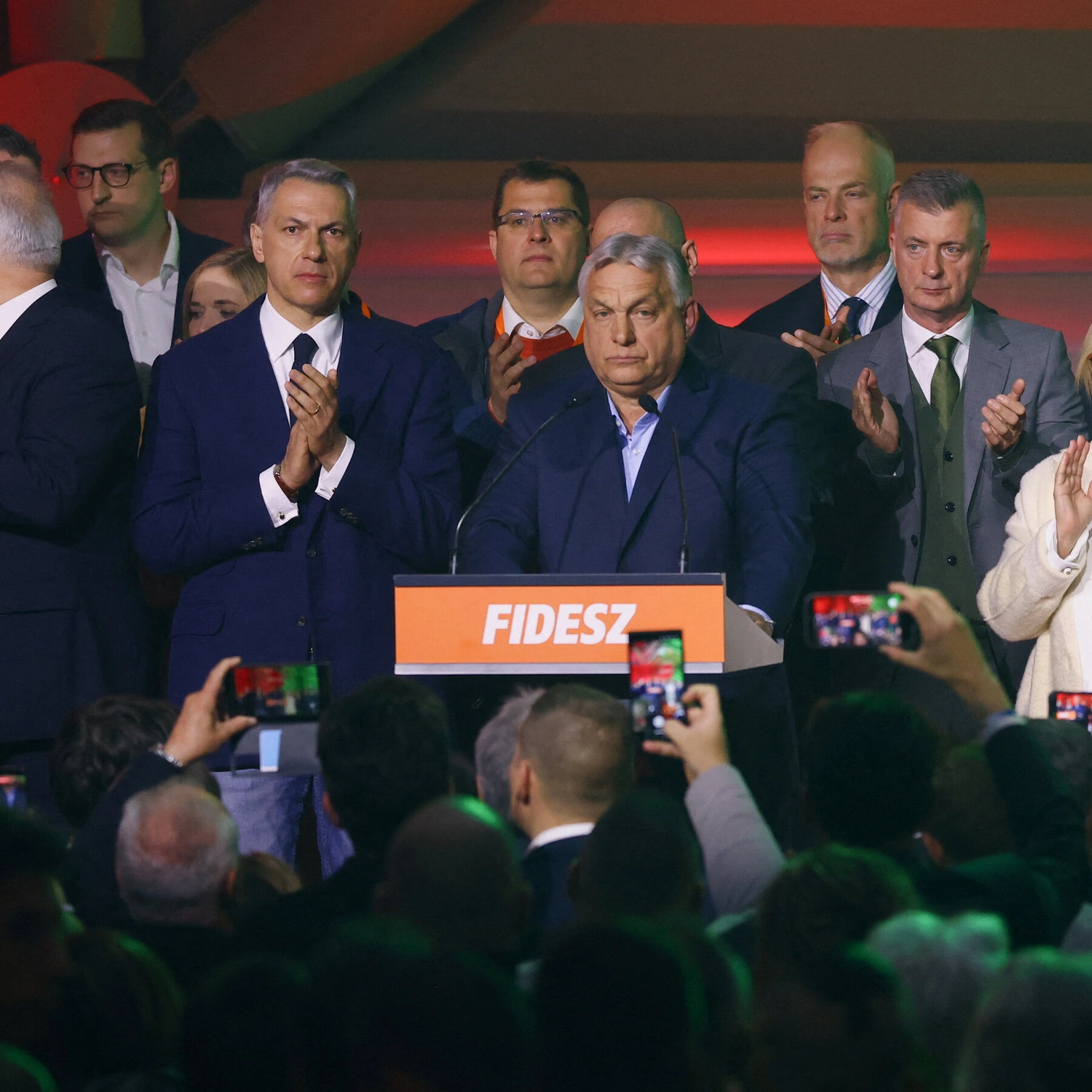
The move comes in the wake of a broader political realignment following the opposition’s breakthrough in national politics. While opponents celebrate a potential turning point that could curb the influence of a long-running populist project, supporters warn against oversimplification—arguing that media reform alone cannot guarantee a healthy democracy without robust institutions, rule of law, and transparent governance. In Hungary’s evolving political environment, the incoming leadership will need to outline a concrete transition plan: how to ensure citizens still access reliable information, how new outlets will be funded without political interference, and how the public will assess the credibility of a post-state-media era.
Observers will be watching closely for the specifics: timelines, governance structures, and safeguards that prevent the replacement system from becoming merely a new channel for government messaging. If carried out credibly, the shift could reshape Hungary’s public discourse, influence EU perceptions, and set a roadmap—however challenging—for other countries grappling with the balance between state influence and media freedom. The next steps will reveal whether this bold opening move translates into durable reforms or sparks a protracted political contest over Hungary’s information landscape.
