Broken By The System: India’s Forgotten Fast Bowlers
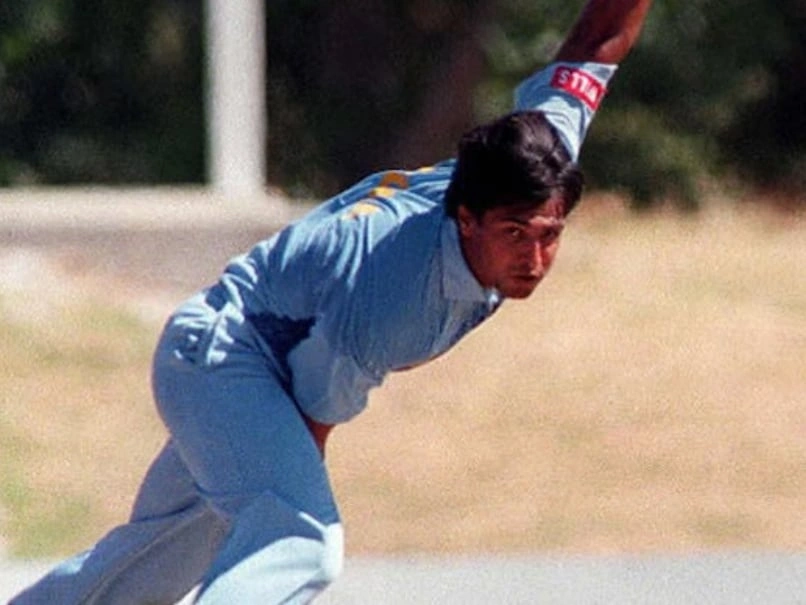
Broken By The System: India’s Forgotten Fast Bowlers
Broken By The System: India’s Forgotten Fast Bowlers
How these Indian fast bowlers who trained at MRF Pace Foundation were destroyed by poor infrastructure, timid selectors, and lack of medical support.
In 1987, MRF Pace Foundation was born in Chennai. Dennis Lillee trained Indian youngsters to bowl at 150 km/h. It was revolutionary. India had always worshipped spin. Suddenly, raw speed was possible. But the system was not ready. Dead pitches, conservative selectors, and poor medical support meant talent was wasted.
Vivek Razdan: Spark That Died
Razdan debuted in Pakistan in 1989. He took 5/79 in his second Test. He was hailed as Kapil Dev’s successor. Then he vanished. One ODI, no recall. He turned to commentary. A career cut short by selectors who feared pace.

Salil Ankola: Body Betrayed
Ankola debuted with Sachin Tendulkar. He had rhythm and speed. But injuries and a shin tumor ended his career at 28. He became a TV actor, later a national selector. His story is of promise undone by lack of medical care.
Subroto Banerjee: Dropped For Spin
Banerjee took three wickets in his Sydney Test debut in 1992. He was dropped because India wanted spinners. He became a coach, mentoring Umesh Yadav. His career shows how spin obsession killed fast bowling dreams.
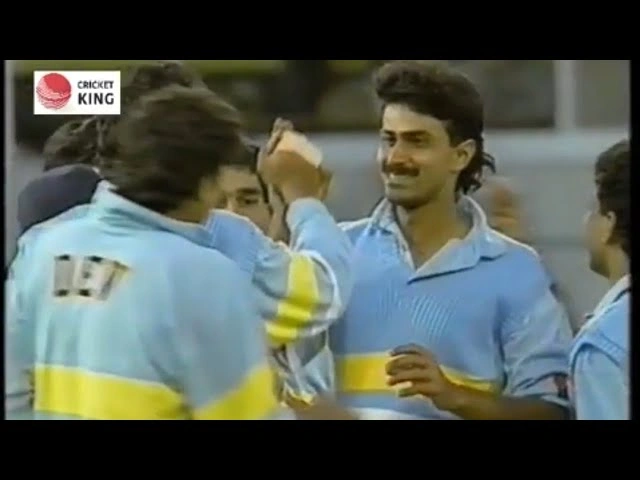
David Johnson: Tragedy Of Speed
Johnson bowled at 150 km/h. He debuted in 1996 against Australia. Dropped after two Tests for lack of control. He struggled with personal demons. In 2024, he died after a fall. His story is the darkest of them all.
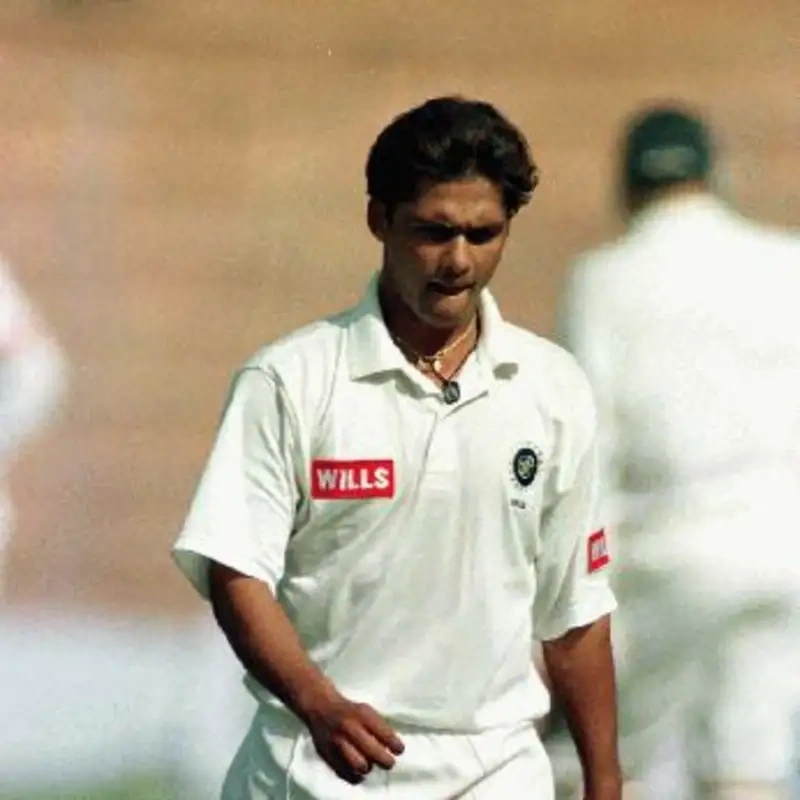
Abey Kuruvilla: Too Tall, Too Slow
Kuruvilla, at 6’5, led India’s attack in 1997. He took 35 wickets in a year. Selectors said he was “too slow.” He was discarded. Today, he is BCCI’s general manager. His rise and fall show how India failed to back its pacers.
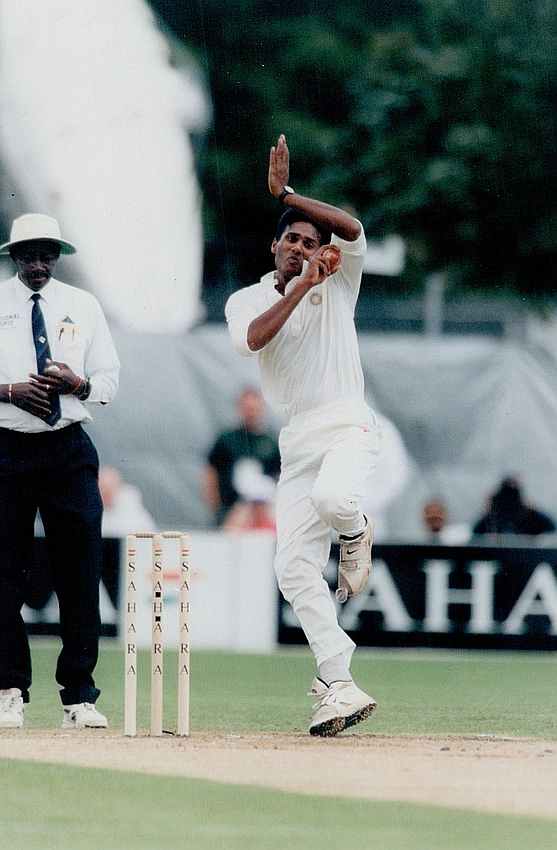
Why It Matters
These men were not failures. They were victims of a system that feared pace. India’s pitches were slow. Selectors were conservative. Medical care was poor. The MRF Pace Foundation gave them speed. The system broke them. Today, Bumrah and Shami thrive because the system finally changed. But the scars remain.
