Japan's Iconic Modern Architecture is Disappearing: A New Book Reveals All
Japan's Iconic Modern Architecture is Disappearing: A New Book Reveals All
Discover the surprising truth behind Japan's disappearing architectural masterpieces. Naomi Pollock's new book, 'Vanishing Japan,' explores why many futuristic buildings, once symbols of innovation, are being torn down.
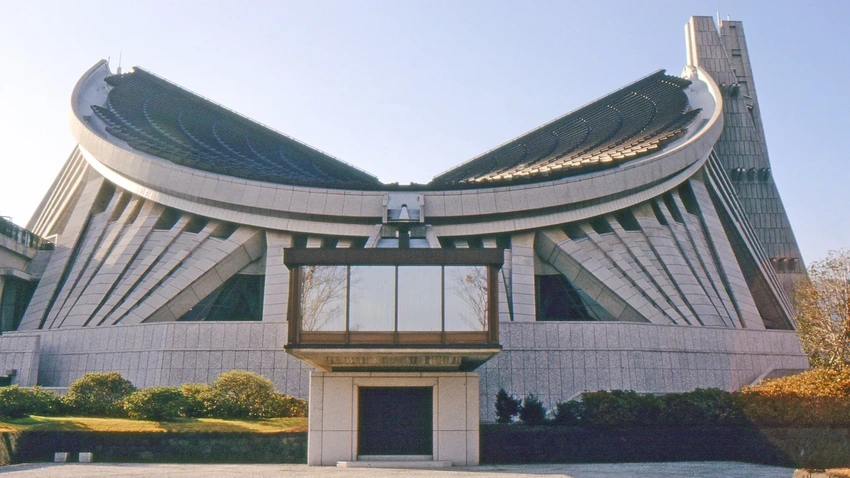
Japan, long celebrated for its bold and futuristic architecture, is facing a quiet crisis as many of its iconic modern buildings are being demolished. A new book, \"Vanishing Japan: Modern Architecture, Gone But Not Forgotten\" by RECORD contributing editor Naomi Pollock, sheds light on this concerning trend, documenting over 90 postwar structures that have been torn down since 2000.
Pollock, a longtime resident of Tokyo, recounts the stories of these architectural gems, including works by renowned architects like Arata Isozaki, Kenzo Tange, and Kisho Kurokawa. One notable example is the Nakagin Capsule Tower in Tokyo, a prime example of Japanese Metabolism, whose demolition in 2022 sparked global outrage and even prompted a tribute exhibition at New York City's Museum of Modern Art.
However, despite public outcry and efforts by design professionals, many other significant structures, like Yoshiro Taniguchi's Hotel Okura, also fall victim to this "scrap and build" culture.
The book categorizes these lost treasures by typology, such as buildings designed for learning, governing, and working, presenting each with detailed illustrations and a reflective narrative. The author's introduction emphasizes that the issue isn't just about preserving old buildings; it's about safeguarding a connection to history, a sense of place, and a wealth of collective memories.
As architectural historian Hiroyuki Suzuki notes, these structures are not just works of art but also witnesses to their era, reflecting the design values, materials, and prevailing scales of their time.
Japan's predilection for demolishing and rebuilding, often driven by economic factors, changing aesthetic styles, and evolving technologies, means that even relatively recent works are vulnerable. The loss of these buildings erases physical entities and local landmarks that shape unique neighborhoods and serve as backdrops for personal milestones and celebrations.
Pollock's work serves as a poignant reminder of what is being lost and encourages a deeper contemplation on what architectural heritage truly deserves to be preserved for future generations.", "city": "Tokyo
#VanishingJapan #JapaneseArchitecture #ArchitecturalPreservation #VanishingJapanBook
