Global stocks sink as Hormuz tensions rattle oil markets

Global stocks sink as Hormuz tensions rattle oil markets
Markets reel as Strait of Hormuz tensions spike oil fears; Kospi slumps while Western indices swing on energy and diplomacy headlines.
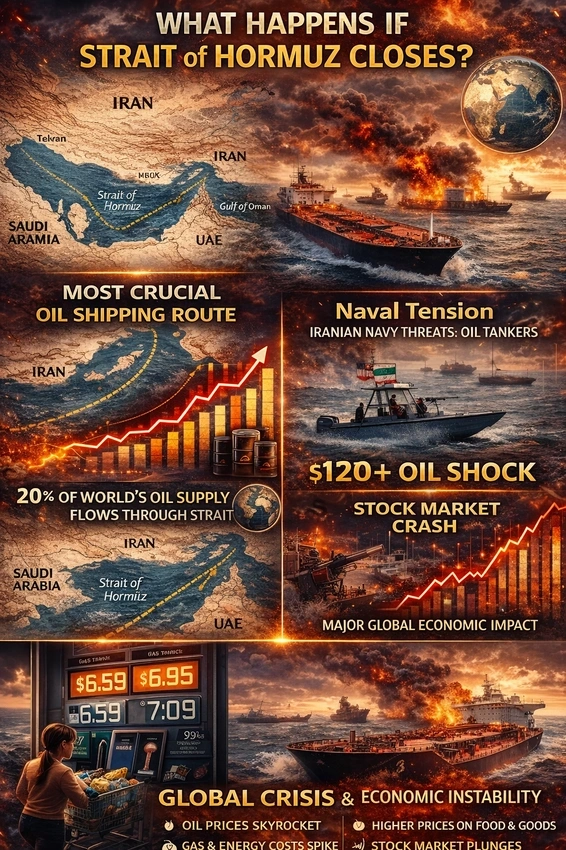
Global stock markets tumbled as tensions around the Strait of Hormuz kept oil supplies in focus. After days of losses in some regions and cautious gains in others, sentiment shifted again as headlines suggested Iran might be open to talks to end the conflict, though such openness was judged uncertain in the near term. European indices briefly rallied on the report, with the FTSE 100 up about 0.65%, the Stoxx 600 rising around 1.5%, the DAX up roughly 1.3%, and the CAC around 0.8%, before turning mixed as energy prices moved.
In Seoul, the Kospi led the regional sell-off, plunging around 11% and triggering a trading halt, underscoring how investors are reacting to the risk of broader conflict and volatility in energy markets. The rout on the index reflected concerns across Asia and the Middle East about supply disruption and demand for safer assets.
On Wall Street, traders watched a mixed tape: the Dow Jones Industrial Average slipped about 70 points (0.1%), while the Nasdaq climbed more than 100 points (around 0.5%), and the S&P 500 inched higher by roughly 10 points (0.15%). The U.S. dollar eased, retreating about 0.2%, as investors weighed risk-off indicators against any nascent signs of diplomacy.
Oil moved in two directions: Brent crude eased to around $81.20 a barrel after an earlier spike above $84, while European gas futures fell as much as 9.5% after surging as much as 60% in the prior two sessions. The world’s largest LNG plant in Qatar remained shut, amplifying concerns about a possible supply crunch.
Analysts cautioned that even if diplomatic backchannels begin to bear fruit, a credible off-ramp to the conflict remains distant. The price moves underline how closely markets track the oil flow through Hormuz and how geopolitical risk continues to complicate inflation dynamics, corporate earnings, and investment decisions.
As investors await further signals from policymakers and regional players, the common thread is uncertainty: energy prices are likely to stay volatile, and markets will swing between risk-off and risk-on depending on headlines from the Strait.

Login to comment.
No thots yet. Be the first to share your thoughts!