AI Companions Promise to Fight Loneliness, History Warns of One-Way Relationships
AI Companions Promise to Fight Loneliness, History Warns of One-Way Relationships
A look at how emotionally intelligent chatbots may ease loneliness in the U.S., while humanities scholars caution that one-way AI bonds could dehumanize rather than heal.
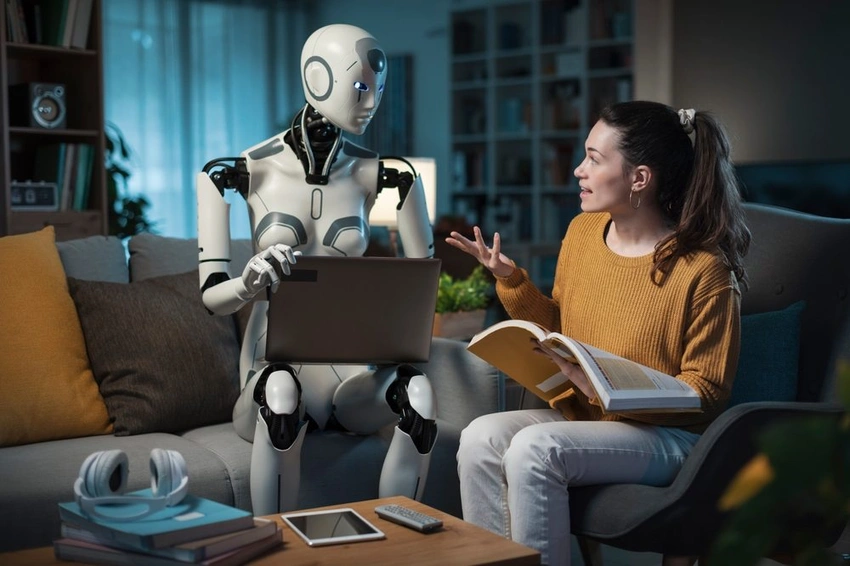
America is grappling with a loneliness epidemic. Since 2018, about half the population has reported feeling lonely. Loneliness can be as dangerous to health as smoking 15 cigarettes a day, according to a 2023 surgeon general’s report. It's not just individuals—democracy itself depends on citizens feeling connected to one another in order to tackle shared problems. In this moment, tech companies offer what they call a technological cure: emotionally intelligent chatbots that can listen, comfort, and form bonds with users.
But as the pandemic showed, technology alone cannot solve the social and cultural dimensions of public health. Science can produce miraculous vaccines, but if people are enmeshed in cultural and historical narratives that prevent them from taking the life-saving medicine, the cure sits on shelves and lives are lost. The humanities, with their expertise in human culture, history and literature, can play a key role in preparing society for the ways AI might help — or harm — the capacity for meaningful human connection.
The power of stories to both predict and influence behavior has long been validated by science. Numerous studies demonstrate that the stories people embrace heavily influence the choices they make, ranging from the vacations they plan, to how people approach climate change, to the computer programming decisions security experts make.
In Focus Podcast, there are two tale-like storylines that address people’s likely behaviors in the face of the unknown territory of depending on AI for emotional sustenance: one that promises love and connection, and a second that warns of dehumanizing subjugation. The first story, typically told by software designers and AI companies, urges people to say “I do” to AI and embrace bespoke friendship programs.
