Bangladesh-US tariff deal cuts duties to 19%, ahead of polls

Bangladesh-US tariff deal cuts duties to 19%, ahead of polls
Bangladesh signs a US tariff pact lowering duties on exports to 19%, a move that contrasts India’s 18% rate under its own framework.
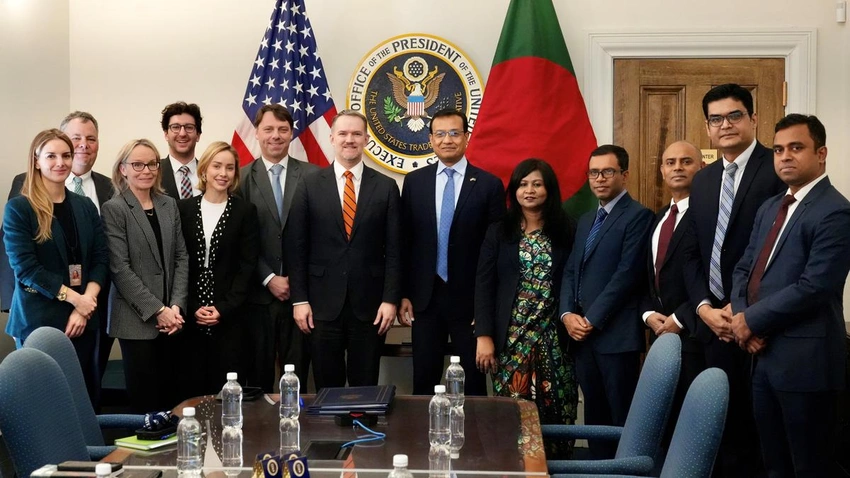
Bangladesh and the United States sealed a reciprocal tariff agreement that trims US duties on Bangladeshi exports to 19% from 20%, a move Dhaka says will shield jobs and deepen the textile link with the US. The pact was signed on Monday night, with Bangladesh’s Commerce Adviser Sheikh Bashir Uddin and National Security Adviser Khalilur Rahman on the Dhaka side, and US Ambassador Jamieson Greer and the US Trade Representative on the American side. Greer lauded the negotiations, saying the agreement would strengthen Bangladesh’s position in US trade policy.
Muhammad Yunus, the chief adviser heading Bangladesh’s interim government, described the deal as a major step toward protecting jobs and strengthening Bangladesh’s position in the global textile supply chain. Ready-made garments remain a key export, and supporters say the smaller tariff cut could help Bangladeshi firms compete more effectively in the US market.
The signing comes days before Bangladesh goes to the polls scheduled for February 12, adding political significance to trade moves that are closely watched by workers and manufacturers alike. In parallel, India has moved ahead with its own deal with the United States, with Indian exports now facing tariffs pegged at 18%, a benchmark cited in comparisons across South Asia.
Analysts say the twin pacts reflect Washington’s strategy to diversify export destinations while bolstering the textile sectors of both countries, highlighting the growing importance of garments in the region’s trade dynamics.
