Our Digital Lives, Our Climate Cost: Unmasking Data Center Impact

Our Digital Lives, Our Climate Cost: Unmasking Data Center Impact
Your online world runs on data centers, but their hidden environmental impact is huge. Climate groups are pushing back, revealing the real cost to our atmosphere and local communities.
Our lives are increasingly digital, from streaming movies to running complex AI models. But have you ever stopped to think about the physical infrastructure powering all of that? I'm talking about data centers, and they're at the heart of a growing climate reckoning.
While many focus on local impacts like water use or noise pollution, the real story for our planet is far more complex and urgent.
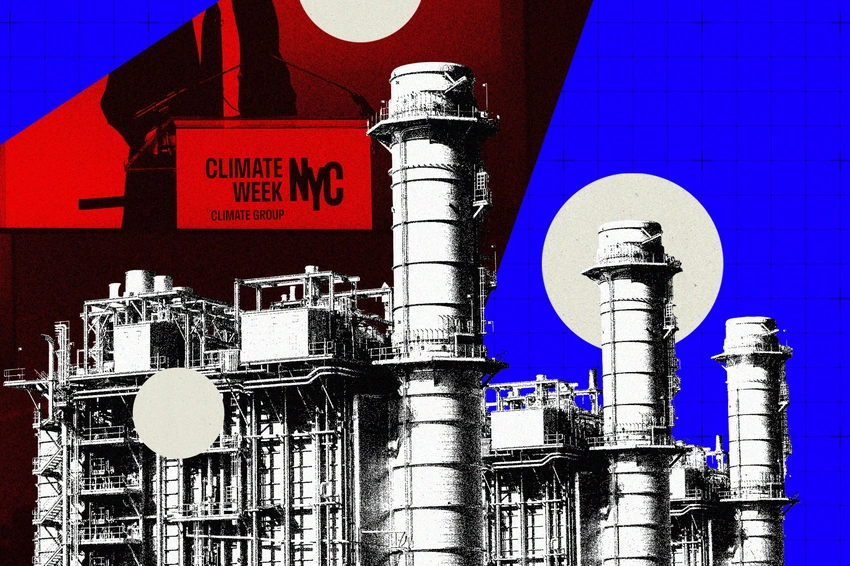
At a recent Climate Week panel, things got heated-literally. Protesters from Extinction Rebellion NYC repeatedly interrupted tech executives, shouting about 'fracked gas' and the broader harms of AI.
They're a microcosm of the intense pressure facing the data center industry.
Public opinion is hitting rock bottom, and moratoriums are popping up across states, from red to blue.
It's easy to see why tech leaders like Cully Cavness, cofounder and president of Crusoe, felt frustrated. He even suggested protesters likely didn't live near a data center or understand their local tax benefits. Varun Sivaram of Emerald AI urged that data centers could be 'good citizens,' helping the grid with clean energy.
He warned that rejecting them might mean missing out on partners for energy transformation.
These executives are fighting a perception battle, but the core issue often gets lost in the noise.
The Climate Disconnect
Here's the kicker: for most people, climate change isn't the first thing that comes to mind when they think about data centers' environmental impact. Poll after poll shows that voters are far more concerned with local issues—water scarcity, energy bills, and air or noise pollution—than with the facilities' contribution to the atmosphere.
Even within the climate movement, there's a disconnect. While groups like Extinction Rebellion NYC are pushing the climate agenda, many climate investors, as one told the Wall Street Journal, focus primarily on the 'energy system' as a whole, rather than singling out data centers' specific atmospheric footprint. They might see 'AI and data center week' as 'all about energy,' but that broad focus can obscure the direct climate cost.
William Lawrence, an original founder of the Sunrise Movement and now a congressional candidate for Michigan’s 7th district, is one of the few making data center opposition, alongside AI, a cornerstone of his platform. This signals a shift, but it’s still an uphill battle to link your daily scroll to global warming in the public's mind.
Why Should We Care About the Climate Impact?
Data centers are colossal energy consumers, and as our digital demands skyrocket, especially with the rise of AI, this consumption is only going to grow.
If this energy continues to be sourced from fossil fuels, their carbon footprint will expand exponentially.
The 'fracked gas' protester wasn't wrong to yell; it's a critical point.
We're at a crossroads. We can continue to let local concerns dominate the conversation, or we can expand our view to include the urgent climate implications. The facilities that power our digital lives have an undeniable impact on our atmosphere.
It's time to bridge the gap between local environmental battles and the global climate crisis.
“Careful what you wish for,” Varun Sivaram once cautioned protesters, implying that shunning data centers might block progress. But perhaps we should be more careful about what we wish for in terms of our digital future, ensuring it aligns with our planetary needs.
What's Next for Our Digital Planet?
The debate is just heating up.
As citizens, consumers, and innovators, we have a responsibility to push for transparent, sustainable solutions for our digital infrastructure.
Can we demand cleaner energy sources, more efficient designs, and greater accountability from the tech giants powering our world?
The answer will define not just our online experience, but the future of our climate.
