SC Upholds Bail for UAPA Accused, Cites Trial Delays and Right to Life

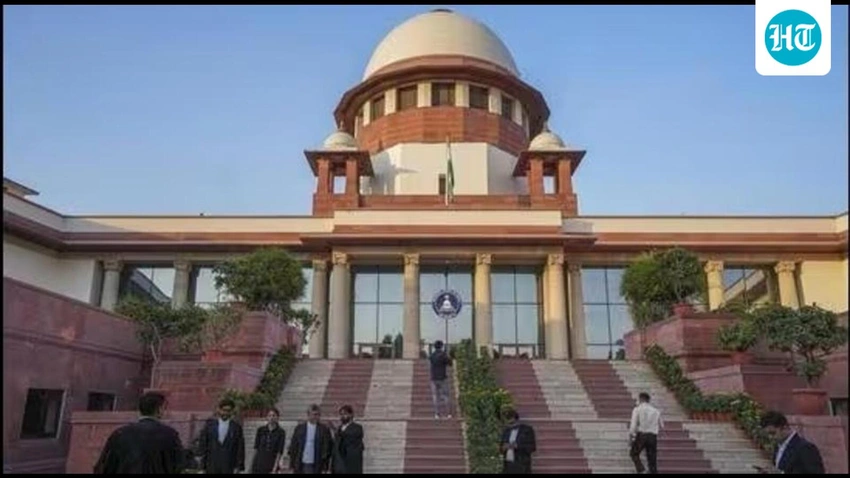
SC Upholds Bail for UAPA Accused, Cites Trial Delays and Right to Life
The Supreme Court confirms bail for a man in the 2010 Kerala professor attack case, ruling that trial delays violate fundamental constitutional rights.
The Supreme Court of India has made a significant ruling by upholding the bail granted to K.A. Najeeb, an accused booked under the stringent Unlawful Activities (Prevention) Act (UAPA). The case stems from a 2010 incident involving a brutal attack on Professor T.J. Joseph in Kerala. The professor's hand was chopped off following a controversy over a question in a Malayalam exam paper that was deemed objectionable by certain groups.
Najeeb, allegedly a member of the Popular Front of India (PFI), was accused of being part of the group that ambushed the professor. While the charges against him are serious, the Supreme Court's decision focused on a fundamental legal principle: the right to a speedy trial. Justice Surya Kant, writing for the Bench led by Justice N.V. Ramana, highlighted that Najeeb had already spent over five years in jail as an undertrial.
The court pointed out a major hurdle in the judicial process: the National Investigation Agency (NIA) still has a staggering list of 276 witnesses to examine. With charges only framed in late 2020, the Supreme Court noted that the trial was unlikely to conclude in the near future. The judges emphasized that no matter how strict a law might be, it cannot be used to justify keeping someone in prison indefinitely without a resolution to their case.
According to the judgment, a prolonged trial that forces a person to languish in jail violates the right to life and dignity guaranteed under Article 21 of the Constitution. The court reasoned that while UAPA generally makes bail difficult to obtain, it does not override the constitutional protection of a speedy trial. This decision marks a pivotal moment in balancing national security laws with individual civil liberties, ensuring that the process of law does not itself become a punishment.
['#SupremeCourt', '#UAPA', '#SpeedyJustice']
