GBBC 2026: North Coastal Andhra records strong bird tally

GBBC 2026: North Coastal Andhra records strong bird tally
Citizen scientists across Visakhapatnam, Vizianagaram and Srikakulam logged wetlands, campuses and estuaries for four days, revealing Andhra Pradesh's rich bird diversity.
The Great Backyard Bird Count (GBBC) 2026 has emerged as one of India’s most reliable citizen science exercises, with birders across the country contributing four days of observations that feed into a global dataset. The latest edition documented 1087 species worldwide, and India finished second, underscoring the country’s growing engagement with wintering migratory birds and urban biodiversity. Within this national picture, Andhra Pradesh offered a revealing cross‑section of habitats, from the dry tracts of Rayalaseema to the estuaries of the north coastal districts.
The state recorded 319 species in total, highlighting how geography shapes the checklist. District‑level data show Chittoor leading with 203 species, followed by Anantapur with 165. In the north Andhra region, Vizianagaram logged 141 species and Visakhapatnam 133, while Srikakulam remains ecologically significant for its network of estuaries and coastal wetlands. All numbers reflect four days of disciplined observation uploaded by amateur birders and seasoned enthusiasts and verified through the eBird platform. For researchers, the dataset provides a seasonal snapshot of winter migrants before their northward departure.
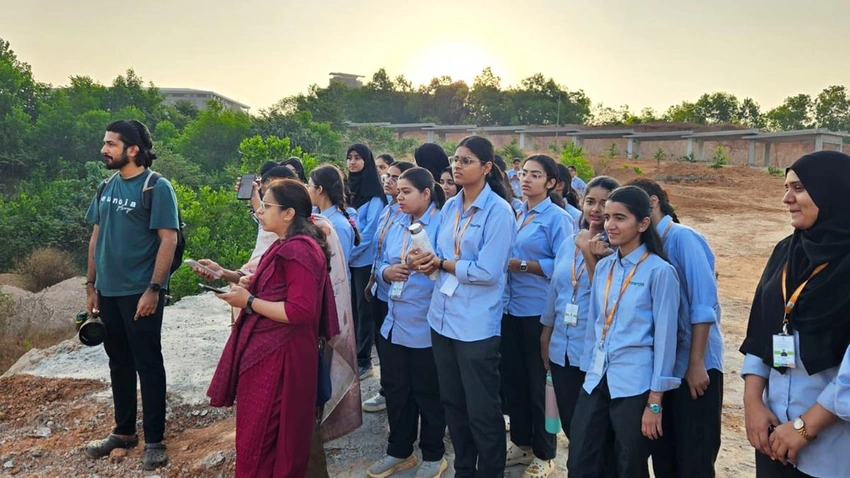
Urban refuges also featured prominently in this year’s tallies. In Visakhapatnam, the Green Poet Society of GITAM (Deemed to be University) documented 43 species within the university grounds, showcasing how campuses can serve as vital green refuges amid bustling urban life, including sightings like the orange-headed thrush among others.
The GBBC results underscore the collaborative power of citizen science: volunteers across diverse landscapes contribute to a global picture of biodiversity, helping researchers monitor migratory patterns, habitat use and the health of wetlands and estuaries. With four days of careful observations feeding into a shared database, communities from cities to campuses are widening our understanding of India’s avian diversity and its resilience in changing environments.
