Parliament Pushes Women's Reservation Bill Ahead of 2029 Elections

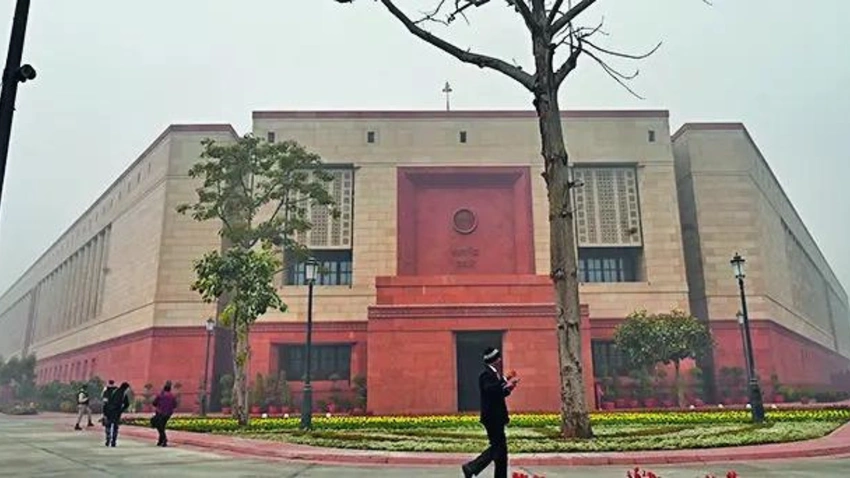
Parliament Pushes Women's Reservation Bill Ahead of 2029 Elections
Parliament's three-day session aims to implement the 33% women's quota and raise Lok Sabha seats, with implementation tied to census data and delimitation.
The budget session of Parliament has been extended by three days as the government moves to implement the Nari Shakti Vandan Adhiniyam (Women’s Empowerment Act) Amendment Bill. The three-day special sitting is aimed at pushing the implementation of the bill based on the 2011 census, with the current provisions suggesting the exercise could delay enforcement at least until the 2034 cycle if carried out after the 2027 census. The original amendment, passed in 2023, was kept in abeyance pending delimitation and census completion, but proponents seek to move ahead in this session.
Under the amendment, the government seeks to reserve one-third of Lok Sabha and state assembly seats for women, and to raise the Lok Sabha to 816 seats with 273 seats earmarked for women. If enacted, the first elections to apply the reservation would be in Uttar Pradesh, Punjab, Gujarat and Uttarakhand, ahead of the next census.
Passage of the bill will require a special majority — a majority of all the members of the House and a two-thirds majority of those present and voting. Prime Minister Narendra Modi has urged parties to support the legislation for a unanimous passage next week, aiming for implementation ahead of the 2029 elections. Opposition voices, led by the Congress, have questioned the timing and motives of the move while signaling a demand for a transparent process.
The Times of India reports Modi’s letter to party floor leaders seeking swift, broad support for the women’s quota bills, while The Hindu notes his call for unity in Parliament to pass the amendments in the upcoming sittings.
