Afghanistan floods kill at least 22 as rains lash central provinces

Afghanistan floods kill at least 22 as rains lash central provinces
Heavy rains trigger floods and landslides across Afghan provinces, killing and displacing people while authorities warn of more bad weather.
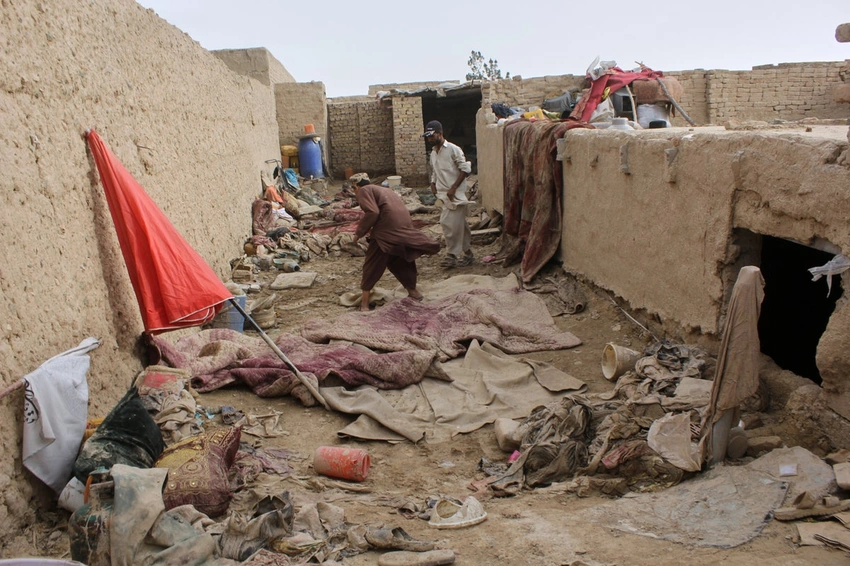
At least 22 people have died in Afghanistan over the past two days as heavy rains unleashed floods and landslides across 13 provinces. Officials say 32 people have been injured and more than 241 homes damaged in the deluge. Torrential rains triggered major flash floods and caused houses to collapse in rural and mountainous regions of central and eastern Afghanistan, with the heaviest losses reported in Parwan, Maidan Wardak, Daykundi and Logar. The National Disaster Management Authority warned that conditions remain unstable in parts of the country as the weather system persists, raising the risk of further rain and flooding in affected areas.
The floods have already disrupted transportation, with several highways closed as authorities scramble to reach affected communities. Experts point to a combination of climate-change-driven extreme weather, ongoing infrastructure challenges and decades of conflict that have left vulnerable areas ill-prepared to cope with such disasters. The impact is felt most acutely in remote towns and villages where homes are densely packed on unstable slopes or floodplains, making rescue and relief efforts slower and more dangerous.
As responders distribute relief supplies and search for those missing, authorities reported a rising death toll in subsequent updates. Later figures indicated the toll had increased to 28, with 49 people injured, underscoring the scale of the disaster and the continued threat from unsettled weather across central and eastern Afghanistan. Families face displacement, with shelters and temporary camps overwhelmed by further rain and the risk of renewed flooding.
In the face of mounting devastation, local communities are calling for rapid humanitarian aid, better early-warning systems, and more durable protection against future floods. While aid groups mobilize to deliver essentials such as food, water, and clothing, residents brace for more adverse weather as the crisis continues to unfold across multiple provinces.
